Kathmandu Pokhara Chitwan Tour: A Trip of a Lifetime
- Uncategorized
- Basantapur Durbar Square, DIY hiking backpack guide, Kathmandu, Kathmandu Pokhara Chitwan Tour, UNESCO Heritage Sites
The Kathmandu–Pokhara–Chitwan tour is a truly unique journey, and experiencing it with Nepal Tours makes it even more special. This carefully designed tour brings together Nepal’s most iconic highlights in one seamless experience—ancient heritage in Kathmandu, breathtaking Himalayan scenery in Pokhara, and thrilling wildlife encounters in Chitwan.
With expert local guides, personalized service, and well-planned itineraries, nepaltour.info ensures travelers enjoy authentic cultural experiences, comfortable travel, and insider access to Nepal’s hidden gems.
From UNESCO World Heritage sites and serene lakes to jungle safaris in Chitwan National Park, this tour offers the perfect balance of culture, nature, adventure, and relaxation—all delivered with local expertise and genuine Nepali hospitality.
Unique Things About the Kathmandu–Pokhara–Chitwan Tour
-
Three Worlds in One Journey
Experience Nepal’s cultural heart (Kathmandu), natural beauty and Himalayan views (Pokhara), and rich wildlife (Chitwan) in a single, well-balanced tour. -
UNESCO World Heritage Sites
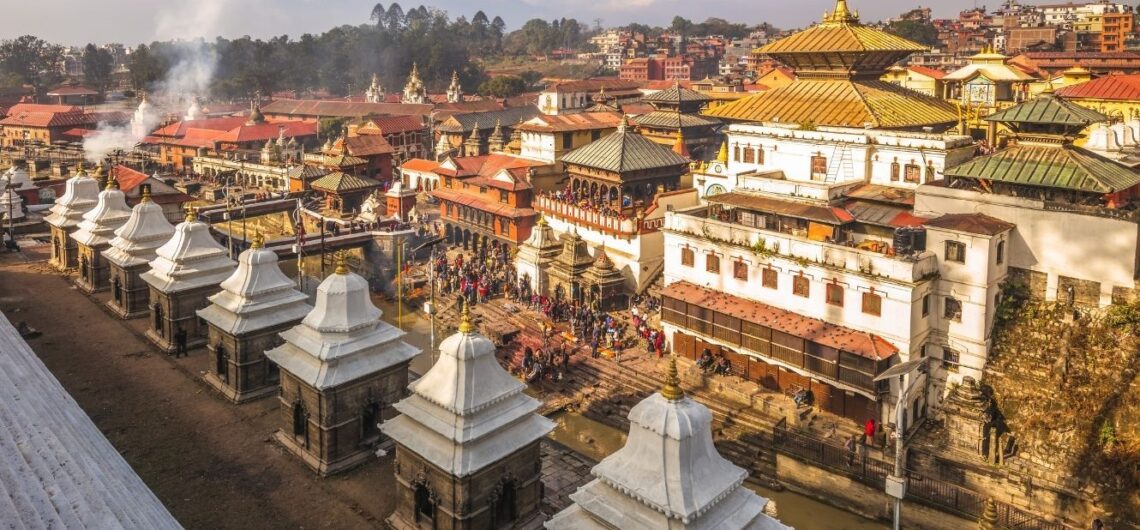
Explore ancient temples, palaces, and stupas in Kathmandu Valley, showcasing centuries of history, art, and spiritual traditions. -
Spectacular Himalayan Scenery
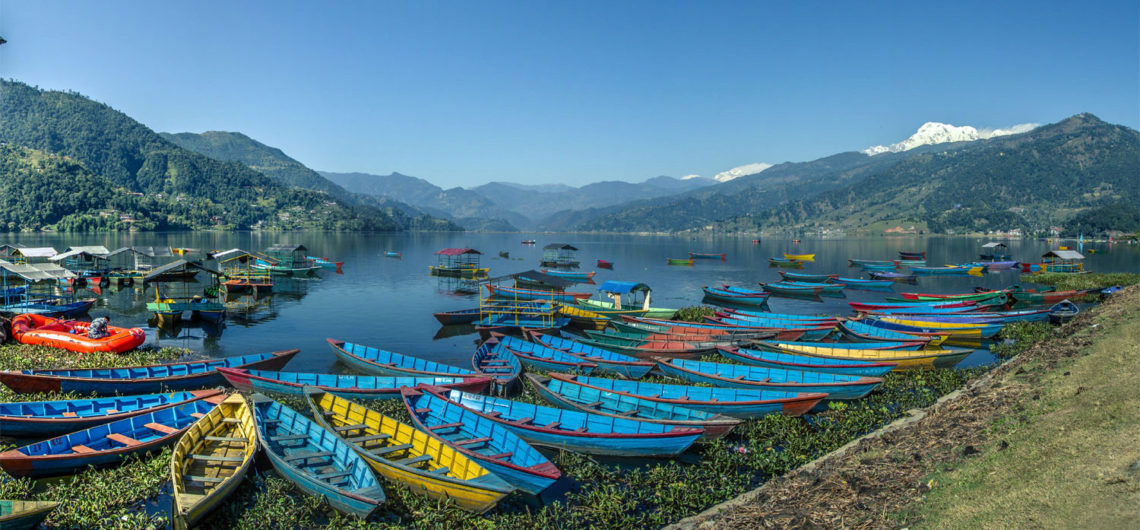
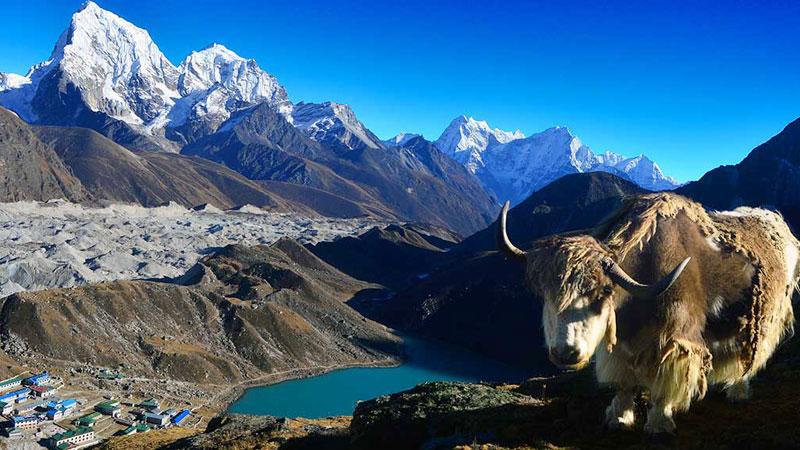
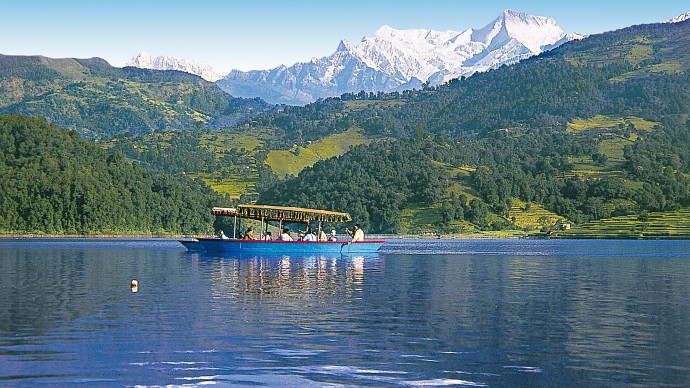
Wake up to panoramic views of the Annapurna range in Pokhara, with snow-capped peaks reflected in serene lakes. -
Wildlife Safari Experience
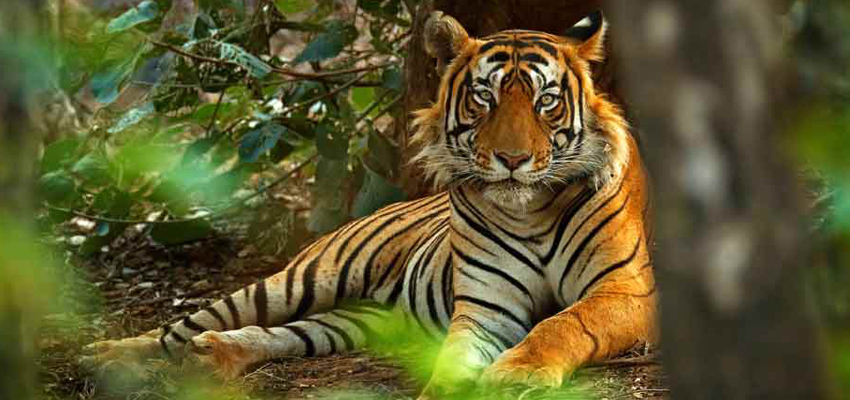
Enjoy jungle safaris in Chitwan National Park, home to one-horned rhinos, Bengal tigers, crocodiles, elephants, and rare bird species. -
Cultural Encounters
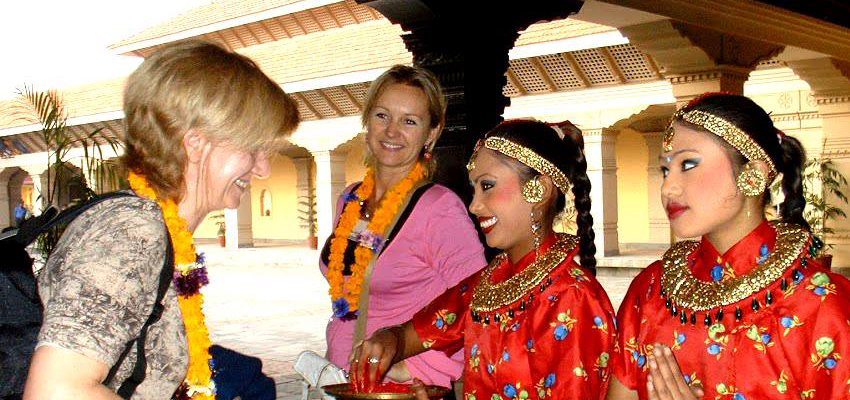
Witness traditional Nepali village life, Tharu culture in Chitwan, and colorful rituals and festivals along the way. -
Adventure & Relaxation Combined
From boating, paragliding, and hiking in Pokhara to peaceful nature walks and canoeing in Chitwan, the tour perfectly blends excitement with calm. -
Spiritual & Natural Harmony
Visit sacred temples and monasteries set against dramatic natural landscapes, offering both inner peace and visual beauty.
Kathmandu: City of Temples
Your first stop will be Kathmandu, the capital city of Nepal, a real metropolis that stands at its historic, cultural and religious centre. The first thing you can do here is taking a guided UNESCO World Heritage tour of the city. These places of worship are spectacular, and you’ll get the chance to understand a new culture.
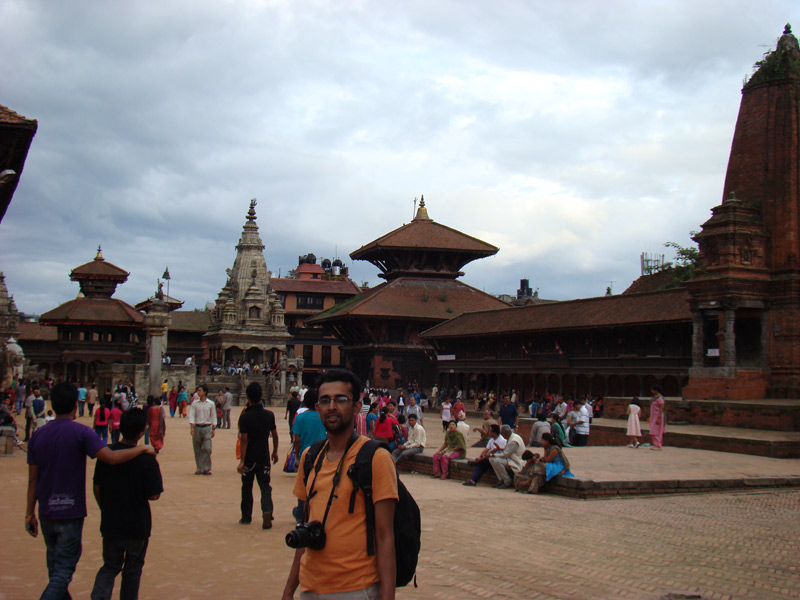 The Nepalese cuisine is extremely aromatic and rather different from Western cuisine, so you’ll see the best hidden locations with the most delicious treats.
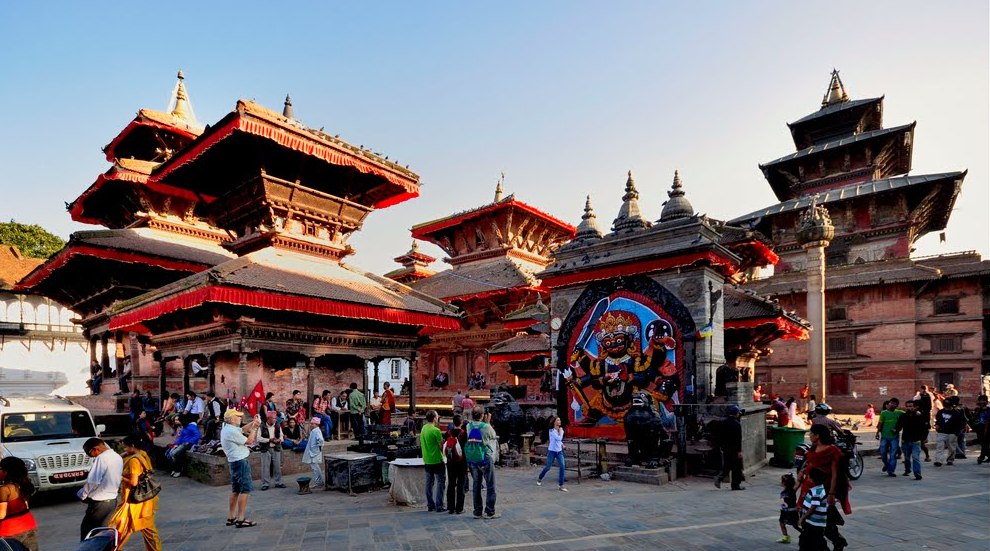
There are also plenty of UNESCO World Heritage Sites that weave their way out of a rich historical and cultural past. One of these is the Basantapur Durbar Square that’s famous for its traditional architecture. Besides, you can get a glimpse into the past of the Nepalese monarchy here and learn more about it.
The Boudhanath is another UNESCO Heritage Site since it has roots that stretch over into Antiquity. This is now a place for spiritual meditation, and it’s also one of the last remaining Stupas, but it was a Tibetan trade route for millennia.
And all these sites can easily be visited either by foot or with a more original bicycle rickshaw. Besides, Kathmandu is a very bike-friendly city, so you can rent one for yourself.
Pokhara: Jewel of the Himalaya
Moving on to another ancient trading route that connected Tibet to India, Pokhara offers a lot of interesting views and activities. One of them would be to enjoy watching the mule trains that continue the trading tradition, but that is just the beginning.
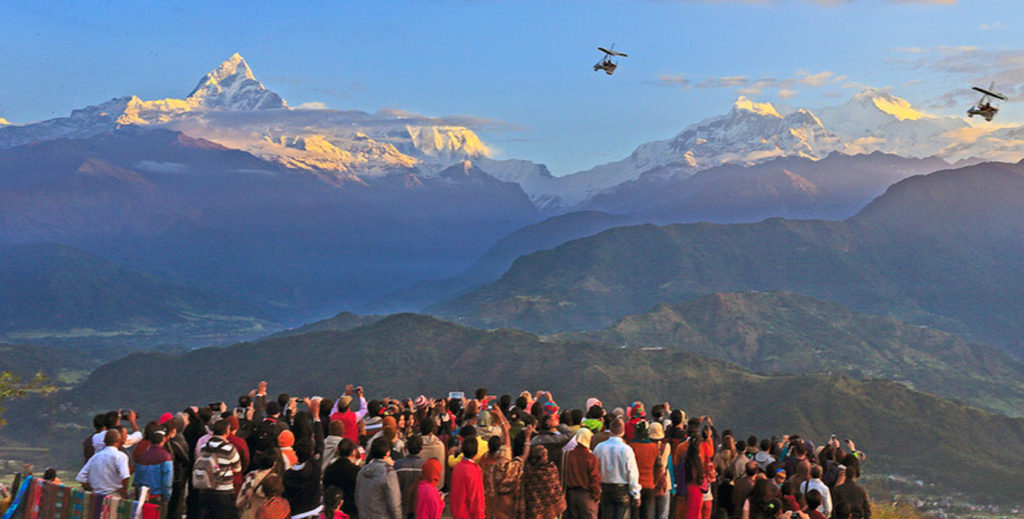
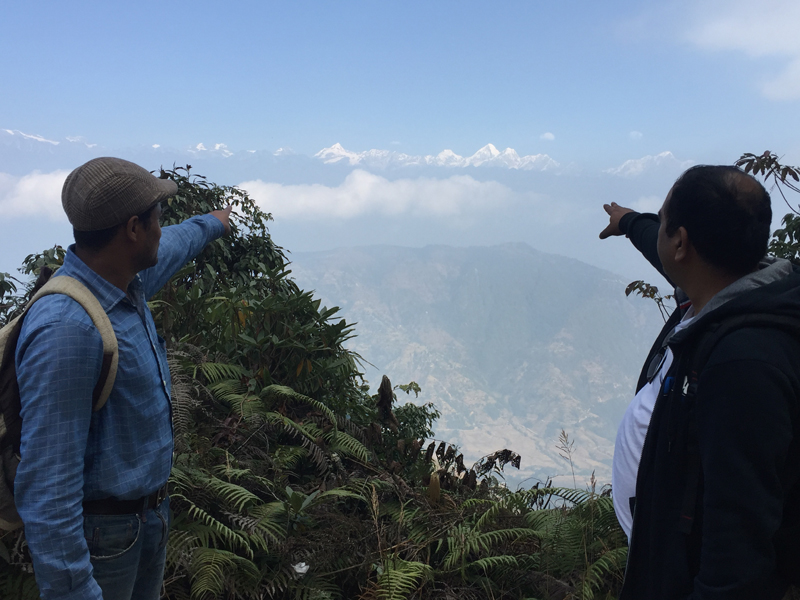
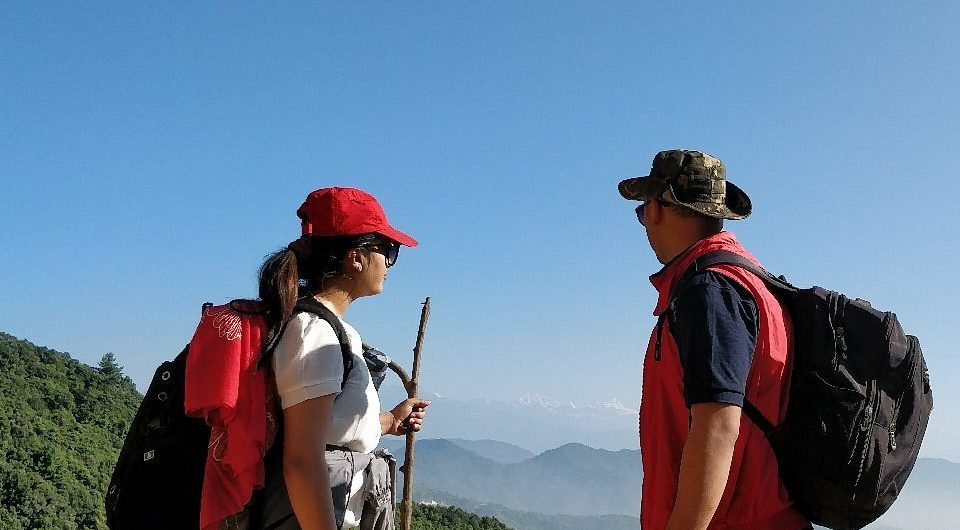
The mountain scenery is simply stupendous. Annapurna can be admired from here, with its high summits and snow-capped peaks. If you like, you can also use Pokhara as a starting point for exploring Annapurna and embarking on a rugged hike through the Himalayas.
But however magnificent that may sound, the mountains aren’t the only highlight here. The lakes are stunning too, with Phewa Lake being one of the largest in the area, resembling a huge, crystal-blue bowl of water. The cherry on the cake is definitely a visit to the temple located on the lake.
Rupa and Begnas Lakes are equally amazing, and they lie directly along the road when driving from Kathmandu. A forest stretches between them, offering opportunities for hiking. This natural retreat bursts with tranquillity, though you can also enjoy boating here.
Don’t forget the impressive Devi’s Falls, which the Nepalese call Hell’s Fall for a good reason. The water tumbles down with such force that legend says it once carried a man into the other world. If you’re in the area, Mahendra Gupha is also a must-see—a huge limestone cave filled with impressive stalactites and stalagmites.
Besides all this, Pokhara also radiates spirituality. Be sure to visit the Bindhabasini and Barahi temples, which are important representatives of their religions. You may even witness believers carrying animals across Phewa Lake to the Barahi Temple to sacrifice them to the goddess Ajima.
Chitwan: Diverse range of wildlife
Chitwan is a true paradise for wildlife lovers, offering one of the most diverse ecosystems in Nepal. The renowned Chitwan National Park is home to an extraordinary variety of animals, including the endangered one-horned rhinoceros, Bengal tigers, leopards, wild elephants, and sloth bears.
Its lush grasslands, dense forests, and winding rivers also provide shelter to hundreds of bird species, making it a dream destination for birdwatchers. Whether exploring the park on a jungle safari, a canoe ride along the Rapti River, or a guided nature walk, visitors are immersed in a vibrant natural world where wildlife thrives in its purest form.
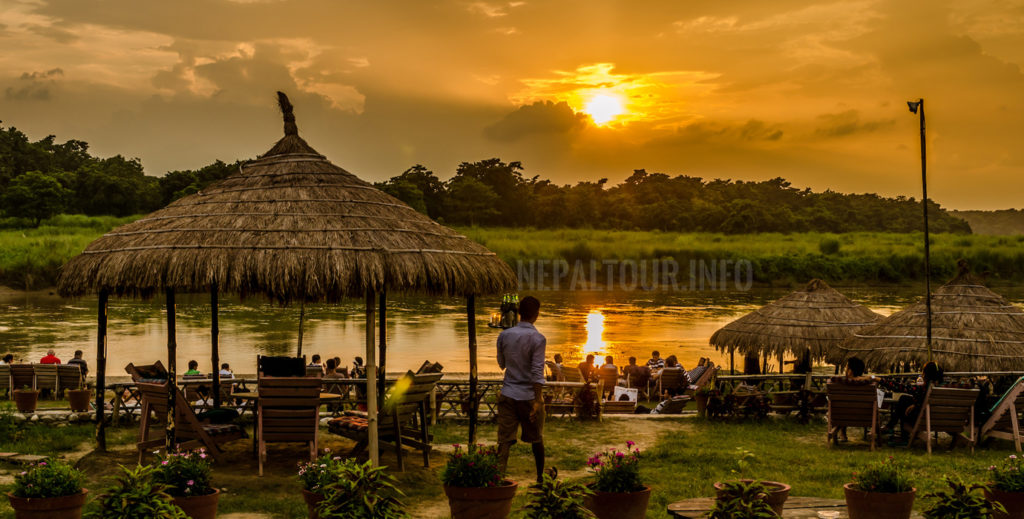
The National Park Headquarters located on the Rapti River bank also provides various safari opportunities. Now you’ll get to admire the exotic Nepalese jungle and the animals that live here, like fierce crocodiles and placable hippos.
And don’t forget about the cultural side of Chitwan. The Tharu Cultural Museum is perfect for getting more acquainted with the Tharu culture. There are plenty of exhibits regarding the traditional wear, ornaments, as well as vibrant murals.
The Tharus are an indigenous people who see themselves as sons of the forest, so their spirituality is closely linked to nature and the forest as well.