The Kathmandu–Pokhara–Chitwan tour is a truly unique journey, and experiencing it with Nepal Tours makes it even more special. This carefully designed tour brings together Nepal’s most iconic highlights in one seamless experience—ancient heritage in Kathmandu, breathtaking Himalayan scenery in Pokhara, and thrilling wildlife encounters in Chitwan.

With expert local guides, personalized service, and well-planned itineraries, nepaltour.info ensures travelers enjoy authentic cultural experiences, comfortable travel, and insider access to Nepal’s hidden gems.

From UNESCO World Heritage sites and serene lakes to jungle safaris in Chitwan National Park, this tour offers the perfect balance of culture, nature, adventure, and relaxation—all delivered with local expertise and genuine Nepali hospitality.

Unique Things About the Kathmandu–Pokhara–Chitwan Tour

  • Three Worlds in One Journey
    Experience Nepal’s cultural heart (Kathmandu), natural beauty and Himalayan views (Pokhara), and rich wildlife (Chitwan) in a single, well-balanced tour.

  • UNESCO World Heritage Sites
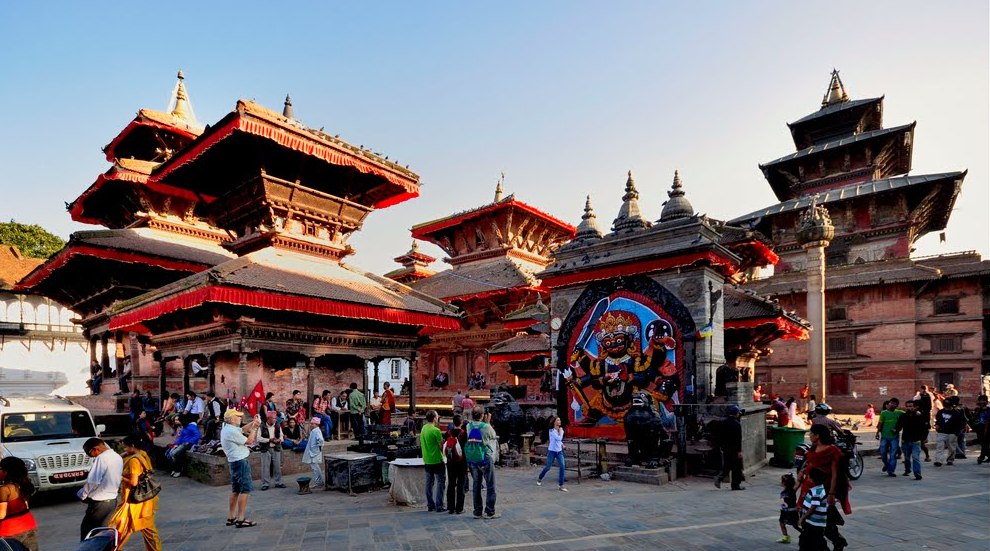
    Explore ancient temples, palaces, and stupas in Kathmandu Valley, showcasing centuries of history, art, and spiritual traditions.

  • Spectacular Himalayan Scenery
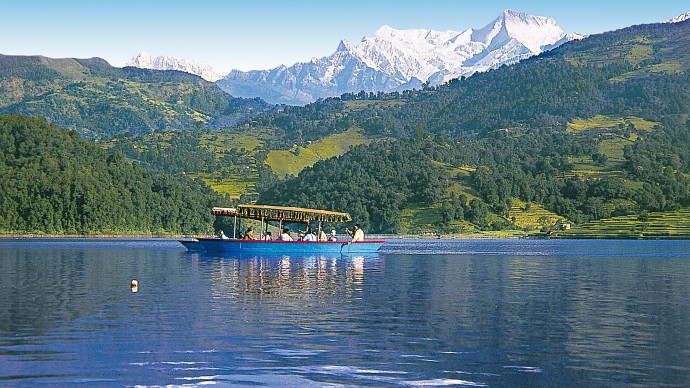
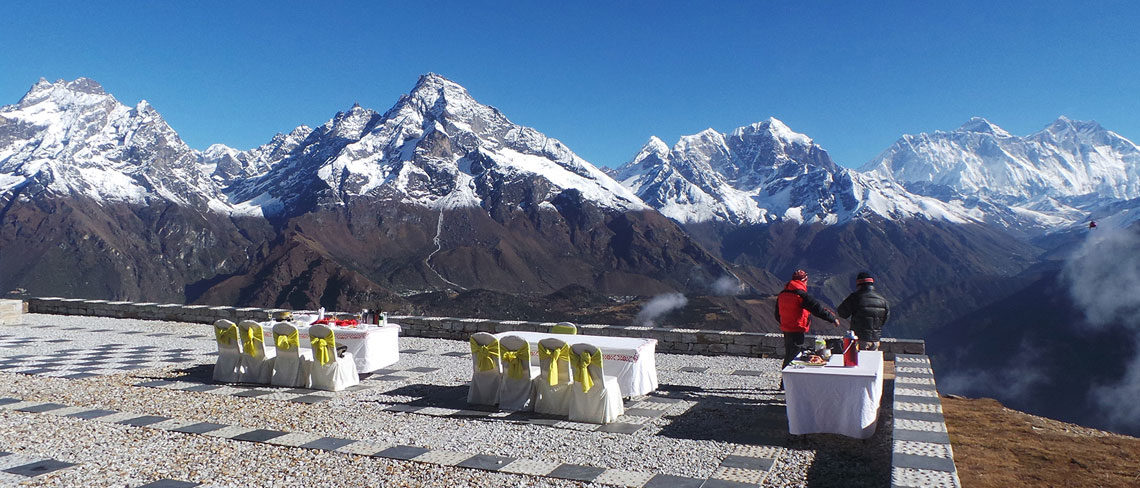
    Wake up to panoramic views of the Annapurna range in Pokhara, with snow-capped peaks reflected in serene lakes.

  • Wildlife Safari Experience
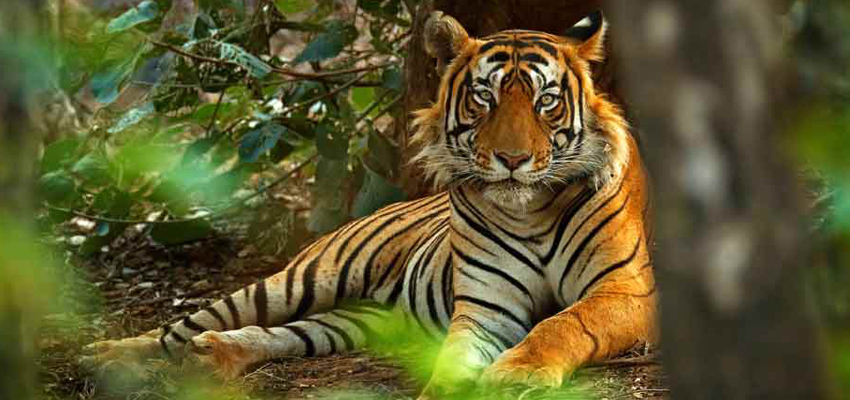
    Enjoy jungle safaris in Chitwan National Park, home to one-horned rhinos, Bengal tigers, crocodiles, elephants, and rare bird species.

  • Cultural Encounters
    Witness traditional Nepali village life, Tharu culture in Chitwan, and colorful rituals and festivals along the way.

  • Adventure & Relaxation Combined
    From boating, paragliding, and hiking in Pokhara to peaceful nature walks and canoeing in Chitwan, the tour perfectly blends excitement with calm.

  • Spiritual & Natural Harmony
    Visit sacred temples and monasteries set against dramatic natural landscapes, offering both inner peace and visual beauty.

Kathmandu: City of Temples

Your first stop will be Kathmandu, the capital city of Nepal, a real metropolis that stands at its historic, cultural and religious centre. The first thing you can do here is taking a guided UNESCO World Heritage tour of the city. These places of worship are spectacular, and you’ll get the chance to understand a new culture.
The Nepalese cuisine is extremely aromatic and rather different from Western cuisine, so you’ll see the best hidden locations with the most delicious treats.

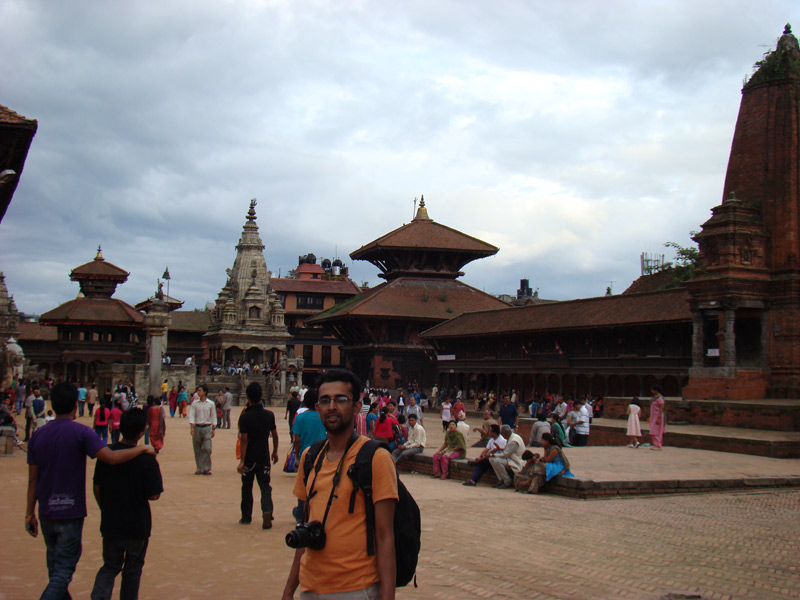
There are also plenty of UNESCO World Heritage Sites that weave their way out of a rich historical and cultural past. One of these is the Basantapur Durbar Square that’s famous for its traditional architecture. Besides, you can get a glimpse into the past of the Nepalese monarchy here and learn more about it.

The Boudhanath is another UNESCO Heritage Site since it has roots that stretch over into Antiquity. This is now a place for spiritual meditation, and it’s also one of the last remaining Stupas, but it was a Tibetan trade route for millennia.

And all these sites can easily be visited either by foot or with a more original bicycle rickshaw. Besides, Kathmandu is a very bike-friendly city, so you can rent one for yourself.

Pokhara: Jewel of the Himalaya

Moving on to another ancient trading route that connected Tibet to India, Pokhara offers a lot of interesting views and activities. One of them would be to enjoy watching the mule trains that continue the trading tradition, but that is just the beginning.
Short Hikes Pokhara

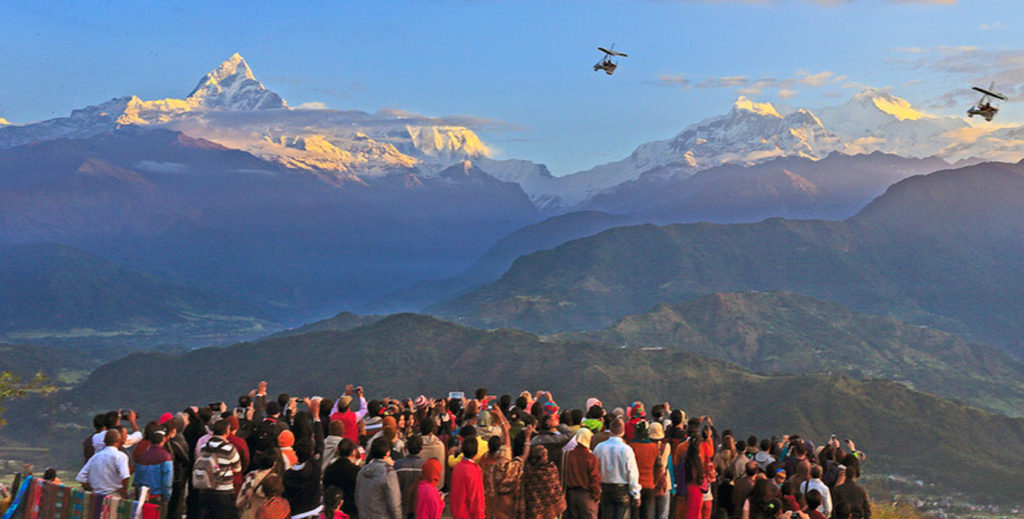
The mountain scenery is simply stupendous. Annapurna can be admired from here, with its high summits and snow-capped peaks. If you like, you can also use Pokhara as a starting point for exploring Annapurna and embarking on a rugged hike through the Himalayas.

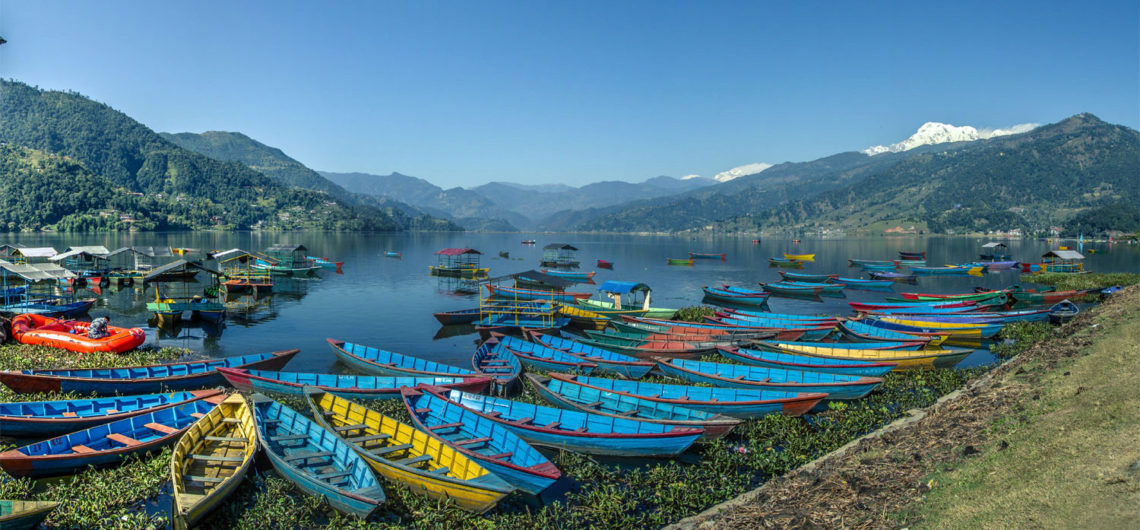
But however magnificent that may sound, the mountains aren’t the only highlight here. The lakes are stunning too, with Phewa Lake being one of the largest in the area, resembling a huge, crystal-blue bowl of water. The cherry on the cake is definitely a visit to the temple located on the lake.

Rupa and Begnas Lakes are equally amazing, and they lie directly along the road when driving from Kathmandu. A forest stretches between them, offering opportunities for hiking. This natural retreat bursts with tranquillity, though you can also enjoy boating here.

Don’t forget the impressive Devi’s Falls, which the Nepalese call Hell’s Fall for a good reason. The water tumbles down with such force that legend says it once carried a man into the other world. If you’re in the area, Mahendra Gupha is also a must-see—a huge limestone cave filled with impressive stalactites and stalagmites.

Besides all this, Pokhara also radiates spirituality. Be sure to visit the Bindhabasini and Barahi temples, which are important representatives of their religions. You may even witness believers carrying animals across Phewa Lake to the Barahi Temple to sacrifice them to the goddess Ajima.

Chitwan: Diverse range of wildlife

Chitwan is a true paradise for wildlife lovers, offering one of the most diverse ecosystems in Nepal. The renowned Chitwan National Park is home to an extraordinary variety of animals, including the endangered one-horned rhinoceros, Bengal tigers, leopards, wild elephants, and sloth bears.

Its lush grasslands, dense forests, and winding rivers also provide shelter to hundreds of bird species, making it a dream destination for birdwatchers. Whether exploring the park on a jungle safari, a canoe ride along the Rapti River, or a guided nature walk, visitors are immersed in a vibrant natural world where wildlife thrives in its purest form.
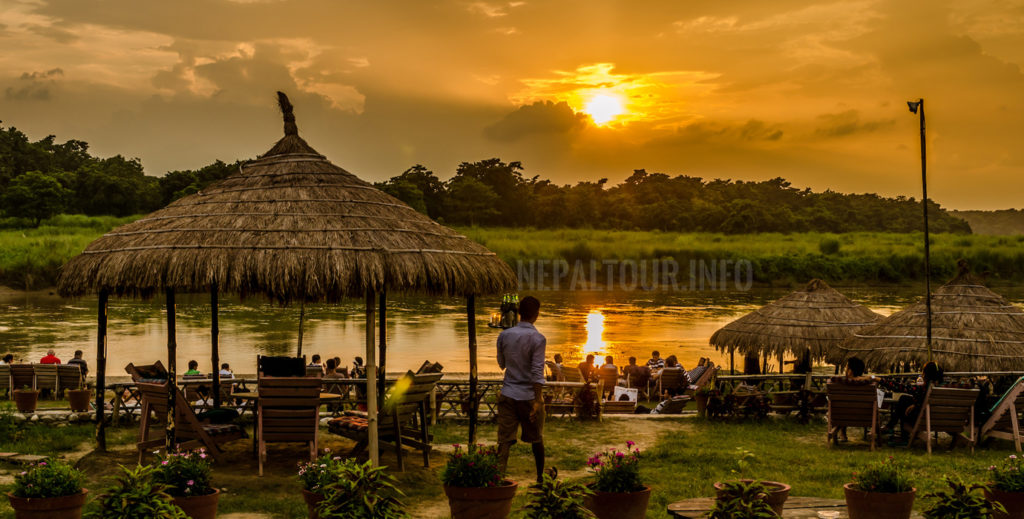
Chitwan Jungle Safari Tour

The National Park Headquarters located on the Rapti River bank also provides various safari opportunities. Now you’ll get to admire the exotic Nepalese jungle and the animals that live here, like fierce crocodiles and placable hippos.

And don’t forget about the cultural side of Chitwan. The Tharu Cultural Museum is perfect for getting more acquainted with the Tharu culture. There are plenty of exhibits regarding the traditional wear, ornaments, as well as vibrant murals.

The Tharus are an indigenous people who see themselves as sons of the forest, so their spirituality is closely linked to nature and the forest as well.
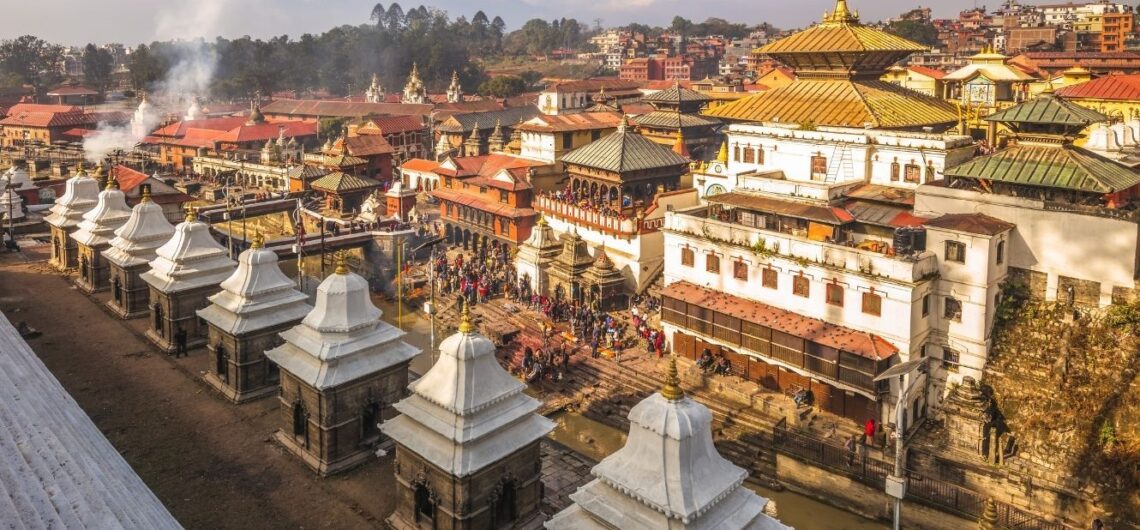
 

Nepal tour packages are delightful of surprises and exploration of the vast expanses of the Himalayan Mountains and green valleys. It gives you a chance to experience the holistic and divinity of the nation which is full of serenity and peace.

Nepal tourism attracts millions of tourists every year. This land of Hinduism and Buddhism, houses hundred of majestic temples and monasteries. The stunning landscapes of Nepal, surrounded by the great Himalayas are truly a sight to visit.

Nepal Tour from Chennai, Bangalore & Kerala provide an opportunity to explore. This mystic land known around the world for its majestic peaks, dense forests and spiritual wonders. The best part is that this foreign land can be visited by air as well as by road from India.

Nepal is blessed with some of the best tourist spots in Asia. This country attracts millions of travelers every year like adventure seekers, pilgrims and travelers intrigued by mighty Himalayas. A trip to this majestic land can be a cultural eye opener or a life changing experience.

The country offers some of the best historical and cultural tourist spots like oldest temples and monuments worth a visit. Following are the important tourist spots you must visit during your trip to Nepal from Chennai, Bangalore & Kerala.

If you are traveling from Chennai, Bangalore & Kerala.  Here are some beautiful Nepal packages:

Kathmandu Itinerary 2 Night 3 Days

 1 Night Kathmandu, 1 Night Nagarkot
Sightseeing places are: Pashupatinath, Budhanilkantha, Boudhanath, Bhaktapur, Nagarkot

City 3 Star Hotel 4 Star Hotel 5 Star Hotel
Kathmandu Kasthamandap Boutique Hotel Manaslu Hotel Shangrila
Nagarkot Country Villa Country Villa Club Himalaya
Cost ( BB Basis)
 INR 16,500  INR 19,200 INR 23,500


Kathmandu Pokhara Itinerary: 04 Nights / 05 Days

2 Night Kathmandu, 2 Night Pokhara.
Sightseeing places are: Pashupatinath, Budhanilkantha, Boudhanath, Sarangkot, Phewa Lake, Davi’s Fall

City 3 Star Hotel 4 Star Hotel 5 Star Hotel
Kathmandu Kasthamandap Boutique Hotel Manaslu Hotel Shangrila
Pokhara Lakeside Retreat Lakeside Retreat Fishtail Lodge
Cost ( BB Basis)
INR 26,550 INR 31,200 INR 35,800

Kathmandu Pokhara Chitwan Itinerary : 07 Nights / 08 Days

2 Nights Kathmandu, 2 Nights Pokhara, 2 Nights Chitwan on full board.
Sightseeing places are: Kathmandu, Pokhara & Chitwan

City 3 Star Hotel 4 Star Hotel 5 Star Hotel
Kathmandu Kasthamandap Boutique Hotel Manaslu Hotel Shangrila
Pokhara Lakeside Retreat Lakeside Retreat Fishtail Lodge
Chitwan Centerpark Resort Park Safari Resort Kasara Resort
Cost ( BB Basis)
INR 32,550 INR 37,200 INR 45,800

Discover Muktinath by Jeep Rental

Discover Muktinath Jeep Rental is the easiest and the safest tour to Muktinath Temple.

A large number of people visit Muktinath temple every year because it is easy and affordable for all the level of people. People believe that once you visit Muktinath Temple and take bath there, then it carries away all your sins that you have done in your lifetime.

In this tour, you will explore the different places of Kathmandu and Muktinath Temple. A Kathmandu to Muktinath jeep tour, including transportation and a 5-day drive, typically costs around NRS 80,500 (approximately USD 570) for a group of 5-7 people

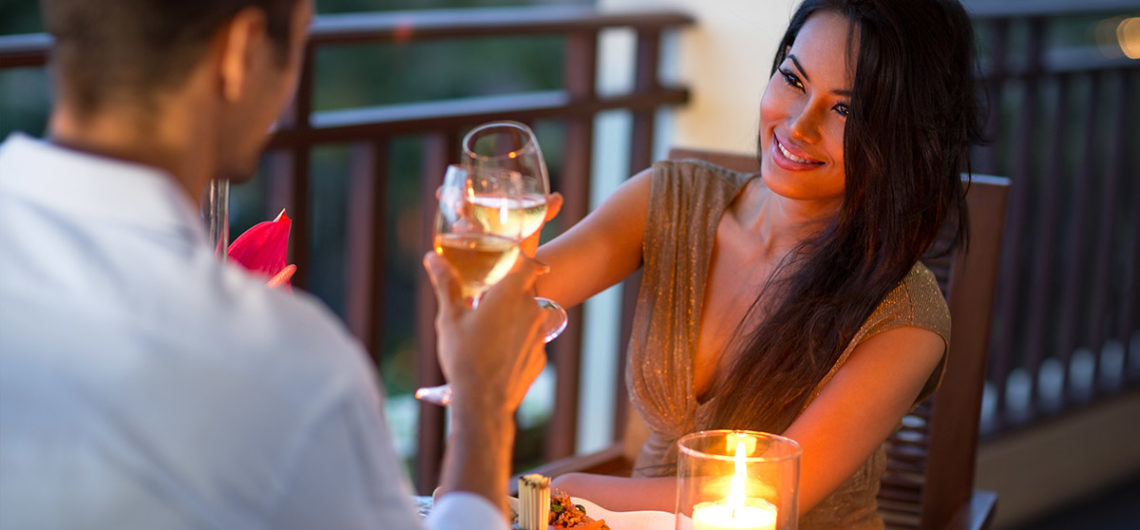
If you are a newly married couple, then we would like to welcome for Honeymoon Tour in Nepal. Choosing a holiday destination is always a hard task, and if you are searching for honeymoon vacation. Then you will find it more complicated to choose among different places.

This article will guide you to Nepal Honeymoon Packages with prices for a couple. Though Nepal is a landlocked country. Nepal is a country of mountains, and it is a prominent place to pay a visit for a comfortable and adventurous trip.Nepal is an amalgamation of multiple romantic features like mountain ranges, deep valleys, narrow walkways, and peaceful lakes. It is magical and mythical; spiritual and serene at the same time.

If you are recently married and you need a romantic places and scintillating destination to start your new life with your better half; Nepal couldn’t be any better destination to give you the flavor of beauty, culture, and diversity all served together as one with the Himalayas, undying cultural diversities, awesome lakes, and destinations, trekking places, the lovely monuments with ancient pagodas, the hills, villages, and all.

The dreamland will offer you the best of romantic moods, aura and spirits and will make your love bloom with full glory. Here we go with 05 handpicked places to go in Nepal for honeymoon.

Top 5 Honeymoon Places Nepal

Kathmandu

It’s the capital city of Nepal, and is so special for all the newly married couples, so spent your time in a liberal but culturally defined city. Here, couples can explore the city with temples , monuments, cultural heritages, ancient pagodas, and restaurants. Kathmandu, additionally, offers the possibility of encountering generally served Nepalese authentic food with so many appealing hotels.

Kathmandu Tour Package

Key attractions: Bird’s eye view of Mount Everest and Himalayan ranges in the mountain flight tour operated by local airlines, Pashupatinath temple, Boudhanath temple, Dakshin Kali temple, Kopan and Shechen monasteries, wildness and beauty of Langtang National Park, and the alluring and glittering nightlife at Casino Royale and Casino Anna

Best places to stay: Hotel Kathmandu Marriott, Hyatt Regency, Crowne Plaza, and Hilton Hotel

Best time to visit: September – November and February – April for Kathmandu visit, monsoons for picture-perfect Himalayas

Nagarkot:

Apart form all the cities, Nagarkot is a very famous place among many hilltop stations in Nepal – where you can spend you perfect honeymoon trip. It’s just 32km away from the capital Kathmandu, which is packed with hotels and restaurants. It is famous for sunrise and sunset views with possible views of Himalayas, too.

Langtang Mountain Range

Key attractions: View of the Mount Everest and Annapurna Range, view of the first rays of the Sun falling on the peaks of Himalayas at sunrise, and trekking along the winding tracks and thick woods

Best places to stay: Kavya Resort & Spa, Club Himalayan Resort, and Hotel Country Villa

Best time to visit: October – April; especially for the clear view of Mount Everest

Balthali

The small settlement of Balthali village (1,730m.) is standing on a plateau, just beyond Panauti above 40 Km away from Kathmandu. The village is situated at the junction of Roshi and Ladku rivers. This exceptional hamlet stands at an outstanding place of isolation and relaxation amidst a surround of typical Nepali countryside with terraced rice fields and ochre thatched farm houses.

With snowy peaks of Dorjee Lhakpa, Langtang and whole range of mountain rests clear and bright on the northern horizon. Whist the backyard is dominated by high hills of lush green Maharabharat Range. The region is thickly forested with luxuriant growth of various floras. Colorful rhododendron, Mangolia and Sal trees cover the hill that undulates and opens out to terrace fields.

Nature lovers and bird watchers can spend days exploring and discovering some exceptional species of wildlife, tradition and culture untouched by modernity. Many of the sacred and ancient temples and monasteries such as Namo Buddha, Indreshwar Mahadev Temple, Brahmayani Temple are located in this region.

Key attractions: View snowy peaks of Dorjee Lhakpa, Langtang and whole range of mountain rests clear and bright on the northern horizon

Best places to stay: Balthali Eco Hill Resort, Balthali Resort

Best time to visit: October – April; especially for the clear view of Mount Everest

Bandipur

This is the chance for making a thematic honeymoon. Let the first trip with your life partner be in and around the Newari culture at the fascinating and serene Bandipur in Nepal.

Key attractions: Romance topped with thrill at the Siddha Gufa, Annapurna short-circle trekking, jungle safari, and the serene silkworm farm

Best places to stay: Gaun Ghar, The Old Inn, Hotel Bandipur Organic Home

Best time to visit: March – May

Pokhara

The city of lakes – is one of the superb and enthralling places to visit in Nepal for honeymoon. For a newly married couple, Pokhara is a dreamland, with picture-perfect setting of Himalayan Range, lakes, deep valleys, and winding trek paths. The luxurious accommodation options make the place a paradise for honeymooners.

Begnas Lake
Begnas Lake

Key attractions: A view of the engrossing Annapurna Range, romantic boating at Phewa Tal (second largest lake of Nepal), marital bliss at the age-old Bhimsen Temple, and Phoenix Paragliding

Best places to stay: Fishtail Lodge, Waterfront Resort, Dorjes Resort

Best time to visit: March – May; for non-foggy and comfortable weather

Conclusion:

Do you think that the beautiful journey of your marriage should begin from a beautiful destination? Planning a surprise honeymoon is an ultimate romantic gesture, and the greatest gift you could ever give her/him. Nepal Tours introduces great Honeymoon Tour Package for Couples who wish to make their honeymoon the most beautiful and memorable event of their life.

There are so many fun  things to do in Pokhara I’d recommend staying for at least two days.

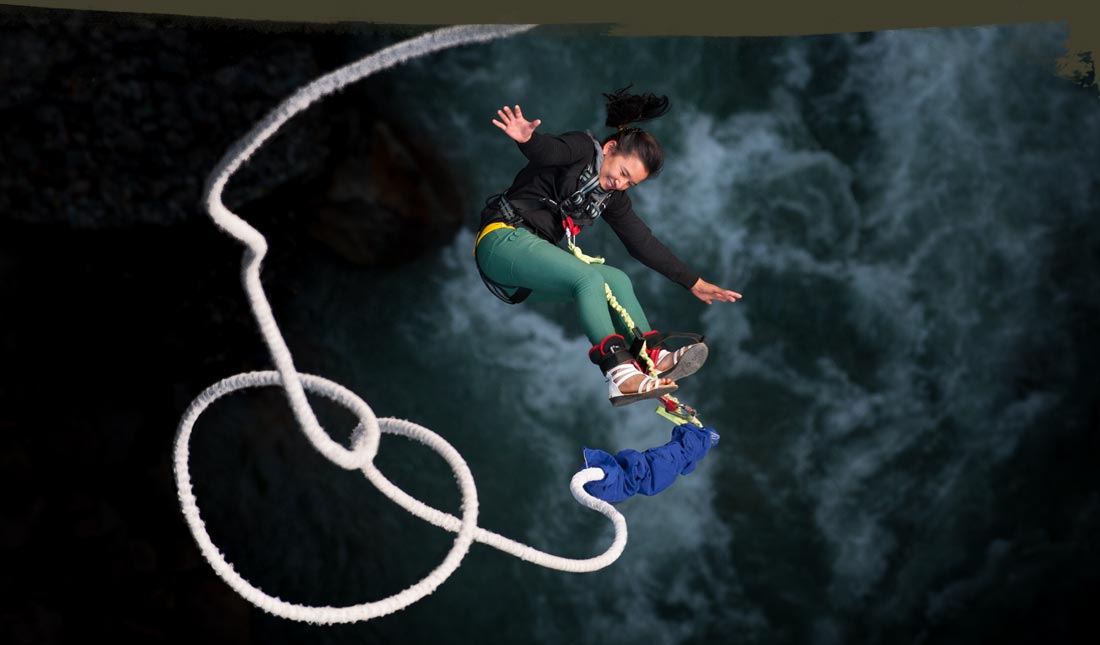
Pokhara, Nepal’s most popular tourist destination, is known for its Himalayan range and lakes. Pokhara is also well-known for its adventure activities such as boating, trekking, rafting, canoeing, and bungee jumping.

If you’re planning on heading to Pokhara, do set aside some time to explore the rest of this beautiful city! Pokhara is famous tourist destination in Nepal. The place is treasure of scenic sightseeing locations and special in own way. Pokhara offer interesting spots of various types, lakes, treks, historical, cultural and scenic.

This is the list of the top things to do in Pokhara during your visit in Nepal.

Sunrise at Sarangkot, Pokhara

As if pretty Pokhara needed a more beautiful cousin! Sarangkot is the cherry on top of a delicious cake. Privy to some spectacular views of the mountains. At any given hour, Sarangkot is at least a couple of degrees cooler than Pokhara.

A great place to witness jaw dropping sunrises, but don’t expect to be the only one gasping in surprise. This place is very popular amongst tourists who want to catch a glimpse of the mighty Himalayas.

Other than the magnificent vistas, there’s not much to do here except a couple of abandoned forts. A few hours is all you need to do justice to this place.

Take a Boat Ride on Fewa Lake

Lake Phewa is gorgeous and clean. Nothing is more pleasant that getting a boat and explore this amazingly beautiful lake. The nature surrounding the Phewa Lake is stunning and since I visited Pokhara during low season, there was not that many people around. For most of the time it was just me and my travel buddy.

The eastern shoreline of the lake, popularly known as Lakeside or Baidam, consists of seemingly endless strip of lodges, restaurants, bookshops and souvenir shops. One of the fascinating parts of lakeside is the splendid view of the mountains, especially when the still water reflects the peaks, creating a double image.

Walking to World Peace Pagoda:

The pagoda is a massive Buddhist stupa and is situated on top of a hill on the southern shore of Fewa lake. World peace pagoda is located on top of the Ananda hill above Pokhara at the height of 1100 meters. It is the first World Peace Pagoda in Nepal and seventy-first pagoda built by Nipponzan-Myōhōji in the world.

It is a perfect spot for view of the Himalayan range, Fewa Lake and Pokhara city.

Bindhyabasini Temple:

Bindhyabasini temple is the centre of religious activity in the old bazaar. It is dedicated to goddess Bindbyabasini, yet another manifestation of shakti (Power) of Hindu. Bindhyabasini Temple is dedicated to goddess Bhagwati, another manifestation of Shakti.

The temple is situated on the hill, very close to Old bazaar. Especially on Saturdays, worshippers come here to perform sacrifices. From the temple is nice view of mountains and city from above.

Mahendra Gupha (cave) and Chameri Gupha:

Mahendra Gupha is the large limestone cave. Shepherd boys are said to have discovered it around 1950. A two hour walk to the north of Pokhara, it is best to bring your own torch to see the stalactites and stalagmites, although most of them have been carted out by souvenir hunters.

Chamero Gupha locally called Chamero Odhaar (“House of Bats”) located near by Mahendra Gufa

Davis Falls:

Locally known as Patale Chhango (Hell’s fall), Devi’s fall (also known as Devin’s or David’s) is an awesome waterfall lying about 2 km south-west of Pokhara airport on the highway to Tansen, Butwal.

An interesting modern legend says that a foreigner named David was skinny-dipping in the Pardi Khola (river) when the floodgates of the dam were opened, sweeping him into an underground passage beneath the fall, never to be seen again. Devi’s Falls were discovered in 1961 and now became a popular attraction for tourists that visit Pokhara.

The most beautiful part of the waterfall is descents through tunnels to Mahendra cave.

Do a Paragliding in Pokhara

Paragliding is one of the most amazing adventurous sports. Gliding above the earth’s surface and watching the majestic Himalayas in the distance and villages, monasteries, lakes and jungles below is an experience no one could forget. If you ever desired of being a bird then you can fulfill your desire by paragliding.

Paragliding has been for decades one of the most popular activities in Pokhara. There is even a professional competition held there every year since the city boasts of being one of the best places in the world for these flights.

Pokhara has the perfect conditions for an exciting and safe experience at the same time, a good take-off area like Sarangkot, stunning views of the Himalayas.

Do a Mountain Biking:

Mountain biking gives you an opportunity to explore the beautiful city, riding through the lush green vegetations, delightful little villages, up and down the hills, along the river banks, around the temples and along the highway.

The bikes could be rented on an hourly basis or for a day from the various bicycle rental shops around the city. You can also take a guided trip if you do not want to miss the coolest spots and the understanding of the culture and lifestyle of the villages.

Do a Ultra-lights

The place that looks beautiful from the ground looks even more splendid from above and everyone at some point of their life has a desire to have a bird’s view of the beautiful landscapes.

The desire can be fulfilled and you can watch the beautiful lake city from the sky through the ultra-light flights. The two-sitter flight operates from Pokhara airport beginning September through June.

They can take off and land on a field or even a dirt road and can ascend to a maximum height of 5000 meters.

Try a local food

Pokhara is the second biggest city in Nepal. However, it feels like a small city located at Phewa Lake. For tourists, the neighbourhood close to Phewa Lake is the place to be. From here (if the weather allows) you have a great view of the snow-covered peaks of the Himalayas. Pokhara is a good place to start your multi-day trek, but also a nice place to come back after a hike for some relaxing! The city is packed with lovely restaurants, bars, spas and coffee shops. The perfect place to relax and have a delicious meal before or after a challenging hike.

Pokhara is a Every Trekker’s Paradise

We can not deny the fact that Nepal is a big hub for trekking and nature lovers. You see them everywhere, excited about their adventures in the beautiful country. Pokhara is no exception. There are a few highly recommended treks (like Ghorepani Trek, Annapurna Sanctuary Trek, Annapurna family lodge Trek ) around Pokhara you shouldn’t miss.

Do a Day Hiking Pokhara

Pokhara is small valley city of nature with lakes and mountains. It is famous by Mount Annapurna and Mount Fistail Himalayas. The reflection of moutain on the lakes are excellent. There are many excellent day hikes can be done from Pokhara to the nearby hills.

It offers countryside experience, good views of himalayas and beautiful lakes. Under one day hiking trips, you can travel to the place around the valley and enjoy the natural beauty with very friendly peole.

Pokhara Day Hiking: This is the best view point to view the serene 7 lakes around Pokhara. The panoramic view of Annapurnas and the experience of village life is the higlight of the hiking.

Are you thinking any Trip to Nepal Cost can be a daunting task. Where to start? How to budget? Where to go? What to do? What do you need to prepare?. The good news is everything you need to plan your trip to Nepal is on Nepal Visitors.

Nepal’s tourism is largely centred around trekking and it does attract a fair amount of wealthy visitors as well as backpackers. As a result there are facilities to cater for them in some areas, which can provide you with some temptation to stray above $30/day. By extending your budget to $40 you can add a little bit of luxury into your trip by staying in nicer hotels and dining out at more tourist-geared restaurants from time to time. It will also give you more room to do extra trips and visit more of the best trekking trails, which typically cost $30 to enter.

How much money will you need in Nepal? NRS 3,902 ($38) is the average daily price for traveling in Nepal. The average price of food for one day is NRS 1120 ($10.60). The average price of a hotel for a couple is NP₨2,818 ($27).  These average travel prices have been collected from other travelers to help you plan your own travel budget.

However if you are looking for more organised trekking expeditions, which is highly recommended if you’re not experienced, then even this budget won’t cover for that. The Trip to Nepal Cost can be quite high for guided trips and to reach the highest points in the Himalayas, it will take many days, which clearly is going to be quite expensive.

If trekking is likely to be the main or a major focus of your trip then use these budgets for the days you won’t be trekking and find a good company for the days you will and research the costs in advance. Here are 5 of the best short treks in Nepal along with an idea of the pricing.

UNESCO protected Durbar Square is a popular spot when backpacking Nepal. A square filled with history of rulers and royalty (Durbar literally means palace). Many of the buildings around the square are actually older than the square itself; Kasthamandap is the oldest building in the valley, at three stories and made out of wood it’s a beautiful ancient sight to awe at. You can easily spend a day wandering the streets, exploring the temples, people watching and enjoying a refreshing beer on one of the rooftop cafes.

Don’t leave Kathmandu without spending some time at the Hanuman Dhoka. Nepal’s Royal palace has some incredible history; founded in the 4th to 8th centuries AD and then expanded to what it is now in the seventeenth century by the king. You can easily spend a day exploring the sprawling palace and it’s 10 courtyards. Plus it is free to enter if you have a ticket to visit Durbar Square! Sadly the palace felt the effects of the 2015 Earthquake and some areas are undergoing repairs. Don’t let this stop you from visiting, most of the palace is now accessible and restored to its previous beauty.

Nepal is a landlocked country located in South Asia. It is situated between two major countries, India to the south, east, and west, and China to the north. Nepal is bordered by the Himalayan mountain range to the north, which includes the highest peak in the world, Mount Everest. The country’s geographical coordinates are 28.3949° N, 84.1240° E.

Nepal is a country with a rich cultural heritage, stunning natural beauty, and numerous adventure activities to explore. Here are some of the top things you can do in Nepal:

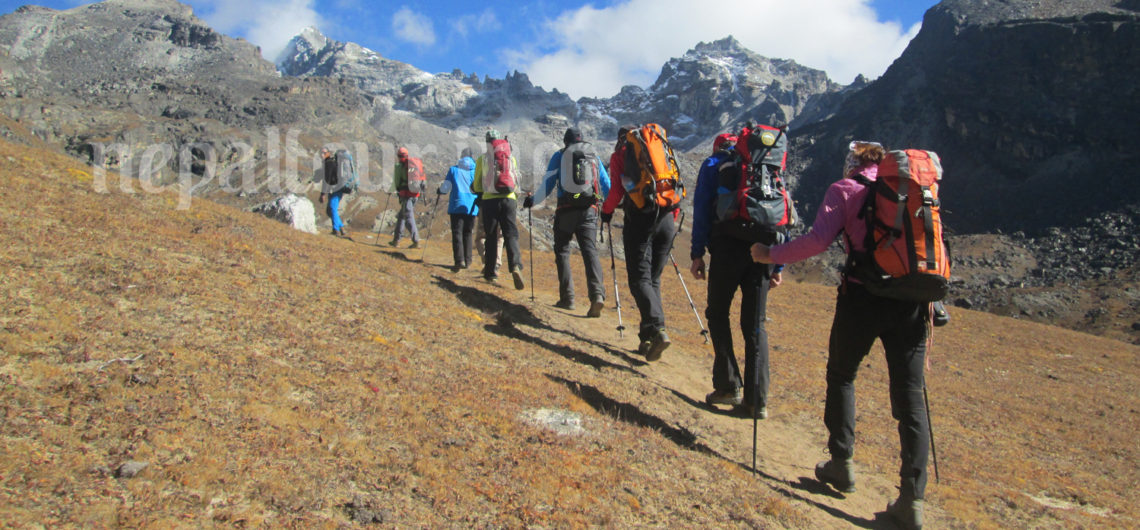
    1. Trekking: Nepal is a popular destination for trekking, and there are several reasons why trekking in Nepal is a unique and rewarding experience.  Nepal is known for its incredible trekking routes, with the Everest Base Camp Trek being one of the most famous.
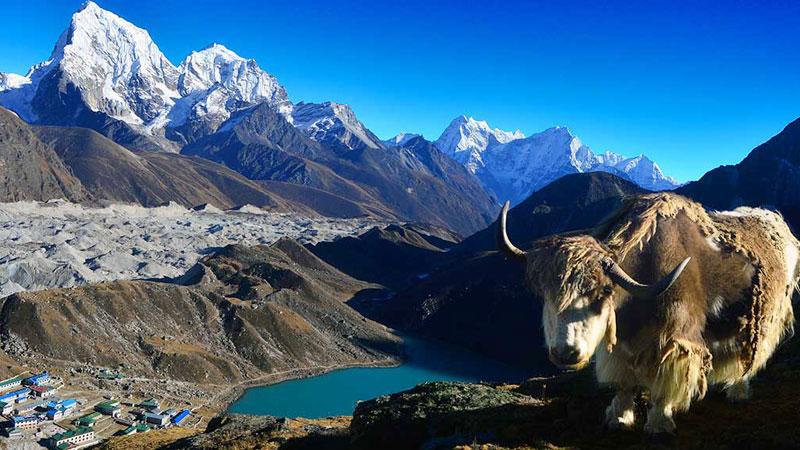
      Everest Region
      Everest Region

      Here are some reasons why you might consider a Nepal trekking adventure:

      Stunning Natural Beauty: Nepal is home to some of the world’s most breathtaking landscapes, including the Himalayan mountain range, lush green valleys, and picturesque villages. Trekking in Nepal allows you to immerse yourself in this natural beauty and experience it up close.

      Unique Cultural Experiences: Nepal is a melting pot of diverse cultures and ethnic groups, each with their own traditions and customs. Trekking in Nepal provides an opportunity to visit remote villages and interact with locals, learning about their culture and way of life.

      Challenging Adventures: Trekking in Nepal is a physically demanding activity that challenges you both mentally and physically. You will need to overcome physical obstacles, altitude sickness, and unpredictable weather conditions, which can be a rewarding experience.

      Personal Growth: Trekking in Nepal can be a life-changing experience, pushing you out of your comfort zone and helping you to grow personally. You will learn to push yourself beyond your limits, appreciate the simple things in life, and gain a new perspective on the world.

      Spiritual Awakening: Nepal is a spiritual destination, with several important religious sites such as Lumbini, the birthplace of Buddha, and the Hindu temple of Pashupatinath. Trekking in Nepal provides an opportunity to connect with nature and engage in meditation and spiritual practices.

      Overall, trekking in Nepal is a unique and rewarding experience that offers a combination of natural beauty, cultural immersion, adventure, and personal growth.

    2. Sightseeing: Nepal is home to several UNESCO World Heritage Sites, including the Kathmandu Durbar Square, the Pashupatinath Temple, and the Bhaktapur Durbar Square. These historic landmarks offer a glimpse into Nepal’s rich cultural heritage.
      Meet the Friendliest Peoples | Reasons to Visit Nepal
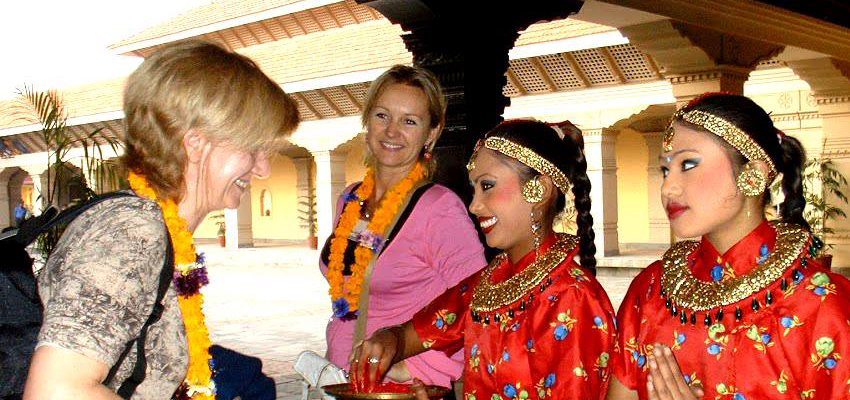
      Meet the Friendliest Peoples | We welcome travelers across the globe to this beautiful land of the Himalayas.

      Cultural Immersion: Nepal is home to several UNESCO World Heritage Sites, including ancient palaces, temples, and monuments. A sightseeing tour allows you to explore these historic landmarks and immerse yourself in the local culture.Architecture: Nepal’s architecture is unique, with intricate wood-carvings, intricate brickwork, and colorful paintings. A sightseeing tour allows you to admire the beauty and intricacy of these ancient structures.

      Natural Beauty: Nepal is home to several stunning natural landscapes, including the Himalayan mountain range, deep gorges, and picturesque valleys. A sightseeing tour allows you to witness this natural beauty up close and take in the awe-inspiring views.

      Convenience: A sightseeing tour can be a convenient way to explore Nepal’s top attractions, as it takes care of transportation, entry fees, and guides. This allows you to focus on enjoying the experience without worrying about logistics.

      Local Insight: A sightseeing tour often includes a local guide, who can provide insight into the history, culture, and significance of each site. This allows you to gain a deeper understanding of Nepal’s rich heritage.

    3. Wildlife Safari: Chitwan National Park and Bardia National Park are popular destinations for wildlife safaris, where you can spot tigers, rhinos, elephants, and other rare species. A wildlife safari is a unique and exciting way to experience nature and wildlife up close. Here are some reasons why you might consider a wildlife safari:
      Best Spot For One Horn Rhinos and Bengal Tigers
      Best Spot For One Horn Rhinos and Bengal Tigers | Reasons to visit Nepal

      Wildlife Viewing: A wildlife safari provides an opportunity to see animals in their natural habitat. You can witness the behavior of animals like tigers, elephants, rhinos, and other rare and endangered species.

      Conservation Awareness: A wildlife safari can be a great way to learn about the importance of conservation efforts and the challenges that face wildlife in their natural habitats. You can also learn about the efforts being made to preserve and protect endangered species.

      Adventure: A wildlife safari is an adventurous activity that takes you out of your comfort zone and into the heart of nature. You can explore remote areas, camp in the wilderness, and take part in other outdoor activities.

      Education: A wildlife safari can be an educational experience for children and adults alike. It can teach you about animal behavior, ecology, and the interconnectedness of all living things.

      Relaxation: A wildlife safari can be a great way to unwind and relax in the peaceful surroundings of nature. It can help reduce stress levels and promote overall well-being.

    4. Adventure Sports: Nepal offers a range of adventure sports, including white-water rafting, bungee jumping, zip-lining, and paragliding. The town of Pokhara is a popular destination for adventure sports.
    5. Yoga and Meditation: Nepal is also a spiritual destination, offering a range of yoga and meditation retreats. The town of Lumbini, the birthplace of Buddha, is a popular destination for those seeking a spiritual experience.
      Nepal Adventure Activities
      Nepal Adventure Activities

      Nepal is a land of spirituality and a hub for yoga and meditation practices. Here are some reasons why you might consider practicing yoga and meditation in Nepal:

      Peaceful Environment: Nepal is a peaceful country with beautiful natural surroundings, providing a perfect setting for yoga and meditation practices. The tranquil environment and spiritual energy of the country make it an ideal place to retreat from the stresses of everyday life.

      Experienced Yoga and Meditation Teachers: Nepal has a long history of yoga and meditation practices, and you can find experienced teachers and gurus who can guide you through your practice.

      Cultural Immersion: Nepal’s rich cultural heritage provides a unique opportunity to immerse yourself in the practice of yoga and meditation while learning about the local culture and traditions.

      Wellness and Healing: Yoga and meditation are known to have several health benefits, including stress reduction, improved mental clarity, and increased physical fitness. Nepal’s natural healing resources such as hot springs, Ayurvedic treatments, and herbal remedies provide an added advantage for wellness and healing.

      Personal Growth: Practicing yoga and meditation in Nepal can help you to deepen your understanding of yourself and the world around you. You can develop a greater sense of self-awareness, cultivate inner peace, and enhance your spiritual growth.

      Overall, Nepal provides a perfect environment for practicing yoga and meditation, with experienced teachers, a peaceful setting, and a rich cultural heritage. It is an ideal destination for anyone looking to improve their physical, mental, and spiritual well-being.

Mountain Biking: Nepal offers some of the world’s best mountain biking routes, with trails that take you through stunning landscapes, remote villages, and lush forests.

Food and Culture: Nepal’s cuisine is unique and flavorful, with dishes such as momos, dal bhat, and chow mein. Exploring the local markets and trying the street food is a must-do activity to experience Nepal’s culture and cuisine.

In Nepal, There are many tour agencies in Nepal that offer various tour packages to explore the country’s natural and cultural beauty. By booking with a local tour operator, you are supporting the local economy and small businesses. Tour operators often work with local hotels, restaurants, and other service providers, which can have a positive impact on the local community.

A local tour operator can provide you with invaluable knowledge about the local history, culture, customs, and traditions. They can also give you insider tips on the best places to eat, shop, and explore. A local guide can tailor your itinerary to your interests and preferences. They can also help you avoid tourist traps and experience authentic local culture.

If you are with someone special and think about the nice trip in a single day then why not choose a helicopter rides Nepal. Helicopter tours are very popular due to the unsurpassed and up-close views of mountain and the Himalayas, such as the Mount Everest, Annapurna or Langtang Range. Nepal tours provides quick and personal option to experience the snow-capped mountains of Nepal within a short time. Some of the Nepal Helicopters are also used for rescue operations.

Whether for business or pleasure, time, distance and location can always act as barriers when planning trips away. Our professional and modern fleet allows you to travel. Whether it’s a special occasion, romantic treat, company incentive, private family experience or VIP trip, our exclusive helicopter fights allow guests to enjoy a memorable experience of a lifetime.

About Aircraft
In Nepal, there are two type of helicopter currently operating in private sector: AS 350 B series of helicopters which are manufactured by Euro-copter, France and are very popular all over the world. It is regarded as one of the most versatile helicopters and is suitable for mountain flying and all types of helicopter missions. Following are its features:

Fail Safe Design:

  • Comfortable Seating Arrangements
  • 5 seats excluding Pilot
  • Suitable for all types of helicopter missions
  • Can fly up to an altitude of 16,000 feet

Nepal Tours is the first choice for all your corporate helicopter charter needs, our personalised service will ensure your private helicopter charter flights, Private helicopter rides Nepal and passenger transfers are completed in style. We have a number of luxury VIP aircraft available that will ensure we are able to fly you or your clients around Nepal or beyond in complete comfort and speed.

Nepal Tours are specialists in providing versatile aerial photography and filming platforms. We have a long history of providing superior aerial footage for sporting events, television shows, movies and documentaries in and around the Nepal region.

Some of the beautiful Helicopter Rides in Nepal are:

  1. Everest Base Camp Helicopter Tour – 3.50 hours ( Single Day)
  2. Everest Base Camp Helicopter Trek – 1o days trek in the Mountain and fly back to helicopter
  3. Langtang Helicopter Trek – 06 days in the Langtang trek and fly back to helicopter
  4. Muktinath Helicopter Tour – 3.50 hours to 5 days packages.. It depends on your time in Nepal.

How much do helicopter rides cost? (2 person minimum)

1.30 Minutes Langtang Tours $1100 Per Person
2 hours helicopter Pokhara to Muktinath $1500 Per Person
3.50 hours Everest Helicopter tour
$2200 Per Person

Planning to go for a trek in Himalayas here is the list of 10 things you must bring to a hike in the Himalayas. No matter whether you are going in an organized trekking in Himalayas or self organized these are the must things to do before the trek in Nepal.

Packing lightly for a trip out of the country is in itself exhausting. However, when you only have so much baggage allowance yet you are preparing for a trip and a hike at the same time, the task can be so daunting as you have to be wise about every bit of weight you put in your rucksack.

On October 2016, I went on a month-long trip to Nepal where I also did the 14 days Everest Base Camp Trek. Since it was my first time hiking in the Himalayas, prior to leaving my home country, I read every article on google about the things that are essential to bring.

Almost all articles listed everything – from the kinds of jackets one must bring, down to the number of underwear one must carry.

Two months after my trek, I found myself writing almost the same things-to-bring article everybody else already wrote and posted on their blogs. However, you should know upfront that you won’t find here detailed information of what the items you must stuff in your rucksack for you Himalayan dream.

Here, I have listed what you should never forget to bring with you aside from the obvious jackets, trousers, hiking boots, underwears, toiletries, etc.

10 Things to Bring a Hike in the Himalayas

Water Purification System

Bottled water is available in every tea house but as you get higher, prices will get steeper. During the trek, you will be required to drink at least three liters of water a day. When you reach the altitude of 4000 meters, you will have to increase your water intake to up to five liters. Unless you are willing to splurge on bottled water during your trek, bring with you water purification drops, tablets or some other gadgets. As for me, I used water purification drops and they worked just fine.

Sunscreen

Every single day of the trek, you will be walking under the sun for a minimum of five hours. Slather on a sunscreen before you leave the tea house and reapply every so often, especially on your exposed skin. Halfway through our 12-day trek, our faces were starting to get sunburnt even if we were wearing caps. The first four trekking days were mostly cloudy but it didn’t mean we were safe from the sun’s UV rays.

Lip balm (with SPF)

Protecting your lips is as important as protecting the rest of your skin. With the combined power of the heat of the sun and the harsh wind, your lips can be as dry as the desert if you do not put on a lip balm.

Sunglasses

At some point, I started getting headaches and I thought it was merely the altitude sickness kicking in. Later on, I realized it was the glare that had been causing the headaches as my eyes had a hard time adjusting to the brightness of the surroundings. I put on my sunglasses, which has been sitting in my backpack all the time and the headache was instantly relieved.

Beanie

One thing my guide kept on reminding me was to never let the head get cold or you will be more prone to getting altitude sickness. I had a beanie with me but it’s not as warm as the knitted one my guide lent me. You can find a plethora of these in Kathmandu and even in the villages you’ll pass by during your trek.

Warm Gloves

This item is a must especially for people like me who easily get cold. This would of course depend on your tolerance as everyone is different. At +3000m my hands were already freezing while my guide’s hands were still warm. I used thin warm gloves I bought from Thamel in Kathmandu. Though knitted gloves are also available in the tea houses.

Buff®

A secret to efficiently packing light is to bring items with multiple uses. Buff® is a multi-functional headwear that can be used as a baclava, hair tie, cap, hat liner, wristband, etc. I mainly used it as a hairband, sun guard or even face mask when it got to windy. This also served as my handkerchief when I was not on the trek.

Treats

No, I do not mean dog treats. Lol. This could be chocolate, peanut butter, chips or other food you might crave while on the trek. Doing a 12-day trek is no joke and somewhere along the way you will try to find something to reward yourself and usually that reward is food. You can of course always buy these from the tea houses when you start craving them but, like water, they can be more expensive up there. A German friend was wise enough to ask her brother to buy chocolates from the airport for the two of them so that they can have at least one per day when they did the 20-day Manaslu trek. As for our group, since we didn’t bring enough, we resorted to buying mars bars, mars rolls and pringles in the tea houses.

Patience

This was something not listed in the articles I read before but I decided to include this as this is more important than any gears and equipment you will bring. Trekking in the Himalayas is not easy and she won’t always show off her beauty. The truth about doing trips like this is you cannot always get what you want whenever you want it. And you get what you don’t want when you don’t feel like it. Sometimes, you’d be annoyed by too much clouds, too much rain, too much sun, bitter cold, too much crowd, and a lot of hella other things you can complain about. But that’s the beauty of it. It exhausts you, breaks you, drives you nuts to the core then disappoints you, and then one fine day it just unfolds right in front of you what you have always been looking for … and more. And it leaves you breathless, speechless and grateful more than ever before. You just have to be patient.

Faith

I almost cancelled on doing the trek as I believed I don’t have enough physical strength to finish it. But then, I decided to push through after hearing the advice of the first few Nepalese I met in Kathmandu. It is not always just about the physical strength. Anyone deciding on doing the trek must first be mentally strong. You have to believe you can do it, or else you will definitely fail. You have to have faith in yourself and faith in the God above that He will give you the strength you need. I honestly didn’t have the physical strength to do it but I finished it and I will forever be grateful for that.

Trekking to Everest is wonderful as it takes you to one of the highest places on the earth. The heavenly beauty of this journey is splendid and astounding that surely leaves every visitor spellbound.

The Everest region trek is indeed beautiful and brings the pleasure of exploring the highest mountains in the world, nonetheless the journey somewhat comes with certain responsibilities. The responsibilities lean towards the safety and risk factors that trekkers should avoid while doing EBC trek.

Similarly, there are certain criteria that trekkers should fulfill before making their way towards the Himalayan Heaven. Here in this blog, we are going into details on what permits are needed for doing Everest Base Camp Trek.

At the same time, we highlighted the difficulty factors of the trek. Trekking in Nepal is a pleasant activity to endeavor while in Nepal. But to do this specific activity, trekkers are required to purchase trekking permits and should know details about the trail as well.

Let’s explore these topics in the following segment.

There are three different permits you need to Everest Base Camp Trek. Trekkers Information management System (TIMs), Sagarmatha National park entry permits and another one is Khumbu Pasang Lhamu Rural Municipality fee.

There are two ways to go about your trek to Everest Base Camp: Independent or Guided, and both options offer their pros and cons. Everest Base Camp trek planning can be a lot of work – from permits, accommodations, transportation, and more – there are a lot of logistics to consider before and during your trek.

Everest Region:

The Everest region is in northeastern Nepal. The largest town of the region is Namche Bazaar and it is also home to the famous Buddhist monastery at Thyangboche where the annual Mani Rimdu festival is held. Virtually all treks in the Khumbu begin with a flight from Kathmandu to the small town of Lukla. Foreigners are required to obtain a Sagarmatha National Park entry permit as well as a TIMS card to trek in the Everest Region.

Permits and Fees in the Everest Region:

  1. Sagarmatha National Park entry permit fee for foreigners: 3,000 NPR + 13% VAT, totaling 3,390 NPR (Approx. US $34). Sagarmatha National Park entry permit fee for SAARC nationals: 1,500 NPR
  2. Khumbu Pasang Lhamu Rural Municipality of Solukhumbu district has started levying entrance fee of Rs 2,000 (approximately $20) on every foreigner entering the rural municipality from October 1, 2018
  3. TIMS permit: 2,000 NPR (Approx. US $20)

Where to get the permit for Everest Base Camp Trekking:

  • Sagarmatha National Park entry permit can be purchased in the Nepal Tourism Board Office on Pradarshani Marg, Kathmandu, Tel: +977 1 4256909.
  • While Khumbu Pasang Lhamu Rural Municipality fee needs to be deposited at the Lukla Check Post.
  • Contact sales@nepaltour.info if you wish assistance from us at extra 10% Service fee.

If you travel from Jiri to Everest Base Camp. You mist carry the Gaurishankar Conservation Area Project (GCAP) Entry Permit

Gaurishankar Conservation Area Project (GCAP) Entry Permit:

Certain parts of Jiri to Everest Base Camp is protected under Gaurishankar Conservation Area Project. So you need to obtain the entry permit. It will cost Rs 3000 for both organized and independent trekker and you have to issue this in Tourism Board Kathmandu.

Final Thought:

There are two main seasons to trek to Everest Base Camp in Autumn (October-November) and Spring (April-May). So don’t let go this opportunity to trek to the roof of the world!!!.  Being a number one travel agency in Kathmandu, Nepal, we, Nepal Tour serve you this 14 Days Everest Base Camp Trek in Nepal or If you would like to read about the details for Everest Base Camp then click on the Everest Base Camp office website:

Come! Let’s explore the Everest region!

Tourism in Nepal is safe and will remain safe. The Popular tourism destination like Kathmandu, Pokhara, Chitwan are considered very safe regions. These days a Bandha is rare. The Bandh is a strike called by any political party. However you can expect some change in the itinerary if a Transport strike is called by a political party. Such strike has zero effect in sight seeing in Kathmandu valley or trekking.

The illegal trekking or travel agency, trekking operator / tour operator, Individual trekking guide /freelancer, personal website creator for tourism activities are only concerned with their own wealth and often pay their trekking staff very less and in most occasion don’t offer them insurance, proper equipment or any other kind of support so concerning all the adventure trip so to choose the government registered Nepal trekking or travel company is one of the best scheme to concrete your dream in to the reality.

Known as the land of snowy peaks, incredible landscapes, and impressive mountains.  Nepal is a country that has culture, adventure, and adrenaline rolled into one. Home to ten of the highest peaks in the world. It is no wonder that this place is frequented by adventure junkies from all over the world. However, during our trip to Nepal what surprised me the most was the fact that beyond the mighty Himalayan mountains, the country itself is incredibly diverse and lush. Offering tourists a wide array of things to do Nepal is a country that didn’t disappoint.

Before Visiting to Nepal.

Before you head off on your Nepal tour, there are some things you should consider knowing and having, to save you from a bad experience whilst in this stunningly beautiful Himalayan kingdom. Travel insurance, while not a requirement in Neal, is a good thing to have just in case something untoward happens, such as having your wallet stolen or needing hospital care. A good travel insurance does not cost a lot, and can save your life if things go wrong in Nepal. Hospitals in Nepal are not free, and you will need to show an ability to make the payments first. All of the hospitals have affiliations with the major insurance companies, and can quickly and easily validate and verify your travel insurance to take care of the bill, or transfer you to another country or even home, in severe cases.

Social Etiquette in Nepal

First and foremost, you‘ll want to know how to greet the locals. The traditional manner of greeting in Nepal involves placing your palms together in a prayer style and saying “namaste” or “namaskar”. Address anyone older than you with respect using the terms “dai” for men and “didi” for women. And avoid stepping over someone‘s outstretched legs or touching anyone with your feet as these are considered impolite.

Water Safety in Nepal

If you plan on staying in Nepal for a while, you may want to pack a boiling pan and filter for the tap water. Water from the tap is not safe for consumption, even if it‘s from your hotel. Remember to also avoid fruit that may have been washed in contaminated water or drinking soft drinks with ice in them, as the ice may have been made from tap water. Stick to bottled water, which can be found in just about every store in the country.

Solo women trekking in Himalaya Nepal

Solo trekking not recommends for any female traveler to the Himalayas because of the safety point of views, illness and accidents. It is better to search and find the travel mate or to join the group with fix departure with other trekking agency or hire a guide or porter for safety that helpful to know the local people, language, culture and lifestyle. The best advice is to never trek alone with a local male guide. Adventure Connexion in Kathmandu is  specialises in providing female staff for treks.

Travel with Children

Increasing numbers of people are travelling with their children in Nepal, and with a bit of planning it can be remarkably hassle-free. Many people trek with older children, but heading out on the trail with smaller children for any length of time or on any higher routes with children of any age is generally not to be advised. The best trips with children. Please visit the page Nepal for kids.

Read Government Travel Advice

The folllowing government websites offer travel advisories and information on current hotspots. Some of this official travel advice can sound a little alarmist, but if your government issues a travel warning advising against ‘all travel’ or ‘all but essential travel’ to a specific area, then your travel insurance may be invalid if you ignore this advice.