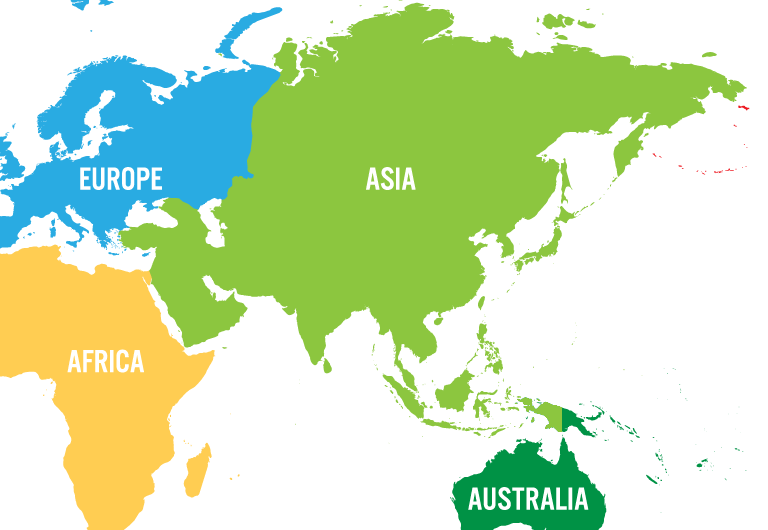
Nepal is a landlocked country located in South Asia. It is situated between two major countries, India to the south, east, and west, and China to the north. Nepal is bordered by the Himalayan mountain range to the north, which includes the highest peak in the world, Mount Everest. The country’s geographical coordinates are 28.3949° N, 84.1240° E.

Nepal is a country with a rich cultural heritage, stunning natural beauty, and numerous adventure activities to explore. Here are some of the top things you can do in Nepal:

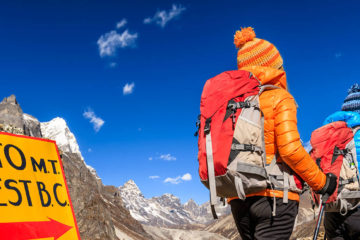
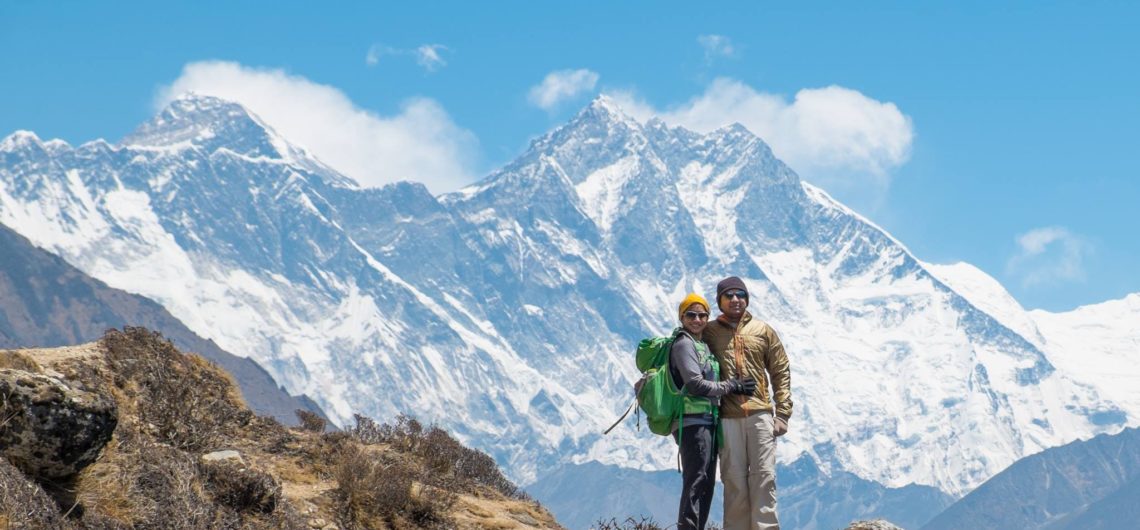
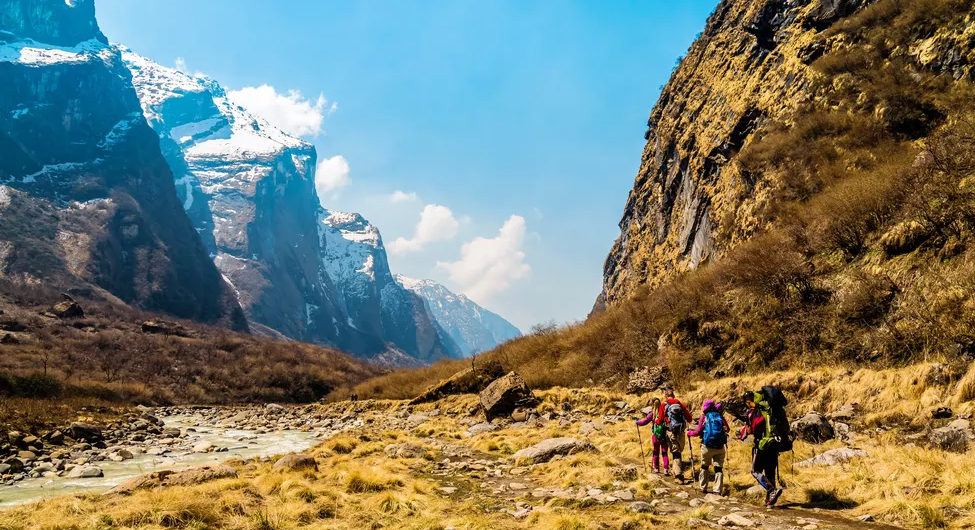
    1. Trekking: Nepal is a popular destination for trekking, and there are several reasons why trekking in Nepal is a unique and rewarding experience.  Nepal is known for its incredible trekking routes, with the Everest Base Camp Trek being one of the most famous.
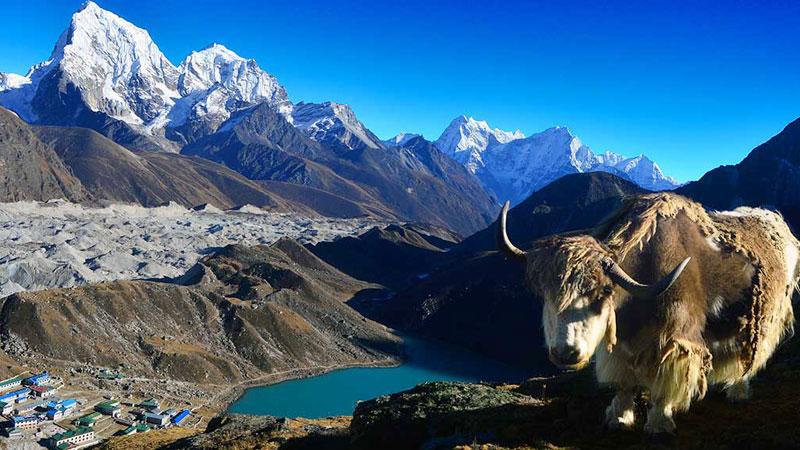
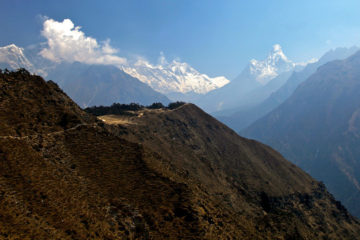
      Everest Region
      Everest Region

      Here are some reasons why you might consider a Nepal trekking adventure:

      Stunning Natural Beauty: Nepal is home to some of the world’s most breathtaking landscapes, including the Himalayan mountain range, lush green valleys, and picturesque villages. Trekking in Nepal allows you to immerse yourself in this natural beauty and experience it up close.

      Unique Cultural Experiences: Nepal is a melting pot of diverse cultures and ethnic groups, each with their own traditions and customs. Trekking in Nepal provides an opportunity to visit remote villages and interact with locals, learning about their culture and way of life.

      Challenging Adventures: Trekking in Nepal is a physically demanding activity that challenges you both mentally and physically. You will need to overcome physical obstacles, altitude sickness, and unpredictable weather conditions, which can be a rewarding experience.

      Personal Growth: Trekking in Nepal can be a life-changing experience, pushing you out of your comfort zone and helping you to grow personally. You will learn to push yourself beyond your limits, appreciate the simple things in life, and gain a new perspective on the world.

      Spiritual Awakening: Nepal is a spiritual destination, with several important religious sites such as Lumbini, the birthplace of Buddha, and the Hindu temple of Pashupatinath. Trekking in Nepal provides an opportunity to connect with nature and engage in meditation and spiritual practices.

      Overall, trekking in Nepal is a unique and rewarding experience that offers a combination of natural beauty, cultural immersion, adventure, and personal growth.

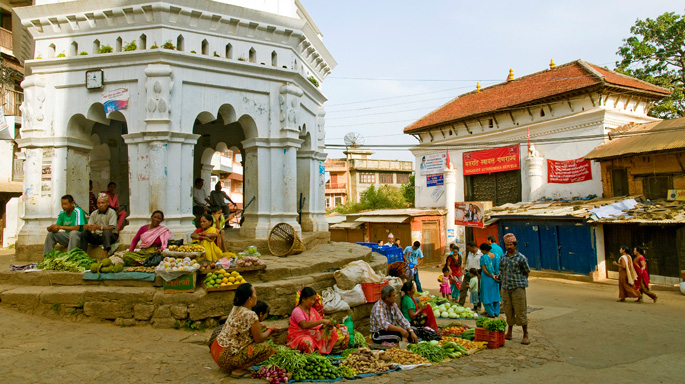
    2. Sightseeing: Nepal is home to several UNESCO World Heritage Sites, including the Kathmandu Durbar Square, the Pashupatinath Temple, and the Bhaktapur Durbar Square. These historic landmarks offer a glimpse into Nepal’s rich cultural heritage.
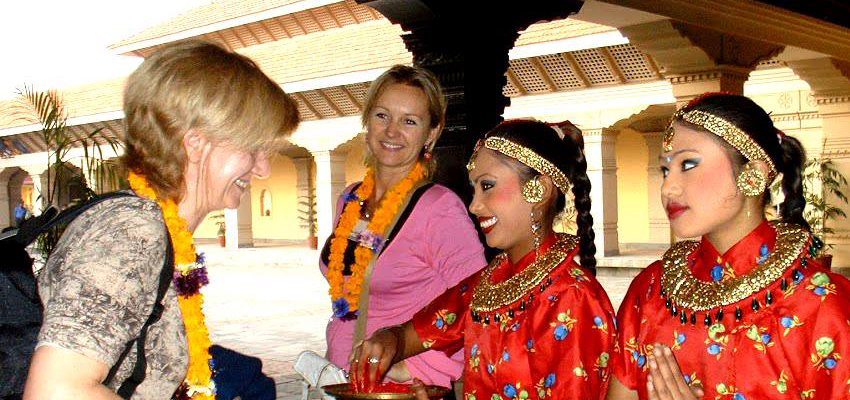
      Meet the Friendliest Peoples | Reasons to Visit Nepal
      Meet the Friendliest Peoples | We welcome travelers across the globe to this beautiful land of the Himalayas.

      Cultural Immersion: Nepal is home to several UNESCO World Heritage Sites, including ancient palaces, temples, and monuments. A sightseeing tour allows you to explore these historic landmarks and immerse yourself in the local culture.Architecture: Nepal’s architecture is unique, with intricate wood-carvings, intricate brickwork, and colorful paintings. A sightseeing tour allows you to admire the beauty and intricacy of these ancient structures.

      Natural Beauty: Nepal is home to several stunning natural landscapes, including the Himalayan mountain range, deep gorges, and picturesque valleys. A sightseeing tour allows you to witness this natural beauty up close and take in the awe-inspiring views.

      Convenience: A sightseeing tour can be a convenient way to explore Nepal’s top attractions, as it takes care of transportation, entry fees, and guides. This allows you to focus on enjoying the experience without worrying about logistics.

      Local Insight: A sightseeing tour often includes a local guide, who can provide insight into the history, culture, and significance of each site. This allows you to gain a deeper understanding of Nepal’s rich heritage.

    3. Wildlife Safari: Chitwan National Park and Bardia National Park are popular destinations for wildlife safaris, where you can spot tigers, rhinos, elephants, and other rare species. A wildlife safari is a unique and exciting way to experience nature and wildlife up close. Here are some reasons why you might consider a wildlife safari:
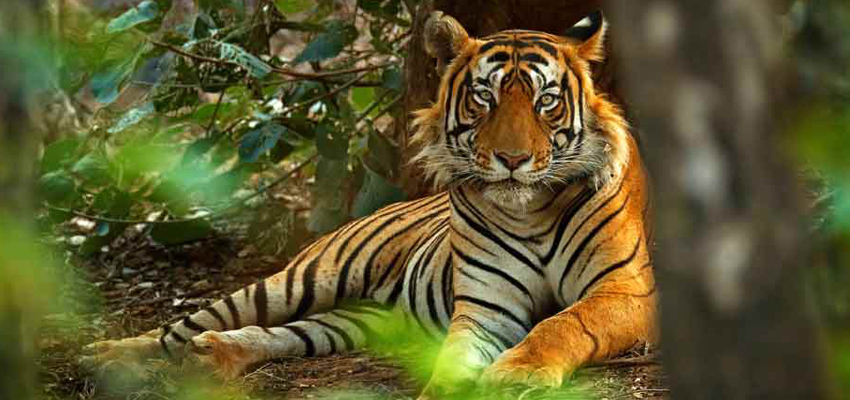
      Best Spot For One Horn Rhinos and Bengal Tigers
      Best Spot For One Horn Rhinos and Bengal Tigers | Reasons to visit Nepal

      Wildlife Viewing: A wildlife safari provides an opportunity to see animals in their natural habitat. You can witness the behavior of animals like tigers, elephants, rhinos, and other rare and endangered species.

      Conservation Awareness: A wildlife safari can be a great way to learn about the importance of conservation efforts and the challenges that face wildlife in their natural habitats. You can also learn about the efforts being made to preserve and protect endangered species.

      Adventure: A wildlife safari is an adventurous activity that takes you out of your comfort zone and into the heart of nature. You can explore remote areas, camp in the wilderness, and take part in other outdoor activities.

      Education: A wildlife safari can be an educational experience for children and adults alike. It can teach you about animal behavior, ecology, and the interconnectedness of all living things.

      Relaxation: A wildlife safari can be a great way to unwind and relax in the peaceful surroundings of nature. It can help reduce stress levels and promote overall well-being.

    4. Adventure Sports: Nepal offers a range of adventure sports, including white-water rafting, bungee jumping, zip-lining, and paragliding. The town of Pokhara is a popular destination for adventure sports.
    5. Yoga and Meditation: Nepal is also a spiritual destination, offering a range of yoga and meditation retreats. The town of Lumbini, the birthplace of Buddha, is a popular destination for those seeking a spiritual experience.
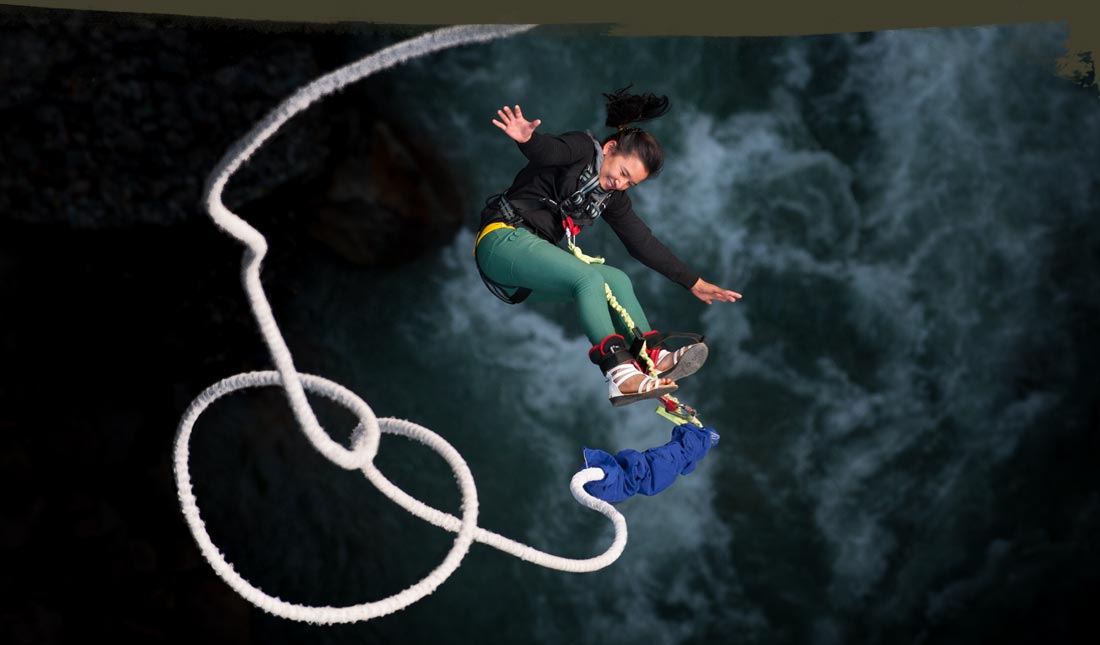
      Nepal Adventure Activities
      Nepal Adventure Activities

      Nepal is a land of spirituality and a hub for yoga and meditation practices. Here are some reasons why you might consider practicing yoga and meditation in Nepal:

      Peaceful Environment: Nepal is a peaceful country with beautiful natural surroundings, providing a perfect setting for yoga and meditation practices. The tranquil environment and spiritual energy of the country make it an ideal place to retreat from the stresses of everyday life.

      Experienced Yoga and Meditation Teachers: Nepal has a long history of yoga and meditation practices, and you can find experienced teachers and gurus who can guide you through your practice.

      Cultural Immersion: Nepal’s rich cultural heritage provides a unique opportunity to immerse yourself in the practice of yoga and meditation while learning about the local culture and traditions.

      Wellness and Healing: Yoga and meditation are known to have several health benefits, including stress reduction, improved mental clarity, and increased physical fitness. Nepal’s natural healing resources such as hot springs, Ayurvedic treatments, and herbal remedies provide an added advantage for wellness and healing.

      Personal Growth: Practicing yoga and meditation in Nepal can help you to deepen your understanding of yourself and the world around you. You can develop a greater sense of self-awareness, cultivate inner peace, and enhance your spiritual growth.

      Overall, Nepal provides a perfect environment for practicing yoga and meditation, with experienced teachers, a peaceful setting, and a rich cultural heritage. It is an ideal destination for anyone looking to improve their physical, mental, and spiritual well-being.

Mountain Biking: Nepal offers some of the world’s best mountain biking routes, with trails that take you through stunning landscapes, remote villages, and lush forests.

Food and Culture: Nepal’s cuisine is unique and flavorful, with dishes such as momos, dal bhat, and chow mein. Exploring the local markets and trying the street food is a must-do activity to experience Nepal’s culture and cuisine.

In Nepal, There are many tour agencies in Nepal that offer various tour packages to explore the country’s natural and cultural beauty. By booking with a local tour operator, you are supporting the local economy and small businesses. Tour operators often work with local hotels, restaurants, and other service providers, which can have a positive impact on the local community.

A local tour operator can provide you with invaluable knowledge about the local history, culture, customs, and traditions. They can also give you insider tips on the best places to eat, shop, and explore. A local guide can tailor your itinerary to your interests and preferences. They can also help you avoid tourist traps and experience authentic local culture.
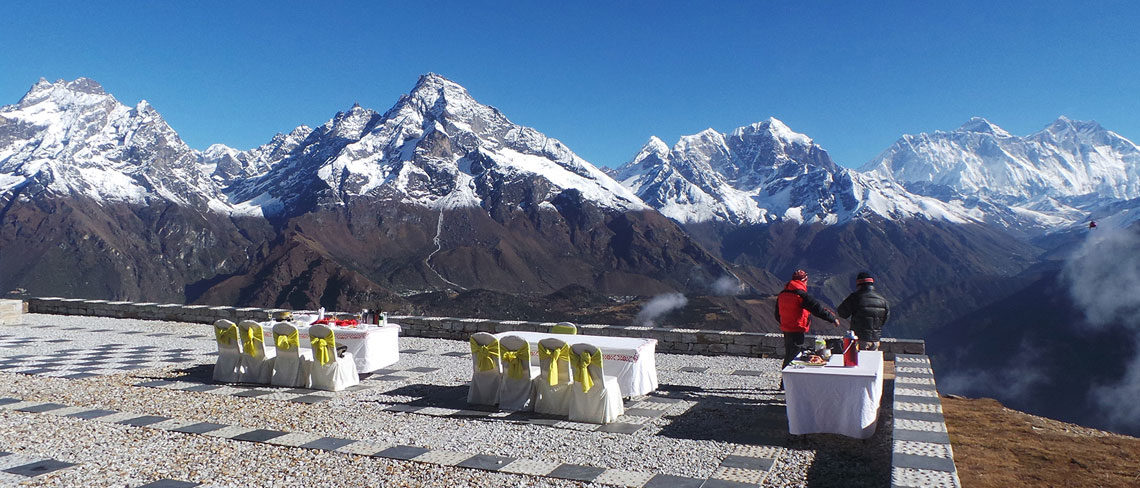
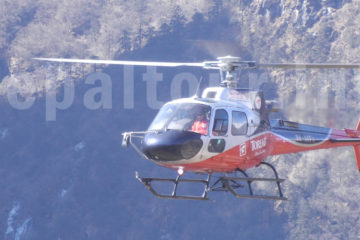
If you are with someone special and think about the nice trip in a single day then why not choose a helicopter rides Nepal. Helicopter tours are very popular due to the unsurpassed and up-close views of mountain and the Himalayas, such as the Mount Everest, Annapurna or Langtang Range. Nepal tours provides quick and personal option to experience the snow-capped mountains of Nepal within a short time. Some of the Nepal Helicopters are also used for rescue operations.

Whether for business or pleasure, time, distance and location can always act as barriers when planning trips away. Our professional and modern fleet allows you to travel. Whether it’s a special occasion, romantic treat, company incentive, private family experience or VIP trip, our exclusive helicopter fights allow guests to enjoy a memorable experience of a lifetime.

About Aircraft
In Nepal, there are two type of helicopter currently operating in private sector: AS 350 B series of helicopters which are manufactured by Euro-copter, France and are very popular all over the world. It is regarded as one of the most versatile helicopters and is suitable for mountain flying and all types of helicopter missions. Following are its features:

Fail Safe Design:

  • Comfortable Seating Arrangements
  • 5 seats excluding Pilot
  • Suitable for all types of helicopter missions
  • Can fly up to an altitude of 16,000 feet

Nepal Tours is the first choice for all your corporate helicopter charter needs, our personalised service will ensure your private helicopter charter flights, Private helicopter rides Nepal and passenger transfers are completed in style. We have a number of luxury VIP aircraft available that will ensure we are able to fly you or your clients around Nepal or beyond in complete comfort and speed.

Nepal Tours are specialists in providing versatile aerial photography and filming platforms. We have a long history of providing superior aerial footage for sporting events, television shows, movies and documentaries in and around the Nepal region.

Some of the beautiful Helicopter Rides in Nepal are:

  1. Everest Base Camp Helicopter Tour – 3.50 hours ( Single Day)
  2. Everest Base Camp Helicopter Trek – 1o days trek in the Mountain and fly back to helicopter
  3. Langtang Helicopter Trek – 06 days in the Langtang trek and fly back to helicopter
  4. Muktinath Helicopter Tour – 3.50 hours to 5 days packages.. It depends on your time in Nepal.

How much do helicopter rides cost? (2 person minimum)

1.30 Minutes Langtang Tours $1100 Per Person
2 hours helicopter Pokhara to Muktinath $1500 Per Person
3.50 hours Everest Helicopter tour
$2200 Per Person

The only country in the world that has a higher average altitude than Nepal is nearby Bhutan – another Himalayan nation. With that in mind, you’ll not be surprised to know that it has some of the world’s best trekking! It’s not all about hiking though – as well as the incredible natural vistas, you have a country with a fascinating culture, numerous temples, and rich history.

In this post, we’ll take a look at how to pack lightly for your adventures in Nepal. Not only will we tell you what to bring, but we’ll give you some handy travel tips so that you can better plan your trip of a lifetime to Nepal. So, let’s get started!

Get a sturdy backpack (and a day pack)

One of the worst things you can do if you want to travel lightly in Nepal is bringing a big suitcase. Just imagine dragging that around the narrow streets of Kathmandu, or even worse, on a trek into the mountains!

Thankfully, the alternative is a backpack. Don’t just buy any old one though – make sure that you get a one to suit your frame and size. The rule of thumb is that your backpack shouldn’t have any more than a third of your bodyweight in, so don’t pack it all the way full.

You should also get a day pack for shorter hikes that you can clip on and off your large backpack. That means you can store your larger backpack safely at your accommodation while taking the essentials with you on your daily activities. Speaking of accommodations, you can stay in some of the best Airbnbs in Kathmandu, Nepal for you to relax after a day’s activities.

Make sure to be prepared for all weathers

Nepal’s weather can be pretty unpredictable, and you’ll need to be prepared for everything it can throw at you. It depends on when you visit too – March to May is warm but at nights it’s a bit cold. September to November, the weather is usually quite pleasant and it’s peak season for trekking.

For those planning to visit the cities’ temples, pack clothes that will cover most of your body (especially women) Nepal is a conservative country and it’s important to dress appropriately and respectfully.

Be sure to have a light jacket to protect you from the rain and wind if you’re staying in the cities and doing day hikes. However, if you planning to go to higher altitudes, you’ll need proper winter clothes to keep you warm.

Pack layers

On the subject of keeping warm, you’ll need to pack layers for your trip to Nepal. Especially if you’re going hiking. Make sure to have lighter base layers, such as quick-drying sweatpants and t-shirts. A down jacket with a hood is also recommended.

Get the right footwear

One of the most important things for your trip to Nepal is the footwear. For hikes in other countries, you might be able to get away with a pair of sturdy trainers, but that’s not recommended in Nepal. You’d be far better off with a pair of sturdy walking boots. Make sure that you’ve broken them in before arriving in Nepal too.

The best kind are those with grips and drains, you may end up walking through streams or rivers and these will keep you protected. Waterproof boots are more likely to trap water inside, which can be uncomfortable.

Footwear isn’t only about shoes – Make sure to get the right socks too. Wool and synthetic blends will keep your feet dry, meaning you avoid any rubbing and blisters. Avoid cotton. Leech socks are a good idea too, but more on them later.

Water bottle with built in filter

A water bottle is a necessity in Nepal as drinking water is not an abundant resource here. Yes, in Kathmandu and Pokhara it’s not that hard to find bottled water. However, when you’re trekking above 3,000 meters that changes dramatically. It’s best to have your own water bottle with a filter so that you can refill it anywhere – even in streams and rivers. It’ll be expensive otherwise – tea houses and restaurants can help you with purified water but that costs about $2 per litre. And you’ll be drinking more than usual on hikes!

Insect repellent and leech socks

Insect repellent is something you’ll need year-round in Nepal. Mosquitos are especially prevalent in the south of the country in places like Chitwan National Park and Lumbini. The warm the weather, the worse it gets. Leech socks are particularly effective (and necessary) during the rainy season. These little critters are a nightmare to get rid of, so just try not to attract them in the first place!

Camping Gear (for those who are going off the beaten track)

As we’ve already mentioned, Nepal is a trekker’s paradise. Doing guided tours means that you won’t have to worry about sorting your own camping gear, but if you want to go it alone then there are some things that you’ll need to bring. A tent, a sleeping bag, and a first aid kit are absolute essentials, as well as a few other things.

Remember though, you can pick up most of your camping gear in the shops of Kathmandu and Pokhara.

Only take the essential items

What we’ve mentioned above are the absolute must-haves for a trip to Nepal. If in doubt, it’s definitely a good idea to ask your accommodation or tour operator for anything else you need specific to your type of holiday in advance. However, if you’ve got what’s on our list then you can’t go far wrong!

So, now that you know the best things to pack for your adventures in Nepal, you’ll want to book your trip…

You’ll want to get booking your trip to Nepal. It can be daunting travelling through the Himalayas, so why not get some help from Nepal Tours? They have more than 15 years of experience in escorted tours of this beautiful country. You’ll be able to enjoy all the best activities Nepal has to offer, whether you want to discover the world-class trekking, stay in luxury lodges, or make friends on a group tour. Chat to their friendly staff online and find the best vacation for you!

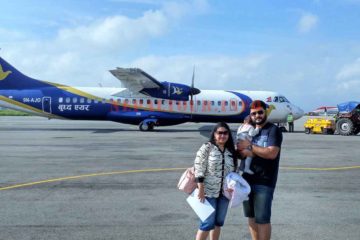
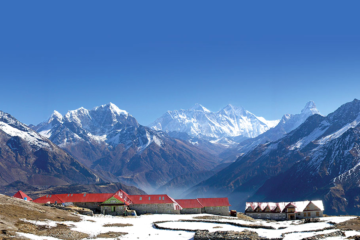
The Everest region is in northeastern Nepal. The largest town of the region is Namche Bazaar and it is also home to the famous Buddhist monastery at Tengboche where the annual Mani Rimdu festival is held. Virtually all treks in the Khumbu begin with a flight from Kathmandu to the small town of Lukla.

The Everest Region Nepal is more than just trekking, it is a milestone in anyone’s life; and some have even described the experience as a journey close to Nirvana. Located in the northeast province of Nepal, this is a colony to dramatic glaciers, deep settlements, several majestic mountains.

Trekking to the Everest also provides us an opportunity to embark on an epic journey that Sir Edmund Hillary and Tenzing Norgay set off to in 1953

Mount Everest is a peak in the Himalaya mountain range. It is located between Nepal and Tibet, an autonomous region of China. Everest is 29,031.69-feet or 8848.86-meters high, it is considered the tallest point on Earth. Everest Region is a famous adventure activity done by thousands of trekkers and travelers every year.

Solu Khumbu is justifiably famous, not only for its proximity to the world’s highest mountain (8848 metres), but also for its Sherpa villages and monasteries. The primary goal of an Everest region is the Everest base camp at an elevation of about 5340 metres.

With this Everest travel guide, we are providing free information which will be useful to both independent trekkers and those going with a registered trekking agency. In this Everest guide you will find information of where to go, how to get there, what to expect (weather, trails, food), where to stay, and what to pack.

We have also included details of further adventures such as peak climbing (which you definitely cannot do alone), and less frequented treks. We hope you enjoy using this guide and find it useful.


Things to See in Everest Region


  1. The Sagarmatha National Park:

    the country’s first national park inscribed as a Natural World Heritage Site. Trekking in Everest region generally includes trekking through the national park’s forests and enjoying its natural perseverance and protection of the region’s floral and faunal life.

    The Sagarmatha National Park has an exceptional area within its parameters and it covers most of the dramatic mountains of the region, glaciers and deep valleys. Dominated by Mount Everest, the Sagarmatha National Park is a home to several rare species of animals like the Snow Leopard and the Red Panda.

    The area of the national park represents a major stage of the Earth’s evolutionary history and is one of the most geologically interesting regions in the world with high, young mountains and glaciers creating awe-inspiring landscapes and dominated by the high peaks and coruscating deep-incised valleys. The park contains the world’s highest feature of biodiversity intricately blended with the region’s rich Sherpa culture.

  2. Lukla Tenzing Hillary Airport

    Lukla Airport, which was renamed the Tenzing Hillary Airport in 2008, is both extremely small and extremely busy. With its short runaway, steep incline, and quickly changing weather, Lukla has one of the most challenging runways in the world.

    In fact, for the past 20 years it has been named the most dangerous airport in the world. High winds, low lying clouds and sudden changes in visibility are some of the reasons behind this title. Bad weather is also a huge factor in the frequent cancellation of flights. Lukla is a gateway for Everest region trek.

  3. Explore the Namche Bazaar:

    Namche Bazaar is a town and in Khumbu Pasang Lhamu Rural Municipality in Solukhumbu District of Province No. 1 of north-eastern Nepal. It is located within the Khumbu area at 3,440 metres at its low point, populating the sides of a hill. Most Sherpa who are in the tourism business are from the Namche area. Every Saturday morning, Namche Bazaar lights up with its weekly market gusto. The market is a spotlight in the middle of the town, and traders from Tibet and other villages come with the pieces of arts and goods to attract the hearts of their potential customers.

  4. Visit Tengboche Monastery

    Tengboche Monastery is one of the most famous monasteries of Nepal, probably because of its unrivalled backdrop of Mount Ama Dablam. Tengboche Monastery is the leading Buddhist centre in the Khumbu with a residing Rinpoche who blesses pilgrims and travelers to the area.

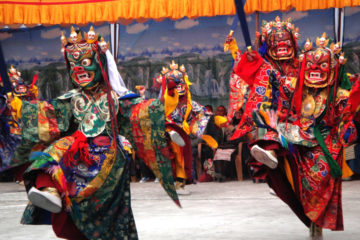
    Every October / November, Tengboche Monastery hosts the colorful Mani Rimdu festival, which is a culmination of Buddhist celebrations with religious gathering, songs, dances, enactments of legends. Visitors are also welcomed to partake in the festivities. Tours of the monastery are conducted every afternoon.

  5. Experiencing Sherpa Culture

    The trek to Everest Base Camp provides trekkers with the opportunity to observe, participate and experience the culture of Sherpa who are the tribe of Tibetan origin living in the lap of Himalaya. They are well known for their skills in mountaineering and thus regarded as expert mountaineers in their local terrain.

    You can go to different places such as Dudh Koshi, Lukla, and Namche Bazar during the trek. These places depict the lifestyle of Sherpas and help to make ones trip a memorable one.

Best Time to Travel in Khumbu Region:

There are two distinct trekking seasons. The best months to trek to Everest base camp are pre-monsoon (February, March, April and May) and post monsoon (late September, October, November and December).

It is possible to make the journey in February and early September but we prefer the above for our treks into Everest base camp. My personal favorites are March, late October and November.

Suggested Everest Region Trek:

Everest Mountain Flight

The Everest Mountain Flight by plane usually takes between 50 minutes up to an hour.

Everest View Helicopter Tour

Everest Base Camp Helicopter Tour is direct fly from Kathmandu to Everest. This is a

Everest Luxury Trek

Everest Luxury Trek takes you to the base of world's highest peak in an unparallel

Mani Rimdu Festival Trek

Mani Rimdu Festival Trek is a Buddhist festival specific to the Sherpa community of Everest

Everest Panorama Trek

Everest panorama trek is a classic short trek to Tengboche monastery that offers close view

Everest Base Camp Trek

We boast 99% success rate to date on our 14 days Everest base camp trek, this

Gokyo Lakes Trek

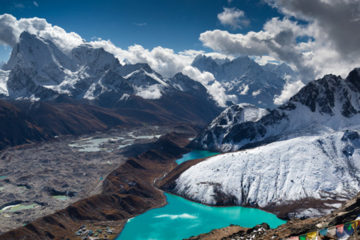
Gokyo Lakes and Gokyo Ri Trek is a beautiful journey to the enticing Gokyo lakes

Permits and Fees in the Everest Region:

  1. Sagarmatha National Park entry permit fee for foreigners: 3,000 NPR + 13% VAT, totaling 3,390 NPR (Approx. US $34)
  2. Sagarmatha National Park entry permit fee for SAARC nationals: 1,500 NPR
  3. Khumbu Pasang Lhamu Rural Municipality of Solukhumbu district has started levying entrance fee of Rs 2,000 (approximately $20) on every foreigner entering the rural municipality from October 1, 2018 replacing the TIMS permit: 1,000 NPR (Approx. US $10)

Mount Everest Facts for Kids:

    • Everest is 29,031.69 feet or 8848.86 meters high
    • It is estimated to be over 60 million years old.
    • Every year it grows taller by approximately 4 milimeters.
    • The wind can be as strong as 100 mph.
    • The temperature can reach -80 degrees Fahrenheit.
    • Snow covers the rocky summit all year long.
    • The mountain is located on the border of Nepal and China.

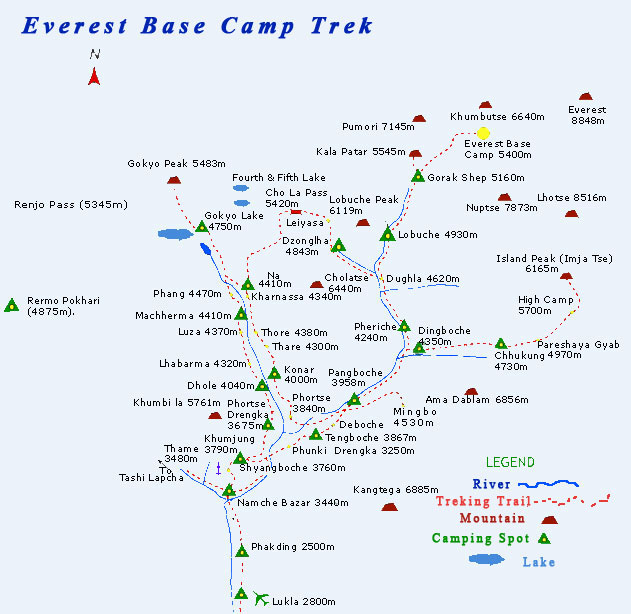
Everest Region Map:

everest region map
everest region map

Trekking to Everest is wonderful as it takes you to one of the highest places on the earth. The heavenly beauty of this journey is splendid and astounding that surely leaves every visitor spellbound.

The Everest region trek is indeed beautiful and brings the pleasure of exploring the highest mountains in the world, nonetheless the journey somewhat comes with certain responsibilities. The responsibilities lean towards the safety and risk factors that trekkers should avoid while doing EBC trek.

Similarly, there are certain criteria that trekkers should fulfill before making their way towards the Himalayan Heaven. Here in this blog, we are going into details on what permits are needed for doing Everest Base Camp Trek.

At the same time, we highlighted the difficulty factors of the trek. Trekking in Nepal is a pleasant activity to endeavor while in Nepal. But to do this specific activity, trekkers are required to purchase trekking permits and should know details about the trail as well.

Let’s explore these topics in the following segment.

There are three different permits you need to Everest Base Camp Trek. Trekkers Information management System (TIMs), Sagarmatha National park entry permits and another one is Khumbu Pasang Lhamu Rural Municipality fee.

There are two ways to go about your trek to Everest Base Camp: Independent or Guided, and both options offer their pros and cons. Everest Base Camp trek planning can be a lot of work – from permits, accommodations, transportation, and more – there are a lot of logistics to consider before and during your trek.

Everest Region:

The Everest region is in northeastern Nepal. The largest town of the region is Namche Bazaar and it is also home to the famous Buddhist monastery at Thyangboche where the annual Mani Rimdu festival is held. Virtually all treks in the Khumbu begin with a flight from Kathmandu to the small town of Lukla. Foreigners are required to obtain a Sagarmatha National Park entry permit as well as a TIMS card to trek in the Everest Region.

Permits and Fees in the Everest Region:

  1. Sagarmatha National Park entry permit fee for foreigners: 3,000 NPR + 13% VAT, totaling 3,390 NPR (Approx. US $34). Sagarmatha National Park entry permit fee for SAARC nationals: 1,500 NPR
  2. Khumbu Pasang Lhamu Rural Municipality of Solukhumbu district has started levying entrance fee of Rs 2,000 (approximately $20) on every foreigner entering the rural municipality from October 1, 2018
  3. TIMS permit: 2,000 NPR (Approx. US $20)

Where to get the permit for Everest Base Camp Trekking:

  • Sagarmatha National Park entry permit can be purchased in the Nepal Tourism Board Office on Pradarshani Marg, Kathmandu, Tel: +977 1 4256909.
  • While Khumbu Pasang Lhamu Rural Municipality fee needs to be deposited at the Lukla Check Post.
  • Contact sales@nepaltour.info if you wish assistance from us at extra 10% Service fee.

If you travel from Jiri to Everest Base Camp. You mist carry the Gaurishankar Conservation Area Project (GCAP) Entry Permit

Gaurishankar Conservation Area Project (GCAP) Entry Permit:

Certain parts of Jiri to Everest Base Camp is protected under Gaurishankar Conservation Area Project. So you need to obtain the entry permit. It will cost Rs 3000 for both organized and independent trekker and you have to issue this in Tourism Board Kathmandu.

Final Thought:

There are two main seasons to trek to Everest Base Camp in Autumn (October-November) and Spring (April-May). So don’t let go this opportunity to trek to the roof of the world!!!.  Being a number one travel agency in Kathmandu, Nepal, we, Nepal Tour serve you this 14 Days Everest Base Camp Trek in Nepal or If you would like to read about the details for Everest Base Camp then click on the Everest Base Camp office website:

Come! Let’s explore the Everest region!

The legendary Annapurna region is the most diverse and popular trekking area in Nepal. From the full three-week Annapurna Circuit, which stretches into the historic Mustang region to short three-day treks, there’s a trek suitable for everyone here.

Annapurna trek is one of the best trekking destinations in Nepal. The Annapurna region is a traveler’s favorite because of the natural and cultural beauty it serves. Annapurna range welcomes trekkers all year around as it is all seasons approved. Usually trekkers opt to trek during the autumn season.

It is understandable because of the dry climate, clear skies and spectacular views. It is amazing to opt during spring. Here, Nepal Tour provide you Top 5 best Annapurna treks in Spring. These treks are bound to make your memories and pictures as bright and fresh as ever.

When can I treks Annapurna

June through September is the monsoon season, when as much as 70% of the annual rainfall occurs. This is also when rock fall and landslides are most likely to occur. That leaves two times when hiking the Annapurna Circuit is best: October through November and mid-March to mid-April.

Annapurna Trek Difficulty

The Annapurna trek is considered to be a moderate trek. It doesn’t involve technical climbing but it’s good to have some hiking experience. The Annapurna trek will go through different terrain and the roads will change.

You may encounter jeep roads that get muddy after a rainfall, rock steps, steep ascents and descents full of loose rocks, and creeks crossing the trail in the most unexpected places just to name a few. The higher you climb, the harder the trek will become due to the altitude, so take some rest when needed and remember to acclimatize properly (max. 400m in altitude per day).

Is Annapurna Trek are risk

There is a risk since you will be hiking above 3000m. Different people react to altitude in different ways, no matter their fitness level or experience in the mountains. That’s why you should learn and understand what altitude sickness is and what the symptoms are beforehand.

You can ask your local travel medicine specialist, search online or attend one of the lectures organized in Kathmandu. There’s also an option to attend the high altitude sickness lecture in Manang organized by the Himalayan Rescue Association.

What is the lodging facility in Annapurna Trek

The whole Annapurna region has a teahouse facility, which means there are guesthouses in almost every village. Some are better than others, but generally rooms are basic and come with shared bathrooms. Blankets are provided but it’s a good idea to bring your own sleeping bag as it gets chilly in the higher levels and there are no heating systems inside the buildings.

Usually you will have to dine at your lodge in order to get a room. Some places may offer hot gas showers for an additional fee, so take advantage of that while you can because above Manang you won’t get the chance to shower at all until you reach Muktinath, on the other side of the pass.

Annapurna Trekking Permits

    • Trekkers Information Management System (TIMS).

TIMS or Trekkers Information Management System is a must for every trekker wishing to trek in Nepal. This is a basic permit implemented jointly by Nepal Tourism Board (NTB). Trekking Agencies Association of Nepal (TAAN) to ensure the safety and security of every trekker wishing to trek in Nepal.

The cost for TIMS per person is as follows:
SAARC nationals: NPR 600, about $6
All other nationals: NPR 2000, about $20

    • Annapurna Conservation Area Entry Permit

The Annapurna region was gazette a conservation area by the government of Nepal in 1992 and is the largest protected area in Nepal. Every trekker wishing to trek in the Annapurna region needs to purchase ANCAP or Annapurna Conservation Area Entry Permit.

The Annapurna Conservation area is located across Manang, Myagdi, Lamjung, Mustang districts of Nepal. It was established with the aim of creating a sustainable economic and social development to benefit the local people of the region. It is managed by the National Trust for Nature Conservation.

ACAP Cost:
The per person cost for entering the Annapurna Conservation Area or ACAP for a foreign trekker is as follows:

SAARC nationals: NPR 200, about $2
ALL other nationals: NPR 3000, about $30

Top 5 best Annapurna treks in Spring

    • Annapurna Circuit Trek – 16 Days

The Annapurna Circuit is a trek within the mountain ranges of central Nepal. The total length of the route varies between 160–230 km, depending on where motor transportation is used and where the trek is ended. This trek crosses two different river valleys and encircles the Annapurna Massif. The Annapurna Circuit is considered moderately difficult. A good level of fitness is required, as you will be walking long distances each day for two consecutive weeks. The toughest part of the circuit is going from Thorong Phedi to Thorong La pass (5,416m). There is a steep 45 minute climb at this altitude, which will take the breath out of you.

The Annapurna Circuit trek is as challenging as it is beautiful. It is arguably still one of the best treks in the world which sees tens of thousands of people undertake it each year. If you open yourself to this experience, you will not be disappointed. The views are worth it though!.

Available package for Annapurna Circuit Trek – 16 days

    • Annapurna Base Camp Trek – 12 Days

Annapurna Base Camp (ABC) Trek is one of the most popular treks in Nepal. It is quite easy and shorter trek than other high altitude treks in Nepal. This trek incorporates diverse terrain, culture, and wildlife. Along with the most spectacular and close up view of Annapurna range, Machhapuchhre, Hiunchuli, and Dhaulagiri.

In Spring, it showcases many beautiful flowers including the national flower of Nepal.. Rhododendron. Orchids, Machhapuchhre massif and the deepest gorge Kali Gandaki accompanies you during the trek.

You will spot at times high cascading waterfalls. And, you will get to learn about people of different ethnicity, especially Gurung people when visiting the Ghandruk museum.

Depending on which route you take, you may not pass through Ghandruk though. The trail is the same from Chomrung onwards but you can choose to include or not include Ghorepani Poon Hill and Ghandruk. Poon hill is a vantage point for the view of Annapurna plus other peaks and for sunrise and sunset.

Other highlights of this trek are the hot springs! Very relaxing and healing for your aching muscles.

Available package for Annapurna Sanctuary Trek – 12 days

    • Ghorepani Poon Hill Trek – 10 Days

The Ghorepani Poon Hill trek is perhaps the ultimate short trek in the Himalayas! Suitable for people of all ages, particularly good for families with children, this trek can be 4 or 5 days in length and still gets into the heart of the Annapurna. Poon Hill (3,210m) is the ultimate viewing point for the Annapurna range, Dhaulagiri, Nilgiri, Tukuche, Varaha Shikhar, and Lamjung Himal. Hiking up to Poon Hill to watch the sunrise over these stunning snow covered mountains is something to be treasured. This trek also includes hiking through colourful villages and rhododendron forests, with the backdrop of the Annapurna always present.

Even for experienced trekkers, this is a great introduction to the Himalayas, especially if time is short. Accommodation along this established route is very comfortable and the menus are not disappointing. And of course the mountains never disappoint either in their fully photogenic beauty!.

Available package for Ghorepani Poon Hill Trek – 10 Days

    • Mardi Himal Trek – 10 Days

Mardi Himal trek was accessed only by limited trekking groups with tents and catering team for long time. The trek follows beaten trails of shepherds as it still provides summer grazing. The trek was officially opened in 2012 and is still pristine. There are limited teahouses with basic facilities. This is a short relatively easy and unspoiled trek not far from Pokhara. Yet it is highly diverse with cultural insight, beautiful forest walks and alpine landscape. As the trail mostly stays along the ridge, the altitude gain becomes more gradual.

Mardi Himal Trek can be one of the magnificent treks for any trekkers. You will get a marvelous outlook of Mt. Macchapuchre, Mt. Annapurna and Mt. Hiunchuli. Fragrant and colorful Rhododendron forest will steal your heart. You will get a great chance to know socio-cultural values and lifestyle of Magar and Gurung community. This trek is suitable for both solo trekker and group trekkers. You will appreciate the fascinating view of the Annapurna range. During the trek, the astonishing sunrise and sunset views are outstanding.

Available package for Mardi Himal Trek – 10 Days

    • Khopra Danda Trek – 11 Days

Alternative trekking trail for short time visitors around Pokhara the Khopra Danda Trek is perfect massive view trails in Annapurna region. The week long trek to little off the beaten route with perfect vistas of white peaks and green hills would be best choice.

The Khopra Ridge trek presents what Nepal has to offer including eye-catching peaks, rice fields and cultural villages along the route. Having great trek just few people know about this trail in Annapurna. Starting your trip from Pokhar and passing best view point of Annapurna ‘Poon Hill’ via front face of Mt Annapurna South (7219m) the trek decends to Magar community village called Narchyang and leads to Natural Hot spring spot in Tatopani. The less touristy Khopra ridge community trekking through nature walk along with Rhododendron forests and if you walking on March, April and may months the Rhododendron flowers blossoms and makes your walk fruitful and panoramic. You will be observing dozens of snow-covered peaks which located in Annapurna region.

The best part of the trek is also to gain knowledge cultural Magar ethnic group of Nepal, ending your trek with natural bath at Tatopani and drive out to Pokhara.

Available package for Khopra Danda Trek – 11 Days

Indians often finalise on Nepal as their vacation destination, owing to numerous reasons. While it is abroad, it is one of the closest of neighbours to India. Additionally, vacations in Nepal are not too costly, contributing as one of the primary reasons for the country being a popular choice for Indian travellers.


With many Indians choosing to visit Nepal, it is important that relevant visa requirements are understood properly before planning the vacation. Furthermore, it is also important to have a fair knowledge of the Nepal immigration rules for India, especially since it is unique from that of other countries.

Do Indians Need a Visa to Visit Nepal?

No, Indian passport holders do not require a visa to travel to Nepal. It is important to note that citizens from most other nations must have a visa to enter Nepal. This exception is only extended to Indian citizens.

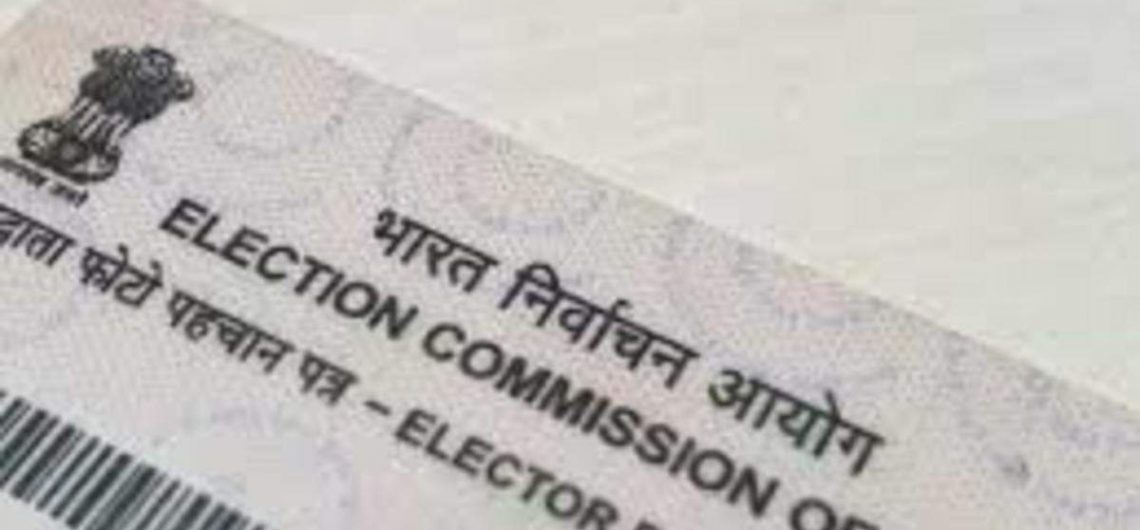
However, Indians are required to carry proper credentials issued by the Government of India, the Election Commission of India, etc.

Is Visa on Arrival/e-Visa Available in Nepal for Indians?

No, since Indian travellers do not require a visa to travel to Nepal, the need for a visa on arrival or E-visa also becomes redundant.


Indians can simply travel to Nepal with their passport or other applicable documents which are mentioned later in this article to gain entry to the country, be it the immigration centre at Kathmandu airport or elsewhere.

Do Indian Travellers Need to Possess a Passport to Visit Nepal?

Yes, it is vital for Indians travelling to Nepal to carry their valid passports. However, tourists who do not possess their passport for Nepal from India can produce a few other documents in its stead to enter the country. These documents are mentioned later in this article.

Documents Required for Indian Citizens to Enter Nepal

While Nepal visa requirements for Indian citizens is redundant, the undermentioned documents must be carried by Indians to gain entry.

  • Any photo-identity proof issued by Central/State/UT authorities.
  • A voter ID card issued by the Election Commission of India.
  • Emergency Certificate issued by the Indian Embassy in Kathmandu.

The following Nepal entry requirements for Indian citizens should also be noted carefully.

  • Indians aged above 65 years or below 15 years can enter Nepal by producing a photo-identity proof like PAN card, driving license, ration card, etc.
  • Indians between the age group of 15 and 18 years can enter Nepal using their Identity Certificate issued by the principal of their academic institution.

What are the Documents Required if You Enter by Road?

Indian citizens entering Nepal by road with their own vehicle need to submit the following documents, along with their proof of citizenship, at the Nepal border:

  • Registration certificate of the vehicle
  • Driving license
  • A Yaatayaat Anumati or vehicle permit
  • A Bhansar or customs permit

Nepal is much more to its numerous attractions. Having the most diverse culture, Nepal stands out to be the most beautiful landlocked country in the world. Famous for myriad mountains, luxuriant tea gardens, trekker’s paradise, artistic historical architectures, and Nepali Cuisine, Nepal has a lot to experience for.

Here, find some of the best places worth traveling in Nepal outside the capital city, Kathmandu. Have the best time traveling in Nepal.

Nagarkot:

Is a popular tourist resort of Nepal. It is situated 32 kilometers east of Kathmandu at an altitude of 2,175 m. above sea level. A panorama of the major peaks of eastern Nepal Himalayas including Sagarmatha (Mt. Everest 8848 M) can be seen from here. A magnificent sunrise and sunset can be enjoyed from here.

Kakani :

Located 29 kilometres north-west of the Kathmandu city, the fabulous holiday area of Kakani features attractions ranging from beautiful alpine scenery to the magnificent Himalayan panorama particularly of the Ganesh Himal massif. Other peaks that can be closely seen from Kakani are; Gaurishanker ( 7,134m.), Choba Bhamre ( 6,109m.), Manaslu ( 8,163m.), Himalchuli (7,893m.), Annapurna (8,091m.) and several other peaks.

Gosainkunda :

One of the most famous religious places of pilgrimage of Nepal is Gosainkunda lake, situated at an altitude of about 4360 m. The best approach to Gosainkunda is through Dhunche, 132 kilometres north east of kathmandu. Dhunche is linked with Kathmandu by a motorable road. Surrounded by high mountains on the north and the south, the Lake is grand and picturesque. There are other nine famous lakes such as Saraswati, Bhairav, Sourya and Ganesh Kunda, etc.

Dhulikhel:

This ancient town is situated 30 kilometres east of Kathmandu on the side of the Arniko Rajmarga (Kathmandu-Kodari Highway). From here one can have a complete panoramic view of the snowy ranges from Karyolung in the east to Himalchuli in the west.

Panauti:

It is a thriving village of the road to Dhulikhel, with some very lovely temples and interesting old houses, particularly beautiful area some fourteenth century wooden temple struts. The drive is through beautiful countryside.

Namo Buddha:

It is situated on a hill above Panauti. It requires an easy drive or good walk to get here. There is an amazing story concerned with the Buddha which is commemorated by an ancient stone slab and a Stupa with the all- seeing eyes of Lord Buddha.

Timal Narayan:

The route from Dhulikhel to Timal Narayan is ideal for a short trek. From here one can have a beautiful view of Gaurishanker Himal and other important peaks as well as Sunkoshi river. It is also very pleasant to visit the villages of the Tamang people who live in this area.

Palanchowk Bhagawati:

7 kilometres north of the mountain of Panchkhal, on the top of a hill lies the noted historic temple of Palanchowk Bhagawati. The temple houses a three feet long beautiful artistic stone image of Goddess Bhagawati.

Charikot:

About 133 kilometers from Kathmandu, Charikot provides a spectacular mountain view of the Gaurishanker. In the eastern upper part of Dolakha township there is a famous roofless temple of Dolakha Bhimsen.

Helambu:

Helambu situated about 72 kilometers north-east of Kathmandu is famous for its scenic grandeur and pleasant climate. There are many Buddhist monasteries amidst a rich and enchanting landscape. Sundarijal is the starting point to trek to Helambu which is mere 11 kilometers away from Kathmandu.

Gorkha:

Gorkha is the birth place of King Prithvi Narayan Shah- the Great, the founder of modern Nepal. Situated on a hill overlooking the snowy peaks of the Himalayas, there is a beautiful old palace known as Gorkha Durbar. It’s the first capital of Nepal. There are two attractive temples of Gorakhnath and Kali inside the palace precinct. Only Hindus are allowed inside the temple of Gorakhanath. Gorkha is very enjoyable, interesting and one of the hiostorical places.

Muktinath :

The famous temple of Lord Muktinath lies in the district of Mustang and is situated about 18 kilometers north east of Jomsom at an altitude of about 3,749 meters. The temple is situated on a high mountain range and is visited during fair weather. There are two ways to get to Muktinath from Kathmandu. Either to take a direct flight from Kathmandu via Pokhara to Jomsom and hike for a couple of hours via Kagbeni or to trek all the way from Pokhara. There is also air service from Pokhara to Jomsom.

The Muktinath valley is full of many natural and cultural attraction. Amongst them , the ” Muktinath Temple Complex” with various natural. Cultural and spiritual manifestations , is the canter attraction . In straight terms, Mukti means ” Salvation” & Nath is ” Lord “, ” Muktinath” therefore. Is the lord of “salvation” , & the valley, ” The salvation Valley”. A pagoda style ” Vishnu Temple ” lying amidst the sacred poplar groove dominates the temple complex. The Vishnu temple is a syambol of religious symbiosis between the Hindu &the Buddhists, of which later worship Vishnu as ” Avalokiteshvara . It is said, that the poplar groove grew of the walking sticks left here by the 84 grate magicians from India on their way to Tibet ”

There are 108 brass waterspouts, shaped in cow`s heads, along the courtyard of Vishnu temple. Those spouts are also associated with the 84 magicians. Each magician is belived to have ladled water to the spouts from the scared lake of Manasarowar,in western Tibet . A holy bathe under all these spouts is said to bring salvation !
Another attraction in the temple complex is the Jwala Mai Temple, Where the eternal flame gifted by Brahma burn is little caves. Among Buddhists, the temple is popular as Salamebar Dolamebar Gompa, the temple of the miraculous fire. The temple is situated south of the Vishnu temple.

Pokhara Valley :

The Pokhara Valley – one of the most picturesques spot of Nepal, is enhanced by its lovely lakes Phewa, Begnas, and Rupa. Situated 200 kilometers west of Kathmandu, Pokhara is connected by air as well or by bus from Kathmandu and Bhairahawa a border town near India. Situated at an altitude of 827 meters from the sea-level, Pokhara offers the magnificent views of Dhaulagiri, Manaslu, Machhapuchhre, five peaks of Annapurna and others. Pokhara’s numerouslakes, known as ‘tal’ in Nepali offer fishing, boating and swimming.

Sarangkot:

Sarangkot a stunning Himalayan Panorama visible from Sarangkot including: Hiunchuli, Annapurna I (8091m) Annapurna III 7,555m), Gangapurna (7,454m) & Machhapuchhare (fish tail) and Dhaulagiri (8167m).

Tansen:

Situated at an altitude of 1343 m. above sea level. Tansen is the most popular summer resort in western Nepal because of its position and climate. It has perhaps Nepal’s most far stretching views of the country’s chief attractions, the Himalayas from Dhaulagiri in the west to Gaurishanker in the north east. It takes just 4 hours by bus from Pokhara to reach Tansen.

Lumbini:

Lumbini is the birthplace of Lord Buddha, the apostle of peace, and nonviolence. It is situated 250 kilometers southwest of Kathmandu. The broken Ashokan pillar, remnants of an old monastery, images of Buddha’s mother Maya Devi, etc. are still preserved in Lumbini. It is accessible by air from Kathmandu to Bhairahawa. Also one can reach Lumbini in about 3 hours by bus or car from Tansen via Bhairahawa. From Kathmandu it takes about eight hours by bus or car.

Rapti Valley (Chitwan): From Kathmandu it takes six hours to reach Chitwan. Situated 120 kilometers southwest of Kathmandu, the main attraction of Chitwan is Royal Chitwan National Park. This is one of the Nepal’s largest forest regions with a wide range of wildlife- the rare great one horned rhinoceros, several species of deer, sloth bear, leopard, wild boar, fresh water dolphin, crocodile, more than 350 species of birds and the elusive Royal Bengal Tiger. Visitors to Chitwan may view game of elephant back excursions, nature walks, and canoe trips, from window and on Jungle treks. There are several authorized agencies to organize such safaris. Visitors may also take river raft trips, driving from Kathmandu to the river Trisuli or Seti Khola.

Daman:

It is situated 80 kilometers southwest of Kathmandu at an altitude of about 2,400 meters. Daman is located on the Tribhuvan Highway in between Kathmandu and the town of Birgunj. For the view of the breathtaking grandeur of the world’s highest peaks extending in one glittering are from far-west of Dhaulagiri to far-east of Sagarmatha (Mt. Everest) there is no better place than Daman. There is a view tower fitted with long-range telescopes. Daman can be reached in four hours from Kathmandu.

Barahachhetra :

A few kilometers from the main city of Biratnagar, Barahachhetra, the holy place of Hindu pilgrimage, lies at the confluence of the two rivers the Saptakoshi and Kokaha. There is the temple of Lord Baraha, the boar incarnation of Lord Vishnu. Historians have traced the existence of this image from the twelth century.

Hile :

It is situated about 13 kilometers north of Dhankuta Bazaar. The panorama of the major peaks of the eastern Himalayas including Sagarmatha (Mt.Everest) Makalu, Lhotse and Kumbhakarna.
Antu Danda : It is situated at an altitude of 1,677 m. in the llam district and is famous for its unique views of Everest and Kanchenjunga. It is the best place for viewings sunrise and sunset. There is a motorable road from llam to chhipitar.

Bandipur:

Bandipur is situated in between Kathmandu and Ppokhara at an altitude of about 2,000 meters. For the view of the breathtaking grandeur of the world’s highest peaks extending in one glittering are: Hiunchuli, Annapurna I (8091m) Annapurna III 7,555m), Gangpurna (7,454m) & Machhapuchhare (fish tail) and Dhaulagari (8167m) Manaslu. You will see very nice Gurung village.

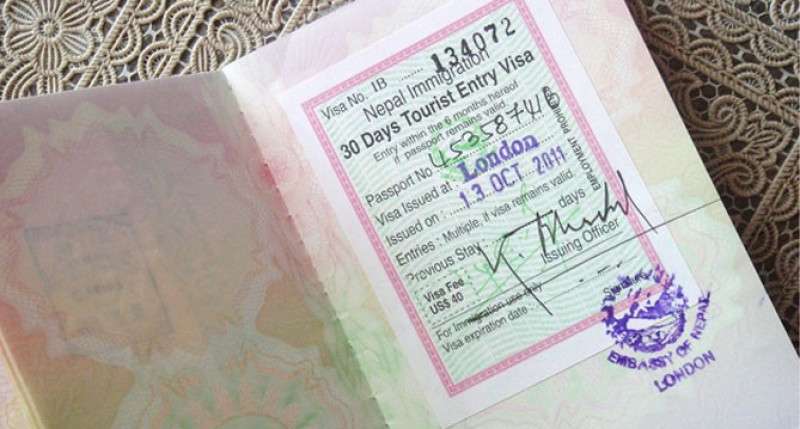
Planning to Nepal? Everyone needs a visa (except Indian nationals), but luckily it’s an easy process. Here’s the latest information on obtaining a tourist visa and how it works for visa-on-arrival. Once you land at the Tribhuvan International Airport, you can get the visa on arrival. Following certain regulations and formalities, you can get a visa for Nepal (90 days) in less than an hour.

Documents You Need for visa

Check your Passport.

Make sure that your passport is valid for six months within arrival in Nepal.

Passport Photos.

You only need a single photo for your visa application, but you’ll need a lot of them if you plan to go trekking and do other activities in Nepal. Keep your passport-size photos in person for accessibility. There are also photo booths at the airport in case you forget to bring. Keep at least 4 copies of your passport-size photos. Nepal visa photo size is not specified so just bring the regular passport size photo that you use in your country.

Immigration Papers (Arrival card).

Typically, you will get the immigration papers while on the plane before you land. Make sure to fill out these forms right away to pass immigration upon arriving.

Tourist Visa.

All foreigners entering Nepal, except Indians, require a visa. You can acquire a visa from the Nepali embassy in your country or upon arrival at the airport. Tourists visas are valid for 3-6 months within your travel to Nepal. Single entry visas are valid for 15/ 30 and 90 days which respectively costs $30, $50 and $125. You will get a multiple-entry visa.

Visa Application Process at the Airport

A lot of foreigners opt to get their Nepalese visa at the airport upon arrival. Bring your documents to the visa registration machines. Scan the barcode of your passport and take your photo. Get the slip of paper that the machine generates and bring this to the counter, along with the payment. Finally, have your passport stamped and get your visa.

Online Nepal Visa Application Form.

You can fill out the application form online at home before traveling to Nepal. You can visit this site to fill out your immigration papers: https://online.nepalimmigration.gov.np/tourist-visa and print the confirmation. You can submit the printed confirmation at the immigration desk. This is valid for 15 days only.

Extending Your Visa.

You can extend your Nepal visa for up to 150 days at the Immigration Department in Kathmandu or Pokhara. It costs $30 for 15 days and $2 per day after that. Usually, the turn-around is the same day, and you’ll need to submit your passport, extension fee, one photo, and the application extension form to complete the process.


Permits.

Many remote rural areas, especially those close to the Tibet border, require a restricted area permit. This applies to those trekking in the Manaslu, Mustang, Nar-Phu, Tsum Valley, Dolpo, Humla and Kanchenjunga regions. Permits range from US$10 to US$500 per week and you will need the help of a registered trekking agency to secure one.

Final Notes.

In the arrivals’ hall, you’ll find electronic registration machines that read your passport, take your photo, and print out a completed form to submit to immigration. Be sure to have the following items handy:

  • Cash to pay the visa fee (USD is best, especially at land crossings, but you can also pay with EUR, CHF, GBP, AUD, CAD, HKD, SGD, and JPY).
  • A passport that is valid for at least six months.

Please note that the following nationalities cannot obtain a visa-on-arrival:
AFG, IRQ, CMR, GHA, SOM, SWZ, PSE, ZWE, NGA, ETH, and LBR.


Asia has so many amazing parts to it – as well as the beauty of Nepal, there’s also the bright metropolis of Singapore, the ancient traditions of Japan, or the countryside of the Philippines. Each country offers a once-in-a-lifetime experience to reward visitors who go off the well-beaten tourist tracks of these places. Here’s how you can do that in three of our best picks of Asia.


Singapore – take a tour at night

This small country encapsulates what modern Asia is all about: sleek, modern buildings, stunning structures and bright lights. When is it best to see the bright lights? At night, of course!

Take a river cruise and see the city from the water, or explore the Marina Bay area – which really comes alive once the sun sets. If there’s one place you go to after dark, though, it’s the Gardens by the Bay.

This is where you can stare up in awe at the Supertree Grove with its beautiful plants and light displays, then wander through the calming gardens after a day of sightseeing. You can maybe pop in to the Flower Dome for its continuous spring-like conditions that present visitors with bright blooms.

Japan – make traditional foods

If you think of Japan, you may have an image of buzzing cities, something kawaii or even the beautiful cherry blossoms in spring. Great though those images may be, you just can’t take that feeling back home with you when your trip comes to an end. What if you could?

Nothing gets our memories going more than a smell or taste of a meal that we’ve had before. It takes us back to that time and place, so going for a cooking class means you can try and recreate the experience when you’re back home. You can also get to learn more about the traditional Japanese culture through making your food and from your host.

You can book classes to make any of the local delicacies, from sushi to noodles to gyoza (dumplings). They can be booked in most of the larger, popular tourist towns and cities of Japan.


Philippines – see the rainforest

The capital city, Manila, can get hot and busy so it might not be for everyone at first, but it’s worth the trip because it’s a fantastic base to explore this gorgeous country.

One must-do experience is to visit the Masungi Georeserve. It’s just over an hour’s drive from Manila, but the views you get when you arrive (and on the road journey there) are more than worth it.

Make sure you take a sturdy pair of boots when you go; there are rope courses on the main trail, as well as a hanging bridge, and the terrain is not for the faint-hearted. Yet the adventure of trekking through this rainforest, and the reward you’ll get as you reach the summit of each peak and obstacle, will give you memories that will stay with you for a lifetime.