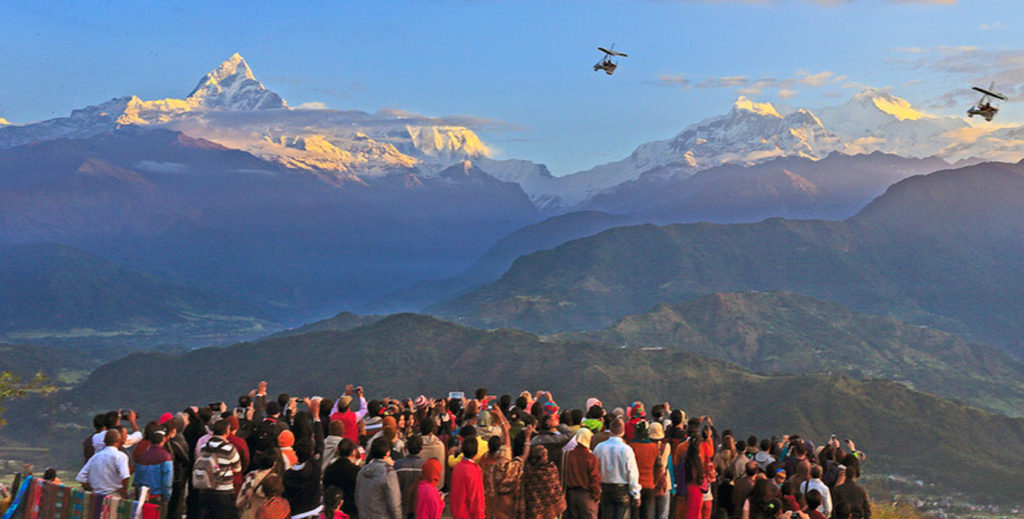
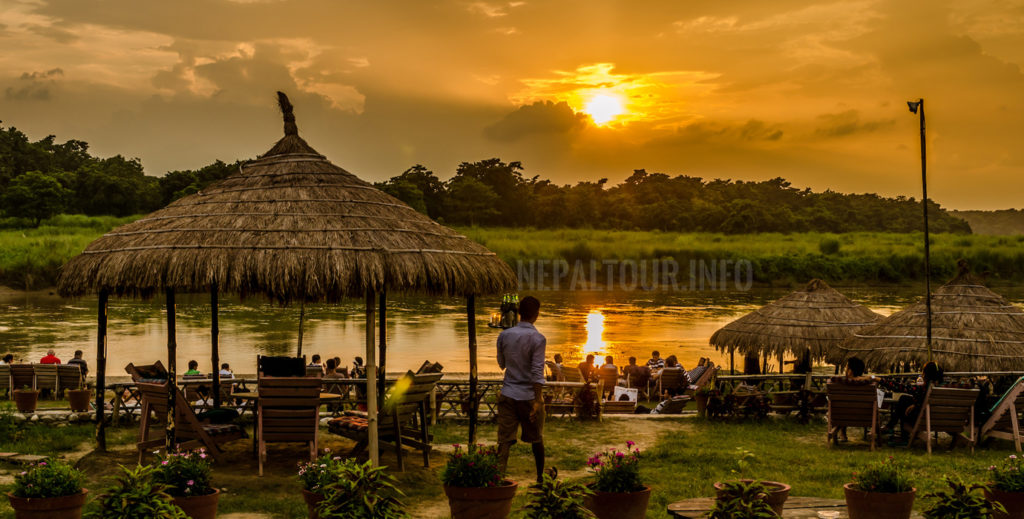
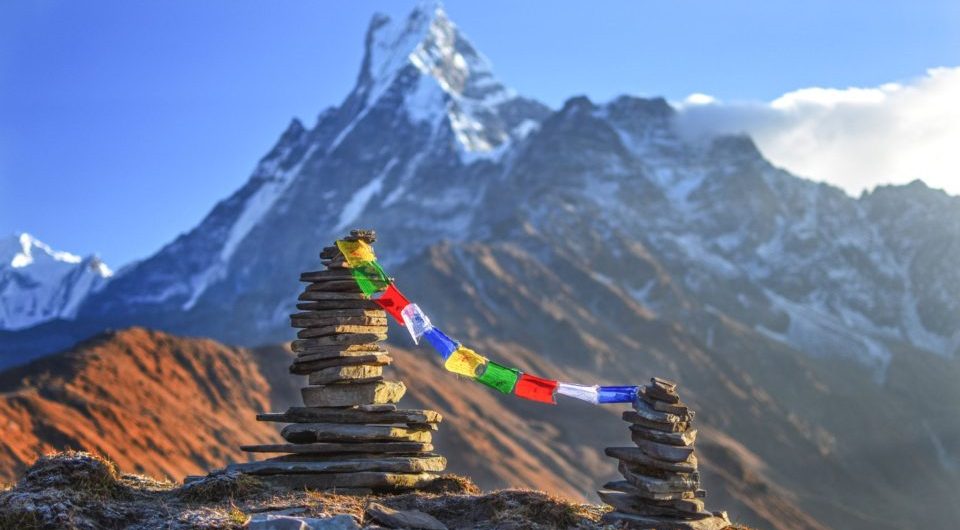
Nepal is the one of the best travel destinations. Nepal combines Himalayan views, golden temples, charming hill villages and jungle wildlife watching to offer one of the world’s great travel destinations. One of the writers of Lonely Planet described Nepal as a place where ‘there is always another adventure,’ and one couldn’t agree more. Nepal is full of opportunities, not only those that deal with adventure but in every aspect, right from pilgrimage to sightseeing. This bustling tourist destination is something that can push your limits, surprise you sometimes and make you fall in love with it on several occasions. However, to get the best of this country may need a few trips but one can still manage to stuff one visit with multiple hues of Nepal if planned right. Here are the top trekking regions to visit and things to do in this ethereal country that can make each trip of yours here memorable.
Everything you need for travel to Kathmandu. Kathmandu itinerary includes travel tips, costs, how to get around, and how to spend a days in Kathmandu, Nepal.
Kathmandu Valley represents a cultural meeting point in the region. The valley’s profound mystic culture and lifestyle is based on a unique amalgamation. Hinduism and Buddhism as well as many other faiths and belief systems. Kathmandu Valley, the cultural and commercial hub of Nepal, contains three fabled cities – Kathmandu, Patan and Bhaktapur.
Kathmandu is packed full of important religious shrines, temples, relics from history, and places to eat and sleep on the cheap. Kathmandu is famous among international tourists for a mix of culture, history, spirituality, and adventure. It’s not just one thing—it’s the whole experience packed into one valley.
Each has an artistic exposition of graceful temples, elegant palaces, brick-paved courtyards and quaint streets. Multi roofed temples, exquisite monasteries, stone carvings and wooden carvings. The Kathmandu valley holds a considerably high number of places recognized by UNESCO as World Heritage Sites.
Kathmandu is a city with no shortage of awesome things to do. Kathmandu is not overflowing with pristine historical sites like cities in Europe. Apart from cultural sites, shrines, and temples, there is plenty of tasty food to try, haggling to be done, and optional day trips to areas outside of Kathmandu. Here is links to of the things to do in Kathmandu to get your ideas flowing.
Kathmandu Itinerary is very suitable for the people who have short time and love the nature and mountain views staying very close to the capital of Nepal. As you are walking over the hills, you will have the stunning view of Mountains, sunrise / sun set over the Himalayas and the rural villages, people and their local lifestyles.
What is the best time to visit Kathmandu?
Every season in Kathmandu, Nepal, has something to offer, making it one of the places which can be explored at any time of the year!. October to December, however, remains the best time to visit Kathmandu because of the views of pristine glaciers and skies. During these months, the place remains dry and suitable for exploration and trekking.
The temperature in October ranges from 26 degrees Celsius to 14 degrees Celsius, and as December approaches, it drops to the range of 20 degrees Celsius to 4 degrees Celsius. During these suitable months for visiting Kathmandu, you can also witness and indulge in various festivals that are celebrated.
Kathmandu is also best visited in March and April as the temperature steadily rises and spring steps in! During this season, rhododendrons bloom, spreading across the whole valley, giving it a beautiful, mesmerising look!
A 2-day tour in Kathmandu is a great way to experience Nepal’s culture, history, and spiritual atmosphere. Nepal is a land of majestic Himalayas, rich culture, ancient cities, and serene villages — and you don’t need a long holiday to experience its charm. Even a 2-day tour can offer unforgettable moments, from panoramic mountain views to UNESCO heritage sites and traditional village life. Kathmandu, the capital city of Nepal, is a fascinating blend of ancient history, living culture, spirituality, and natural beauty. Even with limited time, a 2 days tour in Kathmandu Nepal allows travelers to experience the city’s most iconic landmarks, vibrant traditions, and nearby scenic hill stations. Designed for first-time visitors and short-stay travelers, these tours offer a perfect balance of heritage sightseeing, Himalayan views, and cultural immersion. Kathmandu Kakani Tour (2 Day) The 2 Day Kakani Tour is the ultimate Kathmandu escape for travelers seeking a short yet rewarding adventure close to the capital. Ideal for nature lovers, photographers, and those wanting a peaceful break from city life, Kakani offers breathtaking mountain views, fresh hill air, and scenic landscapes—all within easy reach of Kathmandu Valley. Kakani is one of the most popular hill stations and viewpoints inside the Kathmandu Valley. Located about 26 kilometers northwest of Kathmandu, it can be reached in approximately one and a half hours by road, making it an excellent choice for a short tour or weekend getaway. Situated at an elevation of 2,030 meters (6,060 feet), Kakani rewards visitors with heart-touching panoramic views of the Himalayas. On clear days, you can witness the majestic peaks of Annapurna (8,091 m), Manaslu (8,165 m), Ganesh Himal (7,446 m), and Langtang Lirung (7,245 m) stretching across the northern horizon. From this vantage point, you can also enjoy a sweeping view of the Kathmandu Valley below.
A 2-day tour in Kathmandu is a great way to experience Nepal’s culture, history, and spiritual atmosphere.
Nepal is a land of majestic Himalayas, rich culture, ancient cities, and serene villages — and you don’t need a long holiday to experience its charm. Even a 2-day tour can offer unforgettable moments, from panoramic mountain views to UNESCO heritage sites and traditional village life.
Kathmandu, the capital city of Nepal, is a fascinating blend of ancient history, living culture, spirituality, and natural beauty. Even with limited time, a 2 days tour in Kathmandu Nepal allows travelers to experience the city’s most iconic landmarks, vibrant traditions, and nearby scenic hill stations. Designed for first-time visitors and short-stay travelers, these tours offer a perfect balance of heritage sightseeing, Himalayan views, and cultural immersion.
Kathmandu Kakani Tour (2 Day)
The 2 Day Kakani Tour is the ultimate Kathmandu escape for travelers seeking a short yet rewarding adventure close to the capital. Ideal for nature lovers, photographers, and those wanting a peaceful break from city life, Kakani offers breathtaking mountain views, fresh hill air, and scenic landscapes—all within easy reach of Kathmandu Valley.
Kakani is one of the most popular hill stations and viewpoints inside the Kathmandu Valley. Located about 26 kilometers northwest of Kathmandu, it can be reached in approximately one and a half hours by road, making it an excellent choice for a short tour or weekend getaway.
Situated at an elevation of 2,030 meters (6,060 feet), Kakani rewards visitors with heart-touching panoramic views of the Himalayas. On clear days, you can witness the majestic peaks of Annapurna (8,091 m), Manaslu (8,165 m), Ganesh Himal (7,446 m), and Langtang Lirung (7,245 m) stretching across the northern horizon. From this vantage point, you can also enjoy a sweeping view of the Kathmandu Valley below.
One of the unique attractions of the Kakani tour is its natural beauty throughout the seasons. During late winter and spring, the hills come alive with wild rhododendron forests in full bloom, painting the mountain slopes in vibrant shades of red and pink. These colorful blossoms add a special charm to the landscape and make the tour particularly attractive for nature enthusiasts and photographers.
The 2-day Kakani tour usually includes gentle hikes, village walks, sunrise and sunset views, and an overnight stay in a peaceful hill environment. It is a perfect blend of soft adventure, scenic beauty, and relaxation, offering a refreshing experience without the need for long travel or strenuous trekking.
In short, the Kakani tour is an excellent choice for travelers who want to experience Himalayan views, hill-station serenity, and natural beauty in a short and comfortable trip from Kathmandu.
Kathmandu Kakani 2 Days Itinerary:
Day 1: Drive Kathmandu to Kakani, Uphill Hiking to Kakani – 3 Hrs drive / 2 hours hiking
Day 2: Drive back Kakani to Kathmandu
Kathmandu Kakani 2 Days Price:
USD 160 / per person (2 persons minimum to book) where includes: 1 night twin sharing accommodation in Kakani with bed and breakfast plan, all ground transportation, 1 guide, all foods for official staff.
Kathmandu Nagarkot Tour (2 Days)
The Kathmandu Nagarkot Tour (2 Days) is one of the most popular short tours in Nepal, perfectly combining ancient culture, UNESCO World Heritage sites, and breathtaking Himalayan views.
This tour is ideal for travelers with limited time who still want to experience the true essence of Nepal—its history, landscapes, and mountain scenery.
Located about 32 kilometers east of Kathmandu, Nagarkot is a famous hill station known for its spectacular sunrise and sunset views over the Himalayas. Sitting at an altitude of 2,175 meters, Nagarkot offers a peaceful escape from the busy city and is one of the best viewpoints inside the Kathmandu Valley.
Kathmandu Nagarkot Tour Itinerary:
Day 1: Kathmandu Sightseeing & Drive to Nagarkot
Your journey begins with sightseeing in Kathmandu Valley, home to several UNESCO World Heritage Sites. Depending on your interests, visits may include Kathmandu Durbar Square, Swayambhunath (Monkey Temple), Pashupatinath Temple, or Boudhanath Stupa—each offering a deep insight into Nepal’s rich cultural and spiritual heritage.
In the afternoon, you will drive to Nagarkot, enjoying scenic countryside views along the way. Upon arrival, relax and witness a beautiful sunset over the Himalayan range if the weather is clear. The peaceful hill atmosphere makes Nagarkot a perfect place for an overnight stay.
Day 2: Nagarkot Sunrise & Bhaktapur Tour
Early in the morning, experience the highlight of the tour —a magnificent sunrise over the Himalayas. On clear days, you can see peaks such as Langtang, Ganesh Himal, Manaslu, and even Mount Everest in the far distance.
After breakfast, the tour continues toward Bhaktapur Durbar Square, a well-preserved medieval city famous for its Newari architecture, ancient temples, pottery squares, and traditional culture. Walking through Bhaktapur feels like stepping back in time.
After sightseeing, you will return to Kathmandu, concluding a memorable 2-day journey.
Kathmandu Nagarkot 2 Days Price:
USD 150 / per person (2 persons minimum to book) where includes: 1 night twin sharing accommodation in Nagarkot with bed and breakfast plan, all ground transportation, 1 guide, all foods for official staff, Nagarkot entrance ticket.
Kathmandu Dhulikhel Tour (2 Days)
The Kathmandu Dhulikhel Tour (2 Days) is one of the most popular short tours in Nepal, offering a perfect blend of spectacular Himalayan views, rich Newari culture, and peaceful hill-station charm. This tour is ideal for travelers looking to relax close to Kathmandu while enjoying breathtaking mountain panoramas and cultural exploration.
The Kathmandu Dhulikhel package tour offers superb views of the Himalayan giants, including Mount Everest (8,848 m), Langtang Lirung (7,246 m), Gaurishanker (7,145 m), Ganesh Himal (6,704 m), and the majestic Rolwaling Himalayan range. Along with the mountain scenery, visitors are rewarded with views of beautiful terraced fields, traditional villages, and a peaceful countryside atmosphere.
Kathmandu Dhulikhel Tour Itinerary:
Day 01: Kathmandu – Dhulikhel (Sightseeing & Mountain Views)
Altitude: 1,550 m Distance: ~30 km Drive: 1.5–2 hours
After breakfast, depart from Kathmandu and drive east toward Dhulikhel via the Arniko Highway (Kathmandu–Lhasa Highway). The scenic drive offers views of countryside landscapes, terraced fields, and traditional villages.
Upon arrival in Dhulikhel, check in to your hotel and enjoy lunch. In the afternoon, explore this ancient Newari town, known for its cultural richness and traditional architecture. Walk through old stone houses, temples, courtyards, and cobbled streets, gaining insight into authentic Newari lifestyle and heritage.
Later, visit the Dhulikhel View Tower or hill viewpoints to enjoy spectacular sunset views over the Himalayas. On clear days, you can see Mount Everest, Langtang Lirung, Gaurishanker, Ganesh Himal, and the Rolwaling range.
Overnight stay at a hotel in Dhulikhel.
Day 02: Dhulikhel – Namobuddha – Bhaktapur – Kathmandu
Hiking Time: 3–4 hours Drive: ~2–3 hours (total)
Early in the morning, enjoy a sunrise view over the Himalayan peaks from Dhulikhel. After breakfast, begin a scenic hike to Namobuddha, one of the most sacred Buddhist pilgrimage sites in Nepal.
The hike passes through terraced farmlands, traditional villages, and peaceful countryside, offering a rewarding cultural and natural experience. Upon reaching Namobuddha Monastery, explore the monastery complex and enjoy its tranquil spiritual atmosphere.
After lunch, drive to Bhaktapur Durbar Square, a UNESCO World Heritage Site. Explore the medieval city, famous for its ancient palaces, pagoda-style temples, pottery squares, and Newari art and culture.
In the late afternoon, return to Kathmandu, marking the end of the Kathmandu Dhulikhel Tour (2 Days).
Kathmandu Dhulikhel Tour Price:
USD 150 / per person (2 persons minimum to book) where includes: 1 night twin sharing accommodation in Dhulikhel with bed and breakfast plan, all ground transportation, 1 guide, all foods for official staff.
Kathmandu Balthali Village Tour (2 Days)
Kathmandu Balthali Village Tour caters your interest of exploring richness in cultures, heritage sites, traditions, rituals and festivals that has been followed since centuries ago. This short and sweet tour can also be joined before or after your trekking in Nepal schedules. It would be a great opportunity for any travel lover looking forward to have amazing delightful holiday in Nepal.
We start our journey after your arrival at Kathmandu and go for a short drive towards Balthali Village. In the next morning Balthali hike, explore the village, sightseeing around monasteries, discover beautiful panauti village and drive back towards Kathmandu.
Being short and easy tour, it can be embarked by all regardless fitness level, weather, altitudes and other issues. Join Kathmandu Balthali Village Tour during anytime of the year with Nepal Tours. Contact us now for booking and further inquiries.
Kathmandu Balthali Tour 2 Days Itinerary:
Day 01: Drive Kathmandu to Bhakatapur Sightseeing and Drive to Balthali – 5 hours
Day 02: Balthali Village hiking to Panauti and then drive to Kathmandu. – 2 hours hiking / 3 hours drive
Kathmandu Balthali Tour Price:
USD 210 / per person (2 persons minimum to book) where includes: 1 night twin sharing accommodation in Balthali with bed and breakfast plan, all ground transportation, 1 guide, all foods for official staff.
Kathmandu Chisapani Trek – 2 Days
Real Kathmandu Tour
Kathmandu Chisapani Nagarkot Trek is a short and sweet trip of 2 days tea house trek around Kathmandu and can be extended to Dhulikhel and Namo Buddha for another 1-2 days. This short trek plan is designed for the short time travelers in Nepal who would like to taste of Nepal. Chisapani Nagarkot Trek starts from Sundarijal after driving 45 minutes from Kathmandu.
In the beginning the trail pierces Shivapuri National Park passing through a big watershed that provides 40 percent drinking to Kathmandu Valley. Chisapani Nagarkot Trek offers beautiful nature and village walk experience, natural environment, stunning Himalaya panorama of Manaslu, Ganesh Himal, Langtang Himal, Gaurishankar Himal and even we can spot Mount Everest in far distance.
Being short and easy tour, it can be embarked by all regardless fitness level, weather, altitudes and other issues. Join Kathmandu Chisapani Trek during anytime of the year with Nepal Tours. Contact us now for booking and further inquiries.
Kathmandu Chisapani Trek 2 Days Itinerary:
Day 1: Drive Kathmandu to Sundarijal and hiking to Chisapani (2115m) – 5 Hrs
Day 2: Trek Chisapani to Chauki Bhanjyang and drive to Kathmandu – Hiking 5 hours / 3 hours driving
Kathmandu Chisapani 2 Days Price:
USD 190 / per person (2 persons minimum to book) where includes: 1 night twin sharing accommodation in chisopani with bed and breakfast plan, all ground transportation, 1 guide, all foods for official staff, shivapuri national park fee.
Conclusion
Kathmandu is not only the cultural and historical heart of Nepal but also a perfect gateway to short tours and scenic hiking adventures. Surrounded by green hills, traditional villages, ancient monasteries, and Himalayan viewpoints, the Kathmandu Valley offers excellent options for 2 days tours and hiking that combine nature, culture, and soft adventure.
A 2-day tour and hike around Kathmandu is ideal for travelers who want to escape the city without committing to long treks. These trips are easy, accessible, and rewarding, offering breathtaking mountain views, peaceful forests, and authentic village life—all within a few hours’ drive from the capital.
Choosing the right travel company can make all the difference in how you experience Nepal. When it comes to a 2-day tour and hike around Kathmandu, Nepal Tours stands out for its local expertise, personalized service, safety standards, and deep cultural knowledge. Whether you are visiting Nepal for the first time or looking for a short escape from the city, traveling with Nepal Tours ensures a smooth, memorable, and enriching journey.
The Annapurna Region of Nepal stands as one of the most captivating mountain landscapes on Earth, drawing trekkers, climbers, and nature lovers from across the globe. Nestled in the north-central part of the country, this region forms a natural amphitheater of towering Himalayan peaks, deep valleys, ancient villages, and diverse ecosystems. At its heart rises Annapurna I, soaring to 8,091 meters, the tenth-highest mountain in the world and the crown jewel of the Annapurna massif. Surrounding it are numerous other peaks—many above 7,000 and 6,000 meters—creating a dramatic skyline that defines the region’s identity. What sets the Annapurna Region apart is not just its towering mountains, but the remarkable variety of landscapes packed into a relatively accessible area. Within just a few days of trekking, one can travel from lush subtropical forests to alpine meadows and eventually to high-altitude desert terrain reminiscent of the Tibetan plateau. The Kali Gandaki Gorge, which slices between the Annapurna and Dhaulagiri ranges, is considered one of the deepest gorges in the world, adding to the region’s dramatic geographical character. The Annapurna Circuit is perhaps the most famous trekking route in the region and is often ranked among the greatest long-distance treks in the world. Traditionally taking around two to three weeks to complete, the circuit encircles the Annapurna massif, offering an ever-changing panorama of landscapes and cultures. One of its most challenging and rewarding sections is the crossing of Thorong La Pass at 5,416 meters, where trekkers are rewarded with sweeping views of snow-capped peaks and vast high-altitude terrain. For those with less time, shorter routes such as the Annapurna Base Camp trek or the Ghorepani Poon Hill trek provide equally stunning experiences in a condensed timeframe. Beyond its natural beauty, the Annapurna Region is equally rich in cultural heritage. The trails pass through
The Annapurna Region of Nepal stands as one of the most captivating mountain landscapes on Earth, drawing trekkers, climbers, and nature lovers from across the globe.
Nestled in the north-central part of the country, this region forms a natural amphitheater of towering Himalayan peaks, deep valleys, ancient villages, and diverse ecosystems. At its heart rises Annapurna I, soaring to 8,091 meters, the tenth-highest mountain in the world and the crown jewel of the Annapurna massif.
Surrounding it are numerous other peaks—many above 7,000 and 6,000 meters—creating a dramatic skyline that defines the region’s identity.
What sets the Annapurna Region apart is not just its towering mountains, but the remarkable variety of landscapes packed into a relatively accessible area. Within just a few days of trekking, one can travel from lush subtropical forests to alpine meadows and eventually to high-altitude desert terrain reminiscent of the Tibetan plateau.
The Kali Gandaki Gorge, which slices between the Annapurna and Dhaulagiri ranges, is considered one of the deepest gorges in the world, adding to the region’s dramatic geographical character.
The Annapurna Circuit is perhaps the most famous trekking route in the region and is often ranked among the greatest long-distance treks in the world. Traditionally taking around two to three weeks to complete, the circuit encircles the Annapurna massif, offering an ever-changing panorama of landscapes and cultures.
One of its most challenging and rewarding sections is the crossing of Thorong La Pass at 5,416 meters, where trekkers are rewarded with sweeping views of snow-capped peaks and vast high-altitude terrain. For those with less time, shorter routes such as the Annapurna Base Camp trek or the Ghorepani Poon Hill trek provide equally stunning experiences in a condensed timeframe.
Beyond its natural beauty, the Annapurna Region is equally rich in cultural heritage. The trails pass through traditional villages inhabited by Gurung, Thakali, and Manangi communities, each with their own distinct languages, customs, and architectural styles.
Stone-built houses, terraced farmlands, fluttering prayer flags, and centuries-old monasteries create an atmosphere that feels both timeless and deeply spiritual. The sacred site of Muktinath, visited by both Hindus and Buddhists, highlights the region’s role as a place of pilgrimage and cultural convergence.
Another remarkable feature of the Annapurna Region is its biodiversity. It lies within the Annapurna Conservation Area, Nepal’s largest protected region, which supports a wide range of plant and animal life.
From dense forests of rhododendron—the national flower of Nepal—to rare wildlife such as the snow leopard and Himalayan tahr, the ecological richness here is extraordinary.
Seasonal changes further enhance the experience, with spring bringing vibrant blooms and autumn offering crisp skies and clear mountain views.
Accessibility is one of the reasons for the region’s enduring popularity. The city of Pokhara serves as the main gateway, with many trekking routes beginning just a short drive away.
Unlike more remote Himalayan destinations, the Annapurna Region offers a well-developed trekking infrastructure, including teahouses, lodges, and clearly marked trails. This allows both seasoned adventurers and first-time trekkers to explore the mountains with relative ease and comfort.
Ultimately, the Annapurna Region is more than just a trekking destination—it is a journey through nature, culture, and personal endurance. Whether standing beneath the towering peaks at base camp, watching the sunrise paint the mountains gold from Poon Hill, or sharing stories with locals in a quiet village teahouse, every moment in Annapurna leaves a lasting impression.
It is a place where the grandeur of the Himalayas meets the warmth of human tradition, creating an experience that is as profound as it is unforgettable.
Main Attraction of Annapurna Region
Biggest Conservation Area of Nepal
World 10th highest mountain in the world – Annapurna I and world Seven highest mountain Dhaulagiri
World Highest Lake (Tilicho Lake)
Best View of Annapurna Range
Old and Historical Monasteries, Stupa and Temples.
Kali Gandaki, deepest gorge in the world.
Annapurna Circuit, one of the world’s classic long-distance hiking trails.
Muktinath Temple, sacred place to both Hindus and Buddhists.
Flora & Fauna in Annapurna Region:
Nepal boasts some of the most spectacular scenery in Asia, along with an exceptional diversity of flora and fauna. Across its dramatic range of landscapes, the country encompasses nearly every type of vegetation—from the barren, treeless steppes of the Trans-Himalayan north to forests of birch, silver fir, larch, and hemlock in the high valleys.
Descending further, one finds oak, pine, and rhododendron at mid-altitudes, and the extensive sal and sissau forests of the southern lowlands.
Ethnic Communities in Annapurna Region:
Annapurna region is the home to over 150,000 inhabitants from over 10 ethnic groups (Tibet- Burmese:-Gurung, Thakali, Bhotia, Ethnic Tibetan, and Magar; Manangi and Indo Aryan; Brahmin, Kshetri, Kami, Damai and Sarki), of which ethnic backgrounds have ruined a livelihood out of its gentle hillside.
Permits and Fees in Annapurna Region:
There are two types of trekking permit required by anyone wishing to trek the Annapurna region.
Trekkers Information Management System (TIMS)
TIMS or Trekkers Information Management System is a must for every trekker wishing to trek in Nepal. This is a basic permit implemented jointly by Nepal Tourism Board (NTB) and Trekking Agencies Association of Nepal (TAAN) to ensure the safety and security of every trekker wishing to trek in Nepal.
Cost: TIMS permit: 1,000 NPR (Approx. US $10)
Annapurna Conservation Area Entry Permit (ACAP):
The Annapurna region was gazette a conservation area by the government of Nepal in 1992 and is the largest protected area in Nepal. Every trekker wishing to trek in the Annapurna region needs to purchase ANCAP or Annapurna Conservation Area Entry Permit. The Annapurna Conservation area is located across Manang, Myagdi, Lamjung, Mustang districts of Nepal. It was established with the aim of creating a sustainable economic and social development to benefit the local people of the region. It is managed by the National Trust for Nature Conservation. Some portion of the cost for the ANCAP goes to the trust for the conservation of this beautiful region.
Cost
ACAP try permit fee for foreigners: 3,000 NPR (Approx. US $25)
ACAP entry permit fee for SAARC Nationals: NRs. 1,000 (including tax),
Note: Any individual trekker below the age of 10 doesn’t require purchasing this permit.
When is the best time to go?
The best weather for trekking in the Annapurna region is during autumn (September to November) and spring (March-May). The skies are clear then and you will get a chance to enjoy some outstanding views of the Annapurna’s and Dhaulagiri peaks. Keep in mind that even though it is not monsoon season anymore it will be much warmer and humid in the lower regions (jungle) and you still may encounter an unexpected shower or two. It will also be much cooler above 3500m. Even though it’s not technically winter you will need warm clothes and a down jacket.
Weather and Temperature in Annapurna Region:
On the lower regions of the Annapurna Circuit trek, the weather is generally warm. The days have an average temperature of 15 degrees Celsius. The nights are slightly colder at 7-8 degrees Celsius. The higher altitudes are colder. Recommend to see the weather forecast before to leave the trek.
Annapurna region after Earthquake
The Annapurna Region experienced significant impacts following the 2015 Nepal earthquake, a devastating disaster that struck central Nepal and reshaped both landscapes and livelihoods. Although the epicenter was located in the Gorkha district, the effects rippled across popular trekking areas, including parts of the Annapurna region.
In the immediate aftermath, several trekking routes were temporarily closed due to landslides, damaged trails, and safety concerns. Sections of the Annapurna Circuit, especially around Manang and lower valleys, saw trail disruptions, while some villages suffered structural damage to homes, lodges, and cultural sites. However, compared to regions like Langtang, the Annapurna area was relatively less devastated, allowing for a quicker recovery.
One of the major concerns was the safety of trekkers and the stability of mountain terrain. Landslides and avalanches altered certain paths, and trekking infrastructure required careful inspection and rebuilding. Local communities, many of whom depend heavily on tourism, faced economic hardship as visitor numbers dropped sharply in the months following the earthquake.
Despite these challenges, recovery efforts were swift and determined. With support from the Nepalese government, international organizations, and local communities, trails were repaired, teahouses were rebuilt, and safety measures were improved. By late 2015 and into 2016, many of the major trekking routes—including the Annapurna Circuit and Annapurna Base Camp—had reopened and were once again welcoming visitors.
The rebuilding phase also brought improvements. In some areas, infrastructure was reconstructed with greater resilience, and awareness of disaster preparedness increased. Communities became more organized in managing tourism and responding to natural risks, helping to strengthen the region for the future.
Today, the Annapurna Region has largely recovered and continues to be one of Nepal’s most popular trekking destinations. Visitors can once again experience its stunning landscapes, rich culture, and well-established trekking routes, while also witnessing the resilience and strength of the local people who rebuilt their lives after the earthquake.
Nepal is one of the world’s richest countries in cultural and religious heritage, despite its small geographical size. Its monuments reflect a unique blend of Hindu, Buddhist, and indigenous traditions shaped over centuries by powerful dynasties, skilled artisans, monks, and traders. Many of these sites are recognized as UNESCO World Heritage Sites, while others are nationally protected monuments of historical and cultural significance. Nepal’s heritage sites are not merely historical structures—they are living symbols of faith, art, and civilization. From ancient temples and royal palaces to sacred stupas and pilgrimage destinations, the country stands as a vibrant crossroads of South Asian culture and spirituality. Preserving and properly managing these heritage sites, including their entry fee systems, is essential for safeguarding Nepal’s legacy for future generations. Entry fees are required to access most heritage sites, museums, and protected monuments and are collected at designated entry points. A system of differential pricing is applied, with separate rates for Nepali citizens, SAARC nationals, and other international visitors. Entry Fees for Sites in Kathmandu Valley Site Foreign Nationals SAARC Nationals Chinese Nepalese Contact Number Remarks Kathmandu Durbar Square including Tribhuvan Museum NPR 1000 NPR 500 (BIMSTEC) NPR 1000 Free 01-5368969 01-5369452 Below 10 years free National Museum, Chauni, Kathmandu NPR 150 (NPR 100 for camera, NPR 200 for video camera) NPR 50 (NPR 75 for camera, NPR 150 for video camera) NPR 150 (NPR 100 for camera, NPR 200 for video camera) Students:NPR10; Others: NPR 25 (NPR 50 for camera and NPR100 for video camera) 01-4271504 01-4271478 Closed on Tuesdays and Public Holidays. Open for half day on Mondays from (10:30 am to 2 pm) Patan Durbar Square including Patan Museum NPR 1,000 NPR 250 (BIMSTEC) NPR 1,000 Students with letter from school : NPR 10; Student Card Discount: NPR15; Others: NPR30 Entry fees
Nepal is one of the world’s richest countries in cultural and religious heritage, despite its small geographical size. Its monuments reflect a unique blend of Hindu, Buddhist, and indigenous traditions shaped over centuries by powerful dynasties, skilled artisans, monks, and traders. Many of these sites are recognized as UNESCO World Heritage Sites, while others are nationally protected monuments of historical and cultural significance.
Nepal’s heritage sites are not merely historical structures—they are living symbols of faith, art, and civilization. From ancient temples and royal palaces to sacred stupas and pilgrimage destinations, the country stands as a vibrant crossroads of South Asian culture and spirituality.
Preserving and properly managing these heritage sites, including their entry fee systems, is essential for safeguarding Nepal’s legacy for future generations.
Entry fees are required to access most heritage sites, museums, and protected monuments and are collected at designated entry points. A system of differential pricing is applied, with separate rates for Nepali citizens, SAARC nationals, and other international visitors.
Entry Fees for Sites in Kathmandu Valley
Site
Foreign Nationals
SAARC Nationals
Chinese
Nepalese
Contact Number
Remarks
Kathmandu Durbar Square including Tribhuvan Museum
NPR 1000
NPR 500
(BIMSTEC)
NPR 1000
Free
01-5368969
01-5369452
Below 10 years free
National Museum, Chauni, Kathmandu
NPR 150 (NPR 100 for camera, NPR 200 for video camera)
NPR 50 (NPR 75 for camera, NPR 150 for video camera)
NPR 150 (NPR 100 for camera, NPR 200 for video camera)
Students:NPR10; Others: NPR 25 (NPR 50 for camera and NPR100 for video camera)
01-4271504
01-4271478
Closed on Tuesdays and Public Holidays. Open for half day on Mondays from (10:30 am to 2 pm)
Patan Durbar Square including Patan Museum
NPR 1,000
NPR 250
(BIMSTEC)
NPR 1,000
Students with letter from school : NPR 10; Student Card Discount: NPR15; Others: NPR30
Entry fees for Nepalese are applicable only for Patan Museum
Patan Golden Temple
NPR 100
NPR 50
NPR 100
Free
01-5434595
01-5440227
Closed on Buddha Jayanti
Bhaktapur Durbar Square
US$ 18 or NPR 1,800
NPR 500
NPR 500
Free
01-6612249
Below 10 years free. For groups from 11-20, one tour leader can enter free.
National Art Museum, Bhaktapur
NPR 150 (NPR 100 for camera, NPR 200 for video camera)
NPR 50 (NPR 50 for camera, NPR 150 for video camera)
NPR 150 (NPR 100 for camera, NPR 200 for video camera)
Students: NPR10; Others: NPR25 (NPR 50 for camera, NPR 100 for video camera)
01-6610004
Closed on Tuesdays. The fee includes wood carving and brass and bronze museum in Dattrareya Square.
Swayambhu Stupa
NPR 200
NPR 50
NPR 200
Free
01-4281889
01-4277236
Below 10 years free.
Boudha Stupa
NPR 400
NPR 100
NPR 400
Free
01-4589257
Below 10 years free.
Pashupatinath Temple
NPR 1,000 per day per entry
NPR 1,000. Free for Indian Nationals
NPR 1,000
Free
01-4462767
01-4470340
Tourists can view the temple from the back premises.
Changunarayan Temple
NPR 300
NPR 100
NPR 300
Free
01-5090958
Ethnographic Museum, NTB, Bhrikutimandap
NPR 200
NPR 100
NPR 50
Students: NPR 25; Others: NPR 30
01-4256909
Extension no. 172
Garden of Dreams, Katmandu
NPR 400
NPR 400
NPR 400
NPR 150
01-4525340
01-4525341
Below 5 years free. NPR 50 fro 5-11 years. 25% discount for a group of 10 pax.
Godawari Park
NPR 500 (NPR 200 for children below 10 years)
NPR 200 (NPR 100 for children below 10 years)
NPR 100 (NPR 50 for children below 10 years)
NPR 50 (NPR 20 for children below 10 years)
01-5174246
Student 50% discount.
Central Zoo
NPR1000 (NPR 250 for children 4-12 years )
NPR 500 (NPR 250 for children 4-12 years )
NPR 250 (NPR 150 for children 4-12 years )
NPR 200 (NPR 75 for children 4-12 years)
01-5428323
Nepali Students: NPR 135;
Entry Fees for Sites in Lumbini
Site
Foreign Nationals
SAARC Nationals
Chinese
Nepalese
Contact Number
Remarks
Lumbini
NPR 700
NPR 400
NPR 700
NPR 20
071-404040
071-404047
NPR 16 for Indians.
Lumbini Museum
NPR 50
NPR 50
NPR 50
NPR 10
01-580318
Closed
Kapilvastu Museum
NPR 10
NPR 5
NPR 10
NPR 2
Closed on Tuesdays
Entry Fees for Sites in Chitwan
Site
Foreign Nationals
SAARC Nationals
Chinese
Nepalese
Contact Number
Remarks
Chitwan National Park
NPR 2,000 per day per entry +13% VAT
NPR 1,000 per day per entry+13% VAT
NPR 2,000 per day per entry+13% VAT
NPR 150+13% VAT
056-621069
Elephant ride fare – Foreigner: NPR 2,500; SAARC: NPR 1,500; Nepali NPR 500
Chitwan Elephant Breeding Camp
NPR 100
NPR 50
NPR 100
NPR 25
056-580154
Tharu Cultural Museum, Chitwan
NPR 25
NPR 15
NPR 25
NPR 10
Below 10 years free.
🌟 Why Book Nepal Tour Packages with Nepal Tours
Nepal Tours is a trusted Nepal-based travel operator with extensive experience organizing tours, treks, and cultural journeys across Nepal. Their local knowledge means your itinerary is planned with authentic insights and practical on-ground support.
Whether you want a customized cultural trip, adventure trekking in the Himalayas, wildlife safari, or pilgrimage tour, Nepal Tours creates personalized packages to match your goals, interests, and pace — not one-size-fits-all.
Nepal is a country where culture comes alive through its vibrant holidays and festivals. With deep roots in religion, tradition, and community life, Nepali festivals are not just events—they are experiences that reflect the country’s rich heritage and diversity. From grand nationwide celebrations to local rituals observed in small villages, every festival carries meaning, color, and joy. A Land of Festivals Nepal is often called the “land of festivals” because there is almost always a celebration happening somewhere in the country. The majority of festivals are rooted in Hinduism and Buddhism, the two dominant religions, but they are celebrated with a unique Nepali flavor that blends spirituality with social harmony. Nepali New Year / Bisket Jatra (April 14) One of the most important holidays in the Nepali Bikram Sambat calendar, Bisket Jatra marks the Nepali New Year with vibrant and dramatic celebrations. While it is observed in many parts of Nepal, the festivities are most famously centered in the ancient Newar city of Bhaktapur, located about 15 kilometers east of Kathmandu. The celebrations begin in Bhaktapur Durbar Square, where the city comes alive with traditional rituals and community gatherings. Events unfold across both the upper and lower parts of the city, highlighted by an intense giant tug-of-war that symbolizes the struggle between opposing forces. A major attraction of Bisket Jatra is the dramatic chariot procession, often described as a “chariot war,” featuring effigies of male and female deities pulled through the streets by rival teams. Rich in symbolism and energy, Bisket Jatra reflects the cultural depth and communal spirit of Nepal, blending ancient rituals with lively public celebration. Shree Panchami Shree Panchami, also known as Saraswati Puja, is a significant Hindu festival in Nepal dedicated to Goddess Saraswati—the deity of knowledge, wisdom, learning, and the arts. It is celebrated on
Nepal is a country where culture comes alive through its vibrant holidays and festivals. With deep roots in religion, tradition, and community life, Nepali festivals are not just events—they are experiences that reflect the country’s rich heritage and diversity.
From grand nationwide celebrations to local rituals observed in small villages, every festival carries meaning, color, and joy.
A Land of Festivals
Nepal is often called the “land of festivals” because there is almost always a celebration happening somewhere in the country. The majority of festivals are rooted in Hinduism and Buddhism, the two dominant religions, but they are celebrated with a unique Nepali flavor that blends spirituality with social harmony.
Nepali New Year / Bisket Jatra (April 14)
One of the most important holidays in the Nepali Bikram Sambat calendar, Bisket Jatra marks the Nepali New Year with vibrant and dramatic celebrations. While it is observed in many parts of Nepal, the festivities are most famously centered in the ancient Newar city of Bhaktapur, located about 15 kilometers east of Kathmandu.
The celebrations begin in Bhaktapur Durbar Square, where the city comes alive with traditional rituals and community gatherings. Events unfold across both the upper and lower parts of the city, highlighted by an intense giant tug-of-war that symbolizes the struggle between opposing forces.
A major attraction of Bisket Jatra is the dramatic chariot procession, often described as a “chariot war,” featuring effigies of male and female deities pulled through the streets by rival teams.
Rich in symbolism and energy, Bisket Jatra reflects the cultural depth and communal spirit of Nepal, blending ancient rituals with lively public celebration.
Shree Panchami
Shree Panchami, also known as Saraswati Puja, is a significant Hindu festival in Nepal dedicated to Goddess Saraswati—the deity of knowledge, wisdom, learning, and the arts. It is celebrated on the fifth day (Panchami) of the bright lunar fortnight in the month of Magh.
Shree Panchami highlights the value Nepali society places on education and knowledge. Schools and colleges organize special puja ceremonies, and the day brings together students and families in a shared celebration of learning.
Ghode Jatra (March 18)
Held in mid-March, Ghode Jatra is the horse race event of Tundikhel, with a grand horse parade honoring a victory over a dangerous demon crushed by the hooves of local fillies. Legend has it, the event keep the demon’s spirit from returning.
Another race involves an intoxicated horse and drunk rider, with Nepalese townspeople cheering on the unsteady twosome. The rider desperately tries to hang on for as long a he can, causing universal merriment.
Holi
Holi is one of the most lively festivals, celebrated with colors, water, and music. People throw colored powders and splash water on each other, symbolizing the arrival of spring and the triumph of good over evil. Cities like Kathmandu and Pokhara become especially vibrant during this time.
Mata Tirtha Puja (April 18)
Closely-knit families are a long-established tradition in Nepal, with the early May festival of Mata Tirtha Puja the Nepalese ‘Mothers Day’. Honored for their love and support with gifts, adult sons and daughters return to their family home to show appreciation.
Buddha Jayanti (May 1)
Buddha Jayanti (also called Buddha Purnima) is celebrated on the full moon day (Purnima) of the month of Baisakh in the Nepali Bikram Sambat calendar. This festival marks the birth of Siddhartha Gautama, the founder of Buddhism, who was born in Lumbini, Nepal. Devotees visit monasteries, offer prayers, and perform acts of kindness. It is a peaceful and spiritual celebration observed by both Buddhists and Hindus.
Gaijatra
Every year in late August/early September, Gaijatra honors the god of death, Yamaraj. It’s one of the most popular festivals for its procession of cows led by every person who has lost a relative during the previous year. For Hindus, cows are holy and it’s believed the parade will help the souls of the departed journey to heaven.
Teej / Nepal Women’s Festival (August 21)
Teej is a festival dedicated to women, particularly married women who pray for the well-being of their husbands. Women dress in red, sing traditional songs, and dance in groups. It is also a time for fasting and visiting temples, especially the famous Pashupatinath Temple.
Indra Jatra
Celebrated mainly in Kathmandu, Indra Jatra honors Lord Indra, the god of rain. The festival features masked dances, chariot processions, and the raising of a ceremonial pole (Yosin). It is also an opportunity to witness the living goddess Kumari being paraded through the streets.
Krishna Janmastami (September 4)
Krishna Janmashtami is one of the most sacred and widely celebrated festivals in Nepal and across the Hindu world. It marks the birth of Lord Krishna, a central figure in Hinduism known for his wisdom, playful nature, and role in guiding humanity through the teachings of the Bhagavad Gita.
Dashain / Bijaya Dashami (October 23)
Dashain is the longest and most important festival in Nepal, usually celebrated in September or October. It symbolizes the victory of good over evil, rooted in the legend of Goddess Durga defeating the demon Mahishasura. Families gather, elders give blessings (tika and jamara), and people return to their hometowns. It’s a time of reunion, feasting, and gratitude.
Tihar / Festival of Lights (November 15)
Tihar, also known as Deepawali, follows Dashain and lasts five days. Each day honors different beings—crows, dogs, cows, and brothers. Homes are decorated with oil lamps and colorful rangoli designs. The highlight is Bhai Tika, celebrating the bond between brothers and sisters. The atmosphere is filled with music, lights, and joy.
Cultural Significance
Festivals in Nepal are deeply tied to community and family. They strengthen social bonds, preserve traditions, and provide a sense of identity. Rituals, music, food, and attire all play important roles, making each celebration a multi-sensory experience.
Diversity of Traditions
Nepal’s ethnic diversity means festivals vary across regions and communities. For example, the Newar community in the Kathmandu Valley has its own unique festivals like Indra Jatra, while other groups celebrate different traditions based on their cultural backgrounds.
Conclusion
Nepal’s holidays and festivals are more than just dates on a calendar—they are reflections of faith, history, and unity. Whether it’s the grandeur of Dashain, the sparkle of Tihar, or the playful chaos of Holi, each festival offers a glimpse into the soul of Nepal.
For visitors and locals alike, these celebrations create unforgettable memories and a deeper appreciation of the country’s rich cultural tapestry.
Introduce Nepal as a diverse and culturally rich country, renowned for its majestic landscapes and vibrant traditions. Nestled in the heart of the Himalayas, Nepal beckons adventurers with its snow-capped peaks, lush valleys, and ancient heritage.
From the bustling streets of Kathmandu to the serene villages tucked away in the mountains, Nepal offers a tapestry of experiences waiting to be explored. Its rich cultural tapestry is woven with the threads of Hinduism, Buddhism, and myriad ethnic traditions, creating a melting pot of customs, festivals, and rituals.
As travelers traverse the winding paths of Nepal, they encounter not just breathtaking scenery but also the warm hospitality of its people, whose resilience and spirit are as enduring as the mountains that cradle their homes. In this land of hidden gems, every corner holds a story waiting to be told, a landscape waiting to be discovered, and an experience waiting to be cherished.
Remote Villages and Communities
Discovering Hidden Treasures in the Himalayan Foothills:
Embark on a journey to uncover the hidden gems nestled amidst the breathtaking landscapes of the Himalayas. Tansen, Bandipur, and Marpha stand as testament to Nepal’s cultural richness and natural splendor, offering a respite from the beaten path. Here, travelers are invited to immerse themselves in the rhythm of local life, where time seems to slow down amidst the tranquility of rural existence.
Engage with the welcoming communities, where smiles are as warm as the mountain sun, and hospitality knows no bounds. Witness age-old traditions come to life as you participate in sacred rituals, vibrant festivals, and traditional dances that have been passed down through generations.
Embarking on Authentic Homestay Experiences:
Dive deep into the heart of Nepalese rural life through immersive homestay programs that offer a window into the soul of these lesser-known villages. Exchange skyscrapers for snow-capped peaks and bustling streets for serene landscapes as you become part of the local fabric. Experience the daily rhythms of village life firsthand, from tending to crops in the fields to preparing traditional meals with fresh ingredients sourced from the land.
Engage in insightful conversations with your hosts, who generously share stories of their heritage, customs, and beliefs. As night falls, gather around the hearth to savor the warmth of community bonds, fueled by laughter, song, and the timeless tales of Nepalese folklore. Through homestays, travelers not only witness but also become integral participants in the rich tapestry of Nepalese rural culture, forging connections that transcend borders and leave indelible memories.
Trekking Off the Beaten Path
Beyond the Classics:
Step into the realm of adventure and exploration as you venture beyond the well-trodden paths of Nepal’s famous trekking routes. The Manaslu Circuit, Langtang Valley, and Upper Mustang beckon with their untamed beauty and promise of unforgettable experiences. Embark on the Manaslu Circuit trek to traverse rugged terrain adorned with pristine forests, roaring rivers, and cascading waterfalls.
Manaslu Larke Pass Trekking
Marvel at the towering peaks of the Langtang Valley, where the sacred glaciers of the Himalayas glisten in the sunlight, and encounter the Tamang and Sherpa communities, renowned for their hospitality and rich cultural heritage.
Journey to the remote kingdom of Upper Mustang, where ancient traditions and Tibetan Buddhism intertwine amidst the stark beauty of the Mustang Valley. These lesser-known routes offer a glimpse into Nepal’s diverse landscapes and allow travelers to forge a deeper connection with the land and its people.
Cultural Encounters on Foot:
Immerse yourself in the cultural tapestry of Nepal as you traverse off-the-beaten-path trails that lead to hidden monasteries, nomadic settlements, and vibrant festivals. Explore remote monasteries like Tengboche, where the chanting of monks fills the air with a sense of serenity, or Tsum Valley, known as the “hidden valley of happiness,” where ancient Buddhist traditions thrive amidst dramatic mountain scenery.
Tenzing Hillary Everest Marathon
Encounter nomadic herders as you trek through the sacred landscapes of Dolpo, where the Bonpo culture reigns supreme and yaks roam freely across the rugged terrain. Experience the magic of traditional festivals like the Mani Rimdu in the Everest region, where masked dancers perform ancient rituals to appease the gods and ward off evil spirits.
These cultural encounters offer a glimpse into a world untouched by time, where ancient customs and beliefs continue to shape the lives of those who call the Himalayas home.
Trekking Route
Main Attractions
Duration
Difficulty
Manaslu Circuit
Pristine forests, roaring rivers, Tamang and Sherpa communities
14-16 days
Challenging
Langtang Valley
Sacred glaciers, Tamang and Sherpa communities
10-12 days
Moderate
Upper Mustang
Ancient traditions, Tibetan Buddhism, stark beauty
12-14 days
Moderate
Hidden Temples and Shrines
Unveiling Nepal’s Spiritual Treasures:
Embark on a mystical journey to uncover the hidden gems of Nepal’s spiritual landscape, where ancient temples and monasteries hold secrets waiting to be revealed. From the majestic Tengboche Monastery, perched high in the Himalayas, to the sacred Muktinath Temple, nestled in the remote Mustang region, each site boasts unique architectural marvels and profound spiritual significance.
Muktinath Tour Package
Explore the Swyambhunath Stupa, also known as the Monkey Temple, where the eyes of the Buddha watch over the Kathmandu Valley, offering solace and serenity to all who visit. These spiritual sanctuaries serve as oases of tranquility, inviting travelers to connect with their inner selves and experience the profound wisdom that permeates the air.
Embarking on a Sacred Journey:
Prepare to embark on a transformative pilgrimage to the remote shrines and sacred sites that dot the Nepalese countryside. Journey to Tansen’s Palpa Bhairab Temple, where the fierce deity Bhairab stands guard, protecting the town from harm and evil spirits.
Ascend to the heights of Gorkha’s Manakamana Temple, where devotees come to seek blessings and fulfill their deepest desires. Explore the ancient Shey Gompa in Dolpo, where the echoes of ancient legends and rituals reverberate through the tranquil surroundings, offering a glimpse into Nepal’s rich spiritual heritage.
These sacred sites offer not only a chance to delve into ancient traditions but also an opportunity for personal reflection and spiritual growth amidst the serene beauty of nature.
Alternative Adventure Activities
Unraveling Thrills Beyond Trekking:
Prepare to embark on an extraordinary adventure beyond the conventional paths, exploring alternative activities that offer a fresh perspective on Nepal’s breathtaking landscapes. Feel the exhilaration of soaring through the skies as you paraglide over the tranquil waters of Pokhara’s Phewa Lake, where panoramic views of the surrounding mountains create an unforgettable experience.
Challenge your limits with a thrilling rock climbing expedition amidst the untamed wilderness of Nagarjun Forest, where rugged cliffs and dense foliage provide the ultimate adrenaline rush for outdoor enthusiasts. Alternatively, immerse yourself in the serenity of nature as you navigate the gentle currents of the Karnali River on a bamboo rafting excursion, offering a unique way to explore the natural wonders of Nepal.
Exploring Extreme Sports Hotspots:
Dive into the heart of adventure in emerging hotspots such as Pokhara, Bandipur, and Bardiya National Park, where a myriad of outdoor pursuits await under the guidance of experienced instructors. Pokhara, known as the adventure capital of Nepal, offers an array of activities including paragliding, zip-lining, and bungee jumping, set against the backdrop of the majestic Himalayas.
Nepal Adventure Activities
Bandipur, with its quaint charm and picturesque scenery, provides the perfect setting for mountain biking, hiking, and paragliding adventures amidst the tranquil countryside. Meanwhile, Bardiya National Park beckons with thrilling wildlife safaris, river rafting expeditions, and jungle treks, offering an immersive experience amidst the untouched wilderness of Nepal.
Activity
Location
Highlights
Difficulty
Paragliding
Pokhara
Breathtaking views, Himalayan backdrop
Moderate
Rock Climbing
Nagarjun Forest
Rugged terrain, challenging routes
Difficult
Bamboo Rafting
Karnali River
Scenic beauty, tranquil waters
Easy
Local Culinary Scene
Indulge in Culinary Adventures:
Nepal’s culinary landscape is a treasure trove of flavors waiting to be explored. From the tantalizing aromas of Newari delicacies like momos (dumplings) and chatamari (rice crepes) to the hearty comfort of Thakali specialties such as dal bhat (lentil soup with rice) and buckwheat pancakes, each dish tells a story of tradition and culture.
Venture into hidden eateries tucked away in narrow alleyways and bustling street food stalls teeming with locals, where you can dive into the heart of Nepalese cuisine and savor the authentic flavors that define the country’s culinary identity.
Culinary Experiences:
Immerse yourself in Nepal’s rich gastronomic heritage with a variety of culinary experiences that offer a deeper insight into the local way of life. Enroll in cooking classes led by skilled chefs to learn the art of crafting traditional dishes using locally sourced ingredients and time-honored techniques.
Embark on food tours guided by passionate food enthusiasts, wandering through vibrant markets and historic neighborhoods to sample a diverse array of street food and regional specialties. For a truly unforgettable experience, opt for farm-to-table adventures where you can harvest fresh produce from organic farms, participate in cooking demonstrations, and dine on freshly prepared meals in the picturesque settings of rural Nepal, all while supporting sustainable agriculture and local communities.
Ending Notes
Embracing the Journey:
As we bid farewell to our expedition through the hidden gems of Nepal, we are reminded that true adventure lies not in the destination, but in the journey itself. Venturing off the beaten path opens doors to a exciting world of enchantment and discovery, where each winding trail leads to new horizons and unforeseen treasures.
In Nepal, the allure of off-the-beaten-path travel beckons intrepid explorers with promises of enriching encounters, breathtaking landscapes, and immersive cultural experiences. Beyond the confines of tourist hotspots, hidden villages and remote temples reveal the soul of a nation steeped in tradition and heritage. It is here, amidst the rugged beauty of the Himalayas and the warm hospitality of local communities, that travelers find solace and inspiration, forging connections that transcend language and borders.
As we reflect on our journey, let us remember that the true magic of travel lies in embracing the unknown, embracing the journey, and embracing the extraordinary experiences that await those willing to explore beyond the tourist trail.
FAQ
1. What sets off-the-beaten-path travel experiences in Nepal apart?
Off-the-beaten-path travel experiences in Nepal offer a distinctive journey away from mainstream tourist destinations. These experiences allow travelers to uncover hidden treasures, immerse themselves in local cultures, and witness breathtaking landscapes that are often overlooked by conventional tourism.
2. Why should I opt for off-the-beaten-path travel in Nepal?
Choosing off-the-beaten-path travel in Nepal provides an opportunity to escape the crowds and delve deeper into the country’s authentic charm. It offers a chance to engage with local communities, experience genuine cultural immersion, and explore lesser-known destinations that hold their own unique allure.
3. Is off-the-beaten-path travel safe in Nepal?
While off-the-beaten-path travel in Nepal may involve rugged terrain and limited infrastructure, it can be safe with proper preparation and precautions. Travelers are advised to stay informed about local conditions, travel with experienced guides if necessary, and exercise caution in remote areas to ensure a secure and enjoyable journey.
4. What hidden gems can I uncover in Nepal?
Nepal boasts a myriad of hidden gems waiting to be discovered. From remote mountain villages and off-the-grid trekking trails to secluded monasteries and ancient temples, there are endless opportunities for exploration and cultural enrichment. Venturing off the beaten path allows travelers to uncover hidden treasures and experience the authentic essence of Nepal.
5. How can I support local communities during off-the-beaten-path travel in Nepal?
Supporting local communities during off-the-beaten-path travel in Nepal is crucial for sustainable tourism. Travelers can contribute by patronizing locally-owned businesses, participating in community-based initiatives, and respecting local customs and traditions. Engaging in responsible tourism practices helps empower local communities and preserves Nepal’s cultural heritage.
6. What essentials should I pack for an off-the-beaten-path adventure in Nepal?
When embarking on an off-the-beaten-path adventure in Nepal, it’s important to pack essential items such as sturdy footwear, weather-appropriate clothing, a first-aid kit, and ample water and snacks. Additionally, carrying navigation tools, a flashlight, sunscreen, and insect repellent can enhance comfort and safety while exploring remote areas.
7. How can I discover off-the-beaten-path experiences in Nepal?
Finding off-the-beaten-path experiences in Nepal requires a spirit of exploration and adventure. Travelers can seek recommendations from locals, experienced guides, and fellow travelers, as well as utilize online resources such as travel forums, blogs, and social media platforms to uncover hidden gems and unique experiences off the tourist trail.
The Hotel Association Pokhara Nepal has begun preparations for the 21st edition of the Fewa New Year Festival, which will be held along the lakeside of Pokhara from April 12 to 14, 2026 (29 Chaitra – 1 Baisakh). The city of Pokhara is gearing up to celebrate the 21st Fewa New Year Festival, one of its major annual tourism and cultural events, marking the Nepali New Year (2083 B.S.). 🎉 What the Festival Is About Organized by the Hotel Association Pokhara Nepal, this three-day festival blends tourism promotion, cultural celebration, and local cuisine into one vibrant street event. Its key goals include: Boosting domestic and international tourism Supporting the local economy and hospitality sector Promoting conservation awareness of Phewa Lake 📅 When & Where Dates: April 12–14, 2026 Location: Lakeside area along Phewa Lake 🎶 Main Attractions Visitors can expect a lively mix of entertainment and cultural showcases: 🎤 Live pop concerts and musical performances 🎵 Traditional Lok Dohori (folk duet) music 💃 Cultural dances and stage shows 🍲 Street food stalls featuring local cuisine 🎭 Processions and entertainment programs 📣 Promotion & Tourism Push To attract visitors, organizers launched the “Jaun Hai Pokhara” campaign, promoting the festival across cities in eastern Nepal and encouraging travel to Pokhara. 🌍 Why It Matters Pokhara — often called Nepal’s tourism capital—relies heavily on events like this to sustain its tourism-driven economy. The Fewa New Year Festival: Creates seasonal business for hotels, restaurants, and transport Encourages domestic travel within Nepal Strengthens Pokhara’s identity as a festival destination ✨ In Short The three-day festival will feature dohori and folk music performances, pop concerts, cultural dances, food stalls, and various entertainment programs. Prior to the official opening, a colorful tableau procession will be organized along the lakeside area. To promote the festival, organizers will also conduct “Jaun
The Hotel Association Pokhara Nepal has begun preparations for the 21st edition of the Fewa New Year Festival, which will be held along the lakeside of Pokhara from April 12 to 14, 2026 (29 Chaitra – 1 Baisakh).
The city of Pokhara is gearing up to celebrate the 21st Fewa New Year Festival, one of its major annual tourism and cultural events, marking the Nepali New Year (2083 B.S.).
🎉 What the Festival Is About
Organized by the Hotel Association Pokhara Nepal, this three-day festival blendstourism promotion, cultural celebration, and local cuisine into one vibrant street event.
Its key goals include:
Boosting domestic and international tourism
Supporting the local economy and hospitality sector
Promoting conservation awareness of Phewa Lake
📅 When & Where
Dates: April 12–14, 2026
Location: Lakeside area along Phewa Lake
🎶 Main Attractions
Visitors can expect a lively mix of entertainment and cultural showcases:
🎤 Live pop concerts and musical performances
🎵 Traditional Lok Dohori (folk duet) music
💃 Cultural dances and stage shows
🍲 Street food stalls featuring local cuisine
🎭 Processions and entertainment programs
📣 Promotion & Tourism Push
To attract visitors, organizers launched the “Jaun Hai Pokhara” campaign, promoting the festival across cities in eastern Nepal and encouraging travel to Pokhara.
🌍 Why It Matters
Pokhara — often called Nepal’s tourism capital—relies heavily on events like this to sustain its tourism-driven economy. The Fewa New Year Festival:
Creates seasonal business for hotels, restaurants, and transport
Encourages domestic travel within Nepal
Strengthens Pokhara’s identity as a festival destination
✨ In Short
The three-day festival will feature dohori and folk music performances, pop concerts, cultural dances, food stalls, and various entertainment programs. Prior to the official opening, a colorful tableau procession will be organized along the lakeside area.
To promote the festival, organizers will also conduct “Jaun Hai Pokhara” promotional programs in several eastern Nepalese cities from March 23 to 27 (Chaitra 9–13), encouraging people to visit Pokhara and take part in the celebrations.
The 21st Pokhara Fewa Festival is more than just a celebration—it’s a major cultural and tourism event that transforms Pokhara’s Lakeside into a festive hub of music, food, and celebration, welcoming the Nepali New Year with energy and color.
Nestled in the foothills of the Himalayas, Nagarkot beckons with its pristine beauty, offering a breathtaking escape from the hustle and bustle of Kathmandu. Just 32 kilometers east of the capital, this charming hill station sits at an altitude of 2,195 meters, providing awe-inspiring panoramic views of the world’s highest peaks, including the majestic Mt. Everest.
As the first light of dawn bathes the snow-capped mountains in golden hues, Nagarkot becomes a canvas of ethereal beauty—a must-visit destination for nature enthusiasts, adventurers, and those seeking respite in serenity.
Sunrise Splendor: Begin Your Day in Awe
Rise early to experience the enchanting sunrise over the Himalayas. The Nagarkot sunrise is legendary, and for a good reason. The mountains, bathed in golden hues, create a surreal landscape that is a photographer’s dream.
The Nagarkot View Tower is a popular vantage point, offering an uninterrupted 360-degree view of the majestic peaks. As the sun ascends, casting a warm glow over the landscape, you’ll find yourself captivated by the sheer beauty and tranquility of this unique vantage point.
Hiking Adventures: Explore the Lush Trails
Embark on a hiking expedition through the verdant trails that encircle Nagarkot. The Nagarkot Panoramic Hiking Trail is a favorite among visitors, leading you through charming villages, terraced fields, and dense forests. The cool mountain air and the serenity of the landscape make it an ideal retreat for those seeking a rejuvenating escape.
While navigating the meandering trails, you’ll come across a variety of flora and fauna, infusing an element of discovery into your journey. Take a moment to connect with nature, breathe in the crisp mountain air, and relish the sense of freedom that accompanies each step.
For those seeking a unique camping experience, Nagarkot offers RV camping sites where you can immerse yourself in the natural surroundings while enjoying the comforts of your mobile home. Set up camp against the backdrop of the Himalayas and indulge in stargazing nights by the mountains.
If you wish to transport your RV conveniently, consider utilizing RV haulers, offering flexibility to explore the region at your own pace. This allows you to carve your own path, discovering hidden gems and serene spots, all while relishing the convenience and comfort of your mobile abode.
Cultural Immersion: Discover Local Traditions
Explore the rich cultural heritage of Nagarkot by visiting local villages and interacting with the warm and friendly residents. Engage in traditional activities, savor authentic Nepali cuisine, and witness vibrant cultural performances.
Immerse yourself in the rhythm of daily life, gaining a deeper understanding of the region’s unique traditions and customs. Share conversations with locals, listen to their stories, and partake in age-old customs. The cultural immersion in Nagarkot extends beyond observation, inviting you to actively participate in the vibrant tapestry of local life.
Adventure Beyond: Scenic Resorts and Beyond
Nagarkot boasts a range of scenic resorts that offer a perfect blend of luxury and natural beauty. Unwind in comfort while enjoying stunning views from your accommodation. Many resorts feature terraces or balconies that provide an unobstructed view of the Himalayas, allowing you to soak in the beauty of the surroundings in complete tranquility.
After a day of exploration, return to these havens of relaxation, where you can indulge in spa treatments, exquisite dining experiences, and the warmth of traditional Nepali hospitality. Your evenings become a symphony of comfort and natural grandeur.
For transfers from Kathmandu Airport (Tribhuvan International Airport) to Nagarkot, you can opt for a private car transfer, which takes about 1 hour.
The Kathmandu–Pokhara–Chitwan tour is a truly unique journey, and experiencing it with Nepal Tours makes it even more special. This carefully designed tour brings together Nepal’s most iconic highlights in one seamless experience—ancient heritage in Kathmandu, breathtaking Himalayan scenery in Pokhara, and thrilling wildlife encounters in Chitwan. With expert local guides, personalized service, and well-planned itineraries, nepaltour.info ensures travelers enjoy authentic cultural experiences, comfortable travel, and insider access to Nepal’s hidden gems. From UNESCO World Heritage sites and serene lakes to jungle safaris in Chitwan National Park, this tour offers the perfect balance of culture, nature, adventure, and relaxation—all delivered with local expertise and genuine Nepali hospitality. Unique Things About the Kathmandu–Pokhara–Chitwan Tour Three Worlds in One JourneyExperience Nepal’s cultural heart (Kathmandu), natural beauty and Himalayan views (Pokhara), and rich wildlife (Chitwan) in a single, well-balanced tour. UNESCO World Heritage SitesExplore ancient temples, palaces, and stupas in Kathmandu Valley, showcasing centuries of history, art, and spiritual traditions. Spectacular Himalayan SceneryWake up to panoramic views of the Annapurna range in Pokhara, with snow-capped peaks reflected in serene lakes. Wildlife Safari ExperienceEnjoy jungle safaris in Chitwan National Park, home to one-horned rhinos, Bengal tigers, crocodiles, elephants, and rare bird species. Cultural EncountersWitness traditional Nepali village life, Tharu culture in Chitwan, and colorful rituals and festivals along the way. Adventure & Relaxation CombinedFrom boating, paragliding, and hiking in Pokhara to peaceful nature walks and canoeing in Chitwan, the tour perfectly blends excitement with calm. Spiritual & Natural HarmonyVisit sacred temples and monasteries set against dramatic natural landscapes, offering both inner peace and visual beauty. Kathmandu: City of Temples Your first stop will be Kathmandu, the capital city of Nepal, a real metropolis that stands at its historic, cultural and religious centre. The first thing you can do here is taking a guided UNESCO
The Kathmandu–Pokhara–Chitwan tour is a truly unique journey, and experiencing it with Nepal Tours makes it even more special. This carefully designed tour brings together Nepal’s most iconic highlights in one seamless experience—ancient heritage in Kathmandu, breathtaking Himalayan scenery in Pokhara, and thrilling wildlife encounters in Chitwan.
With expert local guides, personalized service, and well-planned itineraries, nepaltour.info ensures travelers enjoy authentic cultural experiences, comfortable travel, and insider access to Nepal’s hidden gems.
From UNESCO World Heritage sites and serene lakes to jungle safaris in Chitwan National Park, this tour offers the perfect balance of culture, nature, adventure, and relaxation—all delivered with local expertise and genuine Nepali hospitality.
Unique Things About the Kathmandu–Pokhara–Chitwan Tour
Three Worlds in One Journey Experience Nepal’s cultural heart (Kathmandu), natural beauty and Himalayan views (Pokhara), and rich wildlife (Chitwan) in a single, well-balanced tour.
UNESCO World Heritage Sites Explore ancient temples, palaces, and stupas in Kathmandu Valley, showcasing centuries of history, art, and spiritual traditions.
Spectacular Himalayan Scenery Wake up to panoramic views of the Annapurna range in Pokhara, with snow-capped peaks reflected in serene lakes.
Wildlife Safari Experience Enjoy jungle safaris in Chitwan National Park, home to one-horned rhinos, Bengal tigers, crocodiles, elephants, and rare bird species.
Cultural Encounters Witness traditional Nepali village life, Tharu culture in Chitwan, and colorful rituals and festivals along the way.
Adventure & Relaxation Combined From boating, paragliding, and hiking in Pokhara to peaceful nature walks and canoeing in Chitwan, the tour perfectly blends excitement with calm.
Spiritual & Natural Harmony Visit sacred temples and monasteries set against dramatic natural landscapes, offering both inner peace and visual beauty.
Kathmandu: City of Temples
Your first stop will be Kathmandu, the capital city of Nepal, a real metropolis that stands at its historic, cultural and religious centre. The first thing you can do here is taking aguided UNESCO World Heritage tour of the city. These places of worship are spectacular, and you’ll get the chance to understand a new culture.
The Nepalese cuisine is extremely aromatic and rather different from Western cuisine, so you’ll see the best hidden locations with the most delicious treats.
There are also plenty of UNESCO World Heritage Sites that weave their way out of a rich historical and cultural past. One of these is the Basantapur Durbar Square that’s famous for its traditional architecture. Besides, you can get a glimpse into the past of the Nepalese monarchy here and learn more about it.
The Boudhanath is another UNESCO Heritage Site since it has roots that stretch over into Antiquity. This is now a place for spiritual meditation, and it’s also one of the last remaining Stupas, but it was a Tibetan trade route for millennia.
And all these sites can easily be visited either by foot or with a more original bicycle rickshaw. Besides, Kathmandu is a very bike-friendly city, so you can rent one for yourself.
Pokhara: Jewel of the Himalaya
Moving on to another ancient trading route that connected Tibet to India, Pokhara offers a lot of interesting views and activities. One of them would be to enjoy watching the mule trains that continue the trading tradition, but that is just the beginning.
Short Hikes Pokhara
The mountain scenery is simply stupendous. Annapurna can be admired from here, with its high summits and snow-capped peaks. If you like, you can also use Pokhara as a starting point for exploring Annapurna and embarking on a rugged hike through the Himalayas.
But however magnificent that may sound, the mountains aren’t the only highlight here. The lakes are stunning too, with Phewa Lake being one of the largest in the area, resembling a huge, crystal-blue bowl of water. The cherry on the cake is definitely a visit to the temple located on the lake.
Rupa and Begnas Lakes are equally amazing, and they lie directly along the road when driving from Kathmandu. A forest stretches between them, offering opportunities for hiking. This natural retreat bursts with tranquillity, though you can also enjoy boating here.
Don’t forget the impressive Devi’s Falls, which the Nepalese call Hell’s Fall for a good reason. The water tumbles down with such force that legend says it once carried a man into the other world. If you’re in the area, Mahendra Gupha is also a must-see—a huge limestone cave filled with impressive stalactites and stalagmites.
Besides all this, Pokhara also radiates spirituality. Be sure to visit the Bindhabasini and Barahi temples, which are important representatives of their religions. You may even witness believers carrying animals across Phewa Lake to the Barahi Temple to sacrifice them to the goddess Ajima.
Chitwan: Diverse range of wildlife
Chitwan is a true paradise for wildlife lovers, offering one of the most diverse ecosystems in Nepal. The renowned Chitwan National Park is home to an extraordinary variety of animals, including the endangered one-horned rhinoceros, Bengal tigers, leopards, wild elephants, and sloth bears.
Its lush grasslands, dense forests, and winding rivers also provide shelter to hundreds of bird species, making it a dream destination for birdwatchers. Whether exploring the park on a jungle safari, a canoe ride along the Rapti River, or a guided nature walk, visitors are immersed in a vibrant natural world where wildlife thrives in its purest form.
Chitwan Jungle Safari Tour
The National Park Headquarters located on the Rapti River bank also provides various safari opportunities. Now you’ll get to admire the exotic Nepalese jungle and the animals that live here, like fierce crocodiles and placable hippos.
And don’t forget about the cultural side of Chitwan. The Tharu Cultural Museum is perfect for getting more acquainted with the Tharu culture. There are plenty of exhibits regarding the traditional wear, ornaments, as well as vibrant murals.
The Tharus are an indigenous people who see themselves as sons of the forest, so their spirituality is closely linked to nature and the forest as well.
at the end, If you’re looking to rent a car for a Kathmandu, Pokhara, and Chitwan tour, it’s a great way to explore Nepal at your own pace and comfort. Kathmandu Car Rental Services provides affordable car rental services for tours across Nepal. They specialize in offering private vehicles for individual and group tours, with options ranging from basic cars to SUVs.
Nepal Tours Destination – Explore the Best of Nepal Nepal is one of the world’s most diverse and fascinating travel destinations. From the towering Himalayas and ancient cultural cities to lush jungles and peaceful lakes, Nepal offers unforgettable experiences for every type of traveler. Whether you are seeking adventure, spirituality, wildlife, or cultural discovery, Nepal tours provide a perfect blend of nature and heritage. Top Nepal Tour Destinations 1. Kathmandu Valley – Cultural Heritage & Temples The capital city Kathmandu is the heart of Nepal’s history and culture. The valley is home to UNESCO World Heritage Sites, ancient temples, royal palaces, and vibrant local markets. Must-visit places include: Pashupatinath Temple Boudhanath Swayambhunath Bhaktapur Durbar Square Patan Durbar Square Kathmandu Valley tours are ideal for travelers interested in history, architecture, and spiritual experiences. 2. Pokhara – Adventure & Scenic Beauty Pokhara is Nepal’s most popular leisure and adventure destination. Known for its tranquil lakes and panoramic mountain views, Pokhara is the gateway to the Annapurna region. Top experiences in Pokhara: Boating on Phewa Lake Paragliding with Himalayan views Sunrise at Sarangkot Short treks to Annapurna Base Camp Pokhara tours are perfect for families, couples, and adventure lovers. 3. Chitwan – Wildlife & Jungle Safari For wildlife enthusiasts, Chitwan offers exciting jungle adventures. The main attraction is Chitwan National Park, a UNESCO-listed wildlife reserve. Activities include: Jeep safari Canoe rides Bird watching Tharu cultural programs Visitors may spot one-horned rhinos, Bengal tigers, elephants, and exotic birds. 4. Lumbini – Birthplace of Buddha Lumbini is one of the most important spiritual destinations in the world. It is the birthplace of Lord Buddha and attracts pilgrims and peace seekers from around the globe. Key highlights: Maya Devi Temple Sacred Garden International Monasteries Lumbini tours are ideal for spiritual travelers and those interested in Buddhist
Nepal Tours Destination – Explore the Best of Nepal
Nepal is one of the world’s most diverse and fascinating travel destinations. From the towering Himalayas and ancient cultural cities to lush jungles and peaceful lakes, Nepal offers unforgettable experiences for every type of traveler. Whether you are seeking adventure, spirituality, wildlife, or cultural discovery, Nepal tours provide a perfect blend of nature and heritage.
Top Nepal Tour Destinations
1. Kathmandu Valley – Cultural Heritage & Temples
The capital city Kathmandu is the heart of Nepal’s history and culture. The valley is home to UNESCO World Heritage Sites, ancient temples, royal palaces, and vibrant local markets.
Must-visit places include:
Pashupatinath Temple
Boudhanath
Swayambhunath
Bhaktapur Durbar Square
Patan Durbar Square
Kathmandu Valley tours are ideal for travelers interested in history, architecture, and spiritual experiences.
2. Pokhara – Adventure & Scenic Beauty
Pokhara is Nepal’s most popular leisure and adventure destination. Known for its tranquil lakes and panoramic mountain views, Pokhara is the gateway to the Annapurna region.
Top experiences in Pokhara:
Boating on Phewa Lake
Paragliding with Himalayan views
Sunrise at Sarangkot
Short treks to Annapurna Base Camp
Pokhara tours are perfect for families, couples, and adventure lovers.
3. Chitwan – Wildlife & Jungle Safari
For wildlife enthusiasts, Chitwan offers exciting jungle adventures. The main attraction is Chitwan National Park, a UNESCO-listed wildlife reserve.
Activities include:
Jeep safari
Canoe rides
Bird watching
Tharu cultural programs
Visitors may spot one-horned rhinos, Bengal tigers, elephants, and exotic birds.
4. Lumbini – Birthplace of Buddha
Lumbini is one of the most important spiritual destinations in the world. It is the birthplace of Lord Buddha and attracts pilgrims and peace seekers from around the globe.
Key highlights:
Maya Devi Temple
Sacred Garden
International Monasteries
Lumbini tours are ideal for spiritual travelers and those interested in Buddhist heritage.
5. Everest & Annapurna Regions – Trekking Paradise
Nepal is globally famous for trekking. The Everest Region and Annapurna Region offer some of the world’s most spectacular mountain trails.
Popular trekking routes:
Everest Base Camp Trek
Annapurna Base Camp Trek
Annapurna Circuit Trek
Ghorepani Poon Hill Trek
These tours combine adventure, local culture, and breathtaking Himalayan scenery.
6. Bandipur – Living Newari Heritage Village
Bandipur is a beautifully preserved hilltop town between Kathmandu and Pokhara. It offers traditional Newari architecture, peaceful surroundings, and stunning Himalayan views.
Highlights:
Traditional village walks
Siddha Cave exploration
Sunrise and sunset mountain views
Authentic cultural experience
Perfect for travelers seeking quiet charm away from busy cities.
7. Gorkha – Historic Kingdom of Nepal
Gorkha is the birthplace of King Prithvi Narayan Shah, the unifier of modern Nepal. The historic Gorkha Durbar sits on a hilltop offering panoramic views.
Ideal for:
History lovers
Short heritage tours
Scenic countryside exploration
8. Mustang – The Hidden Kingdom
Upper Mustang is a remote and mystical desert region near the Tibetan border. Often called the “Last Forbidden Kingdom,” it offers dramatic landscapes and ancient Tibetan culture.
Highlights:
Lo Manthang walled city
Ancient monasteries
Unique desert-like terrain
Restricted area trekking experience
Best for adventure and cultural explorers.
9. Ilam – Tea Garden Paradise
Located in eastern Nepal, Ilam is famous for its lush tea gardens, rolling hills, and peaceful environment.
Activities:
Tea garden tours
Village walks
Sunrise views
Rural homestay experiences
Great for nature lovers and off-the-beaten-path travelers.
10. Rara Lake – Remote Natural Beauty
Rara Lake is the largest lake in Nepal, located in a remote northwestern region. It offers crystal-clear water surrounded by alpine forests and snow-capped peaks.
Perfect for:
Nature photography
Camping & trekking
Peaceful wilderness escape
11. Janakpur – Cultural & Religious City
Janakpur is an important Hindu pilgrimage site and the birthplace of Goddess Sita. The magnificent Janaki Mandir is the main attraction.
Ideal for:
Religious tours
Cultural exploration
Mithila art and tradition
Types of Nepal Tours
Nepal offers a wide variety of tour options:
Cultural & Heritage Tours
Adventure Tours
Trekking & Hiking Tours
Wildlife Safari Tours
Luxury & Family Holidays
Spiritual & Pilgrimage Tours
Tours can be customized based on duration, budget, and travel interests.
Best Time to Visit Nepal
The best time for Nepal tours is during:
Spring (March–May) – Clear skies and blooming rhododendrons
Autumn (September–November) – Best mountain visibility and pleasant weather
Winter and summer tours are also available depending on the region.
Why Choose Nepal as Your Next Travel Destination?
Home to Mount Everest
Rich cultural heritage
Friendly local people
Affordable travel costs
Diverse landscapes within short distances
Nepal is truly a complete travel destination offering mountains, jungles, lakes, temples, and vibrant traditions all in one country.
We use cookies to ensure that we give you the best experience on our website. If you continue to use this site we will assume that you are happy with it.

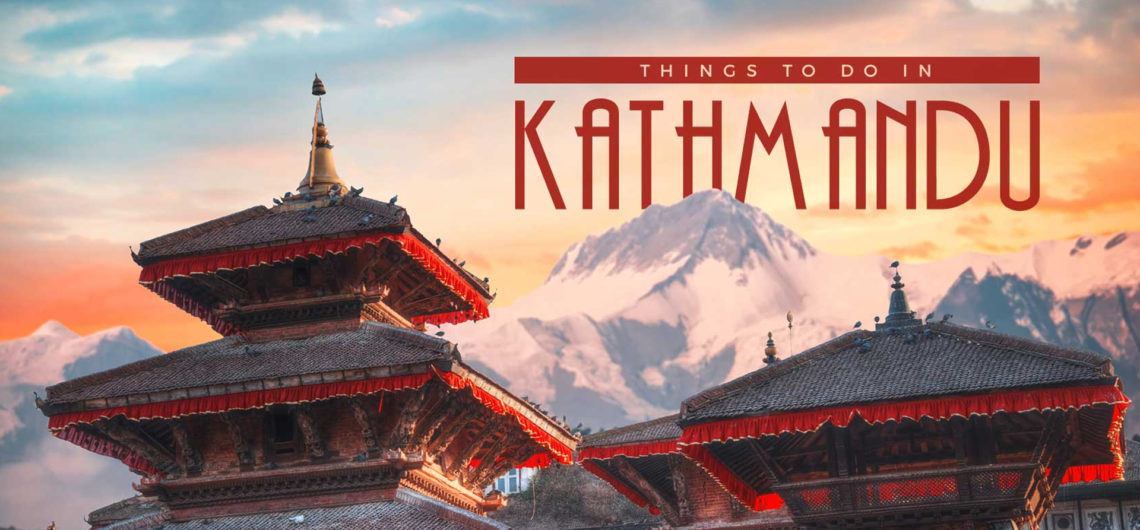
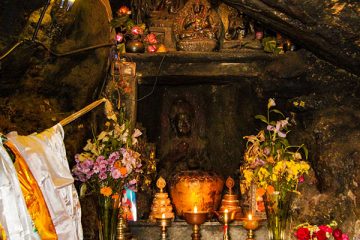
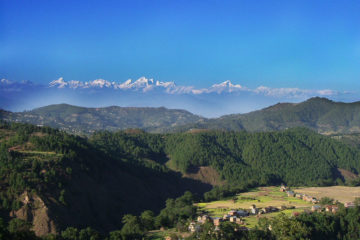
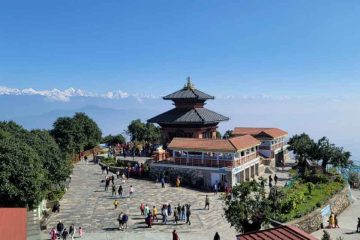
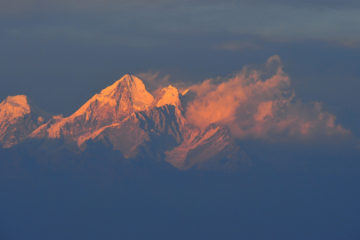
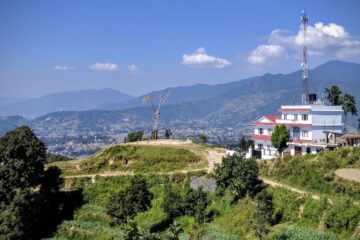
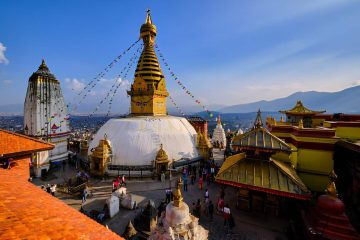
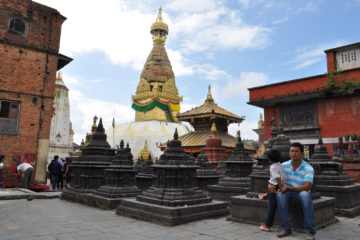
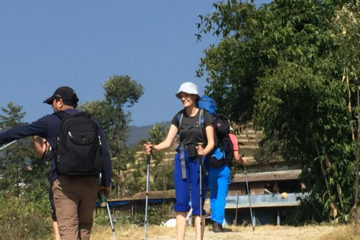


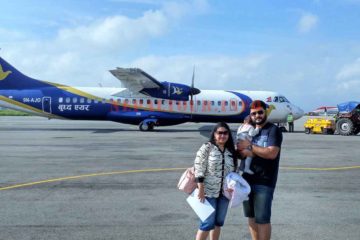
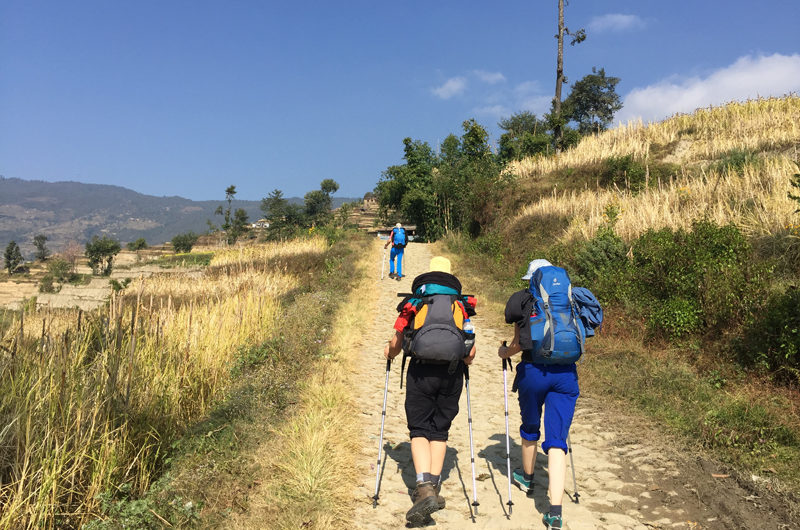
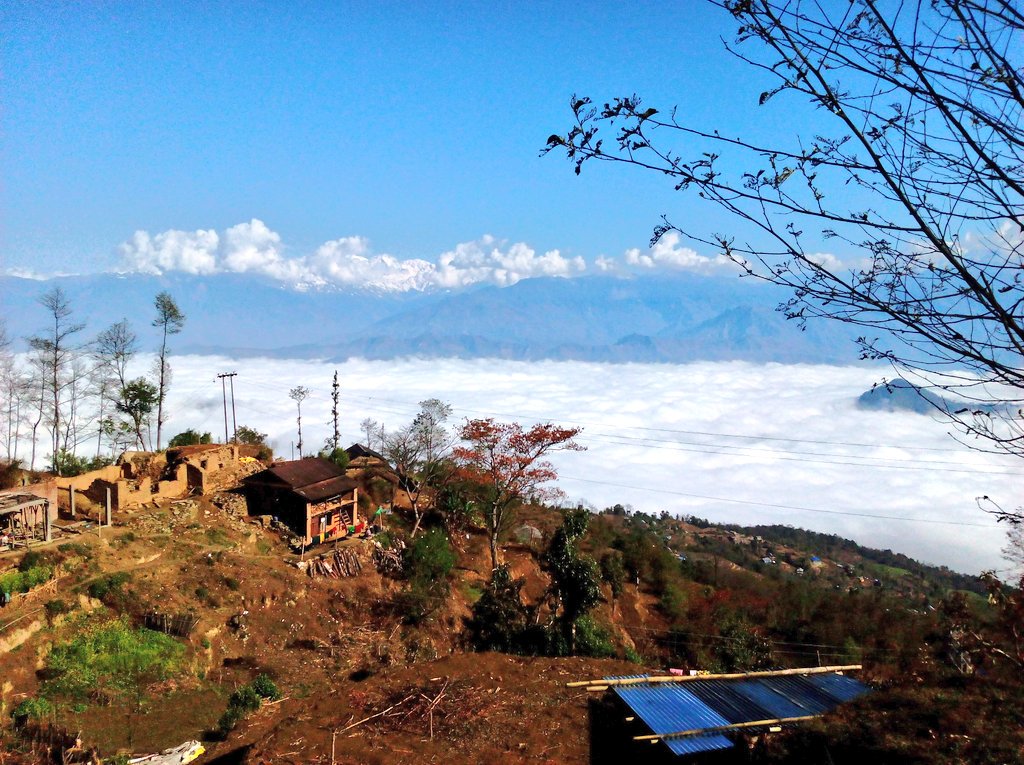
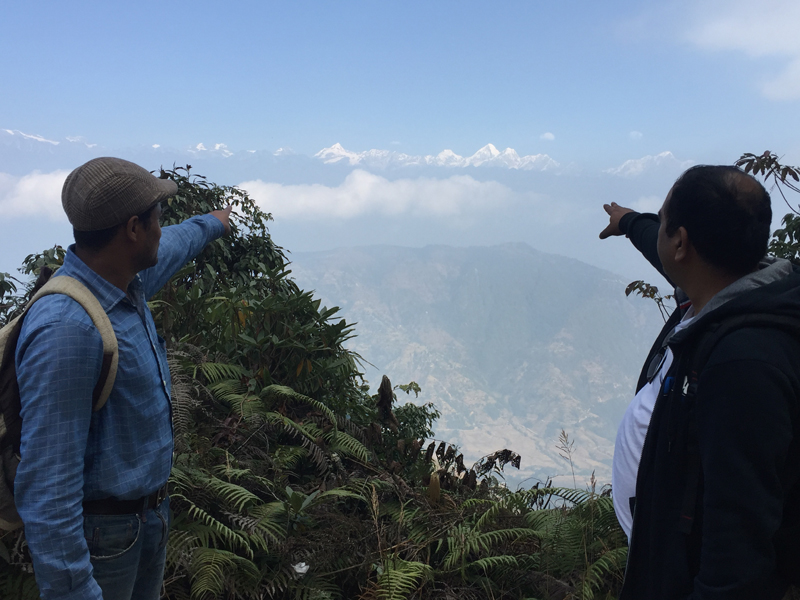
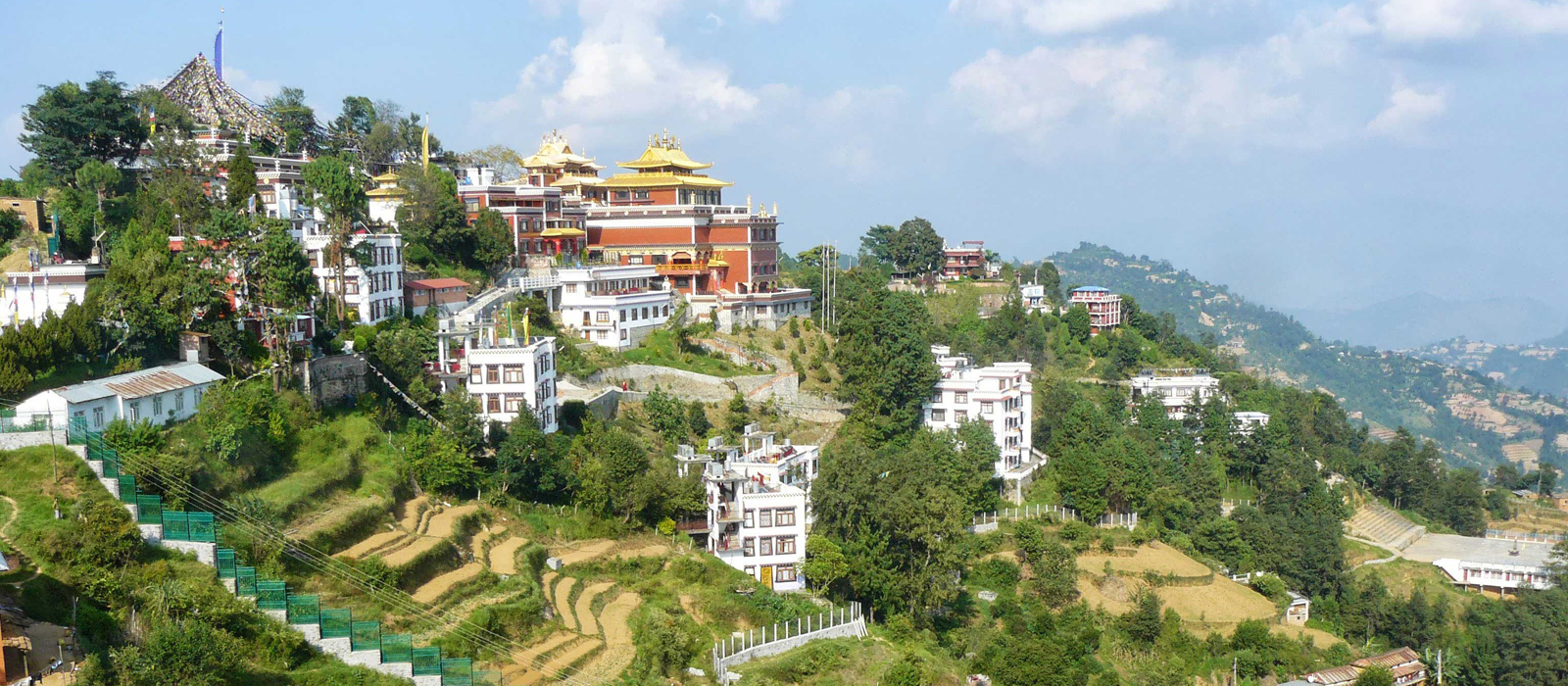
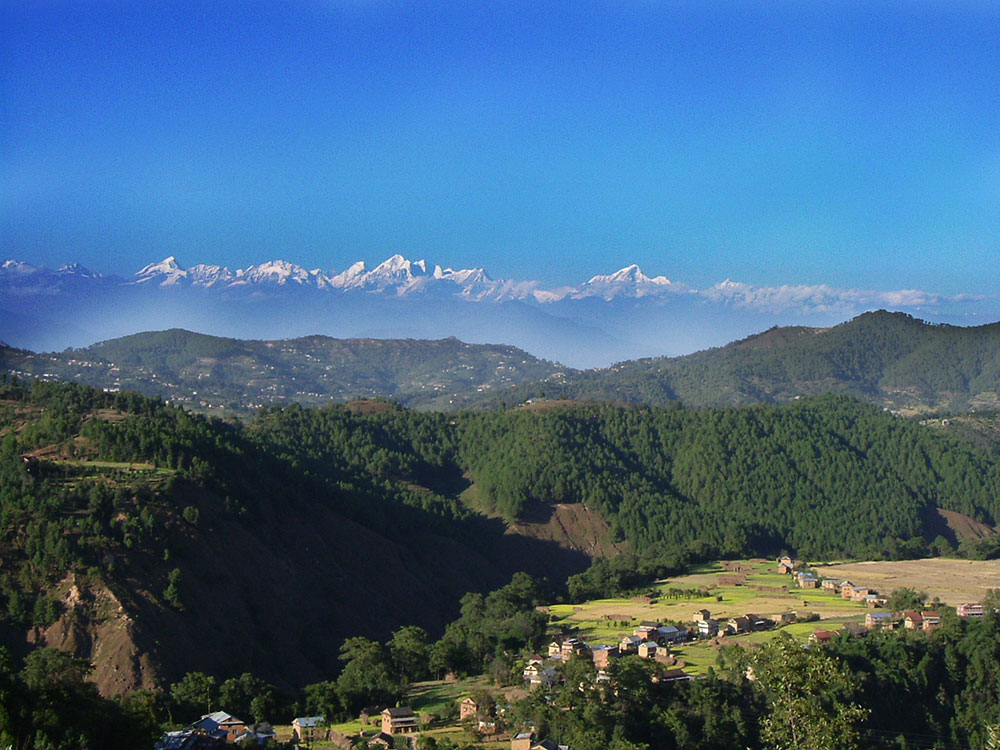
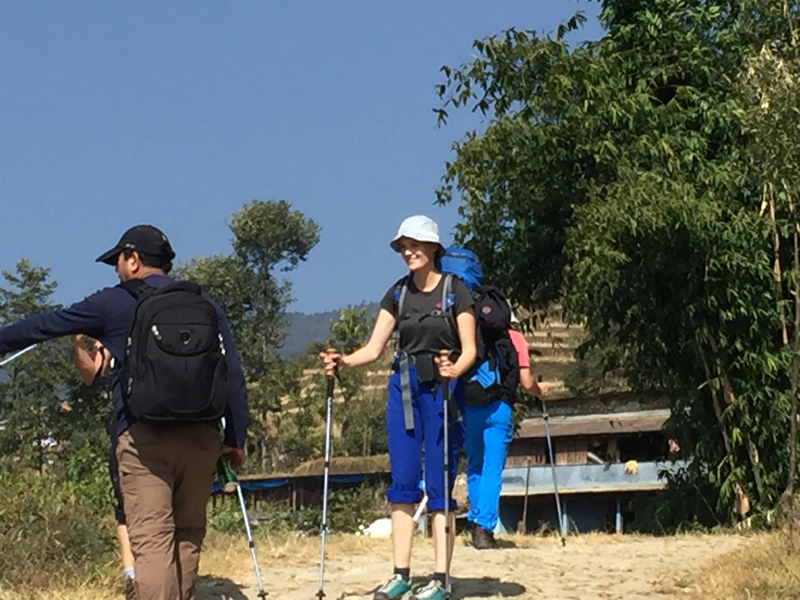
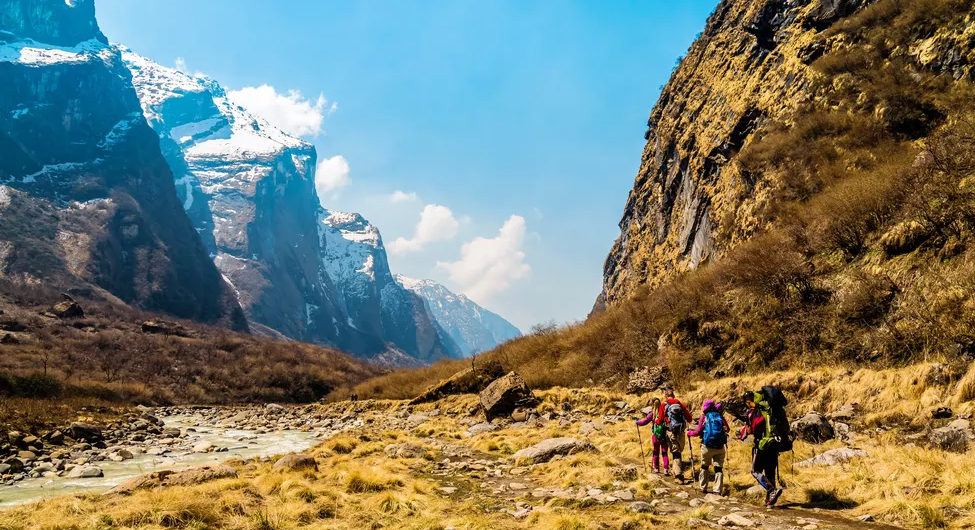
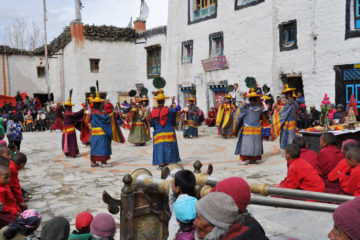
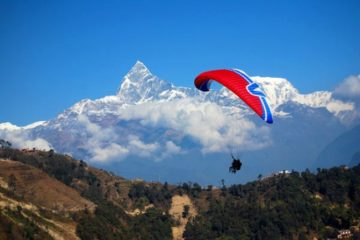
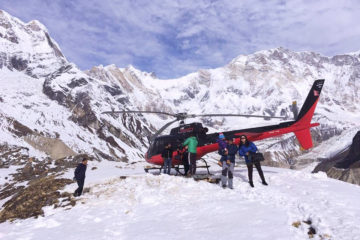
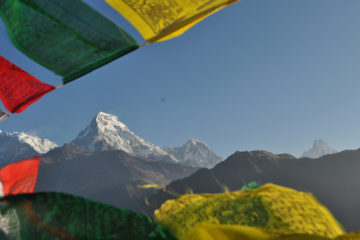
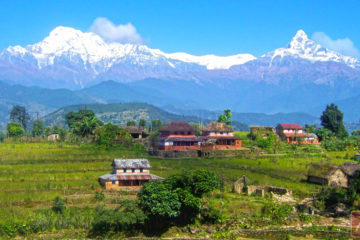
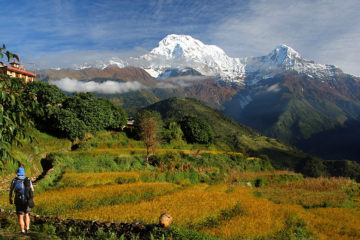
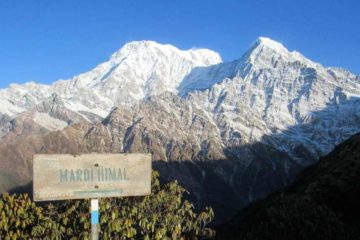
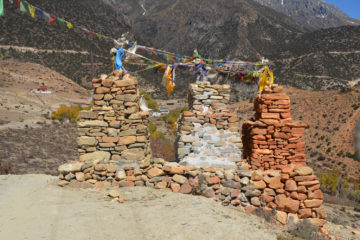
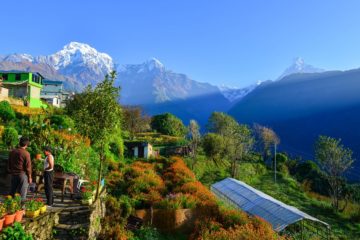

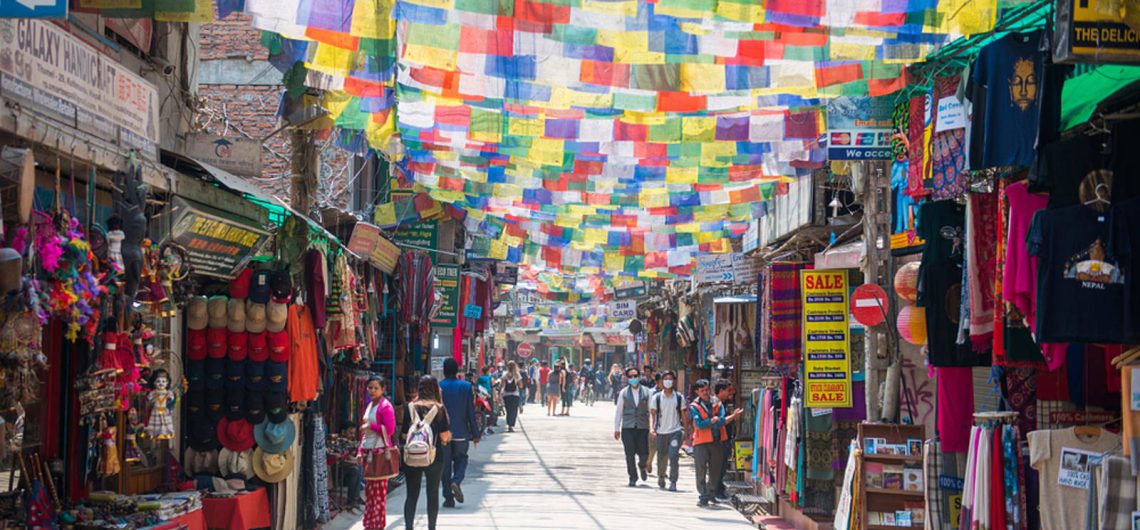
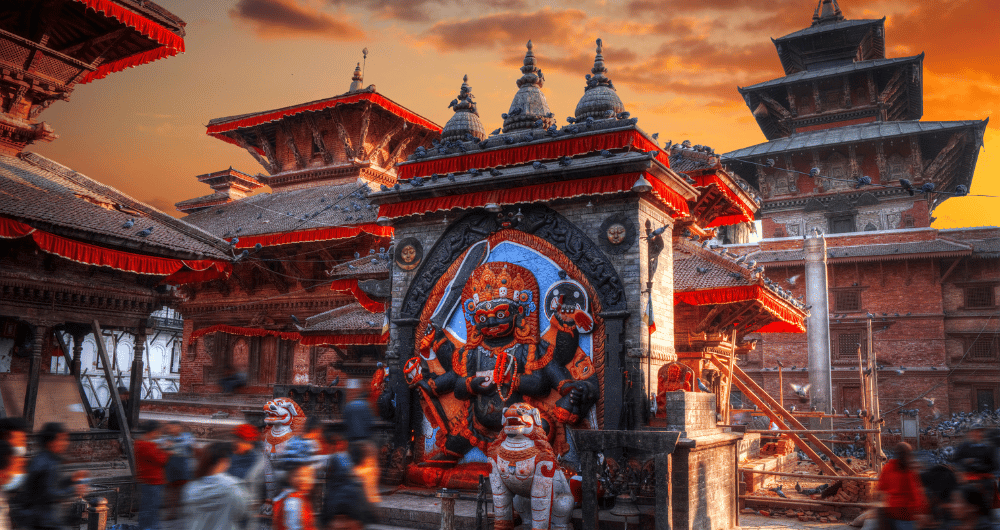
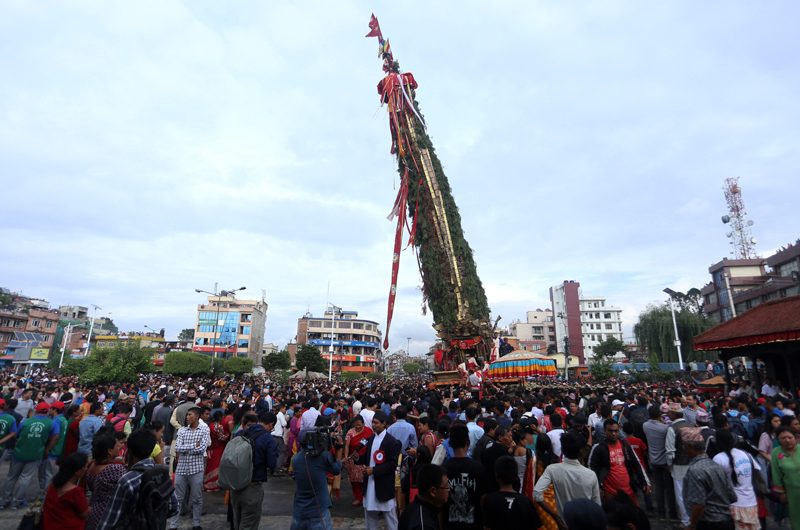
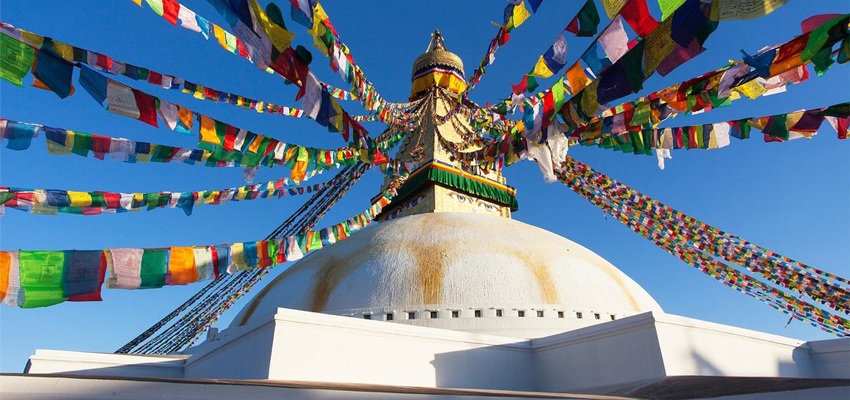
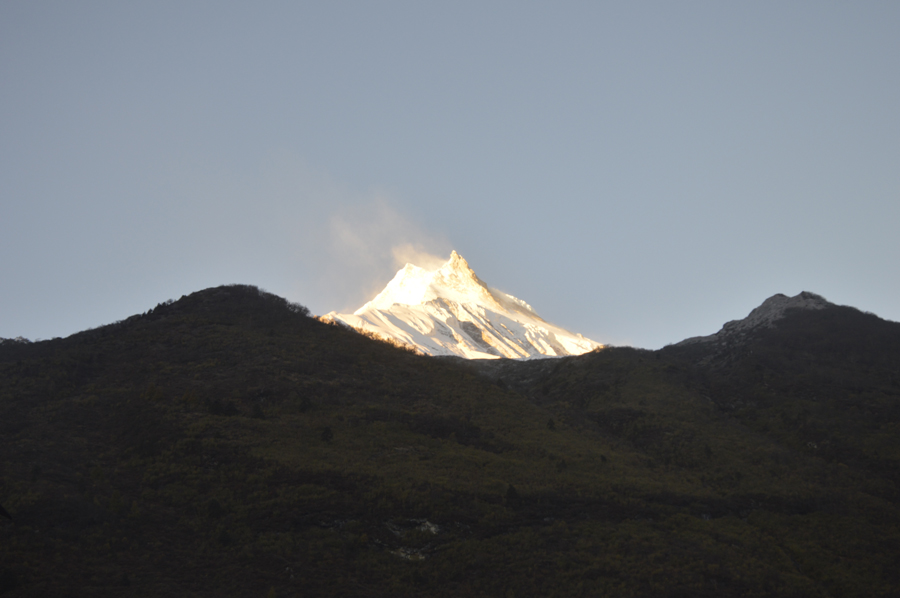
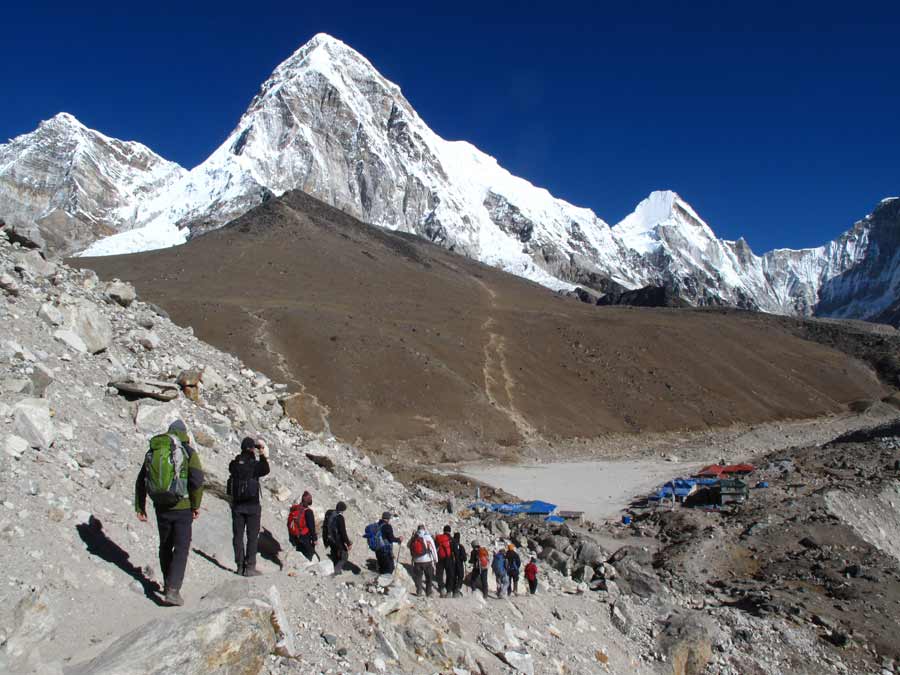
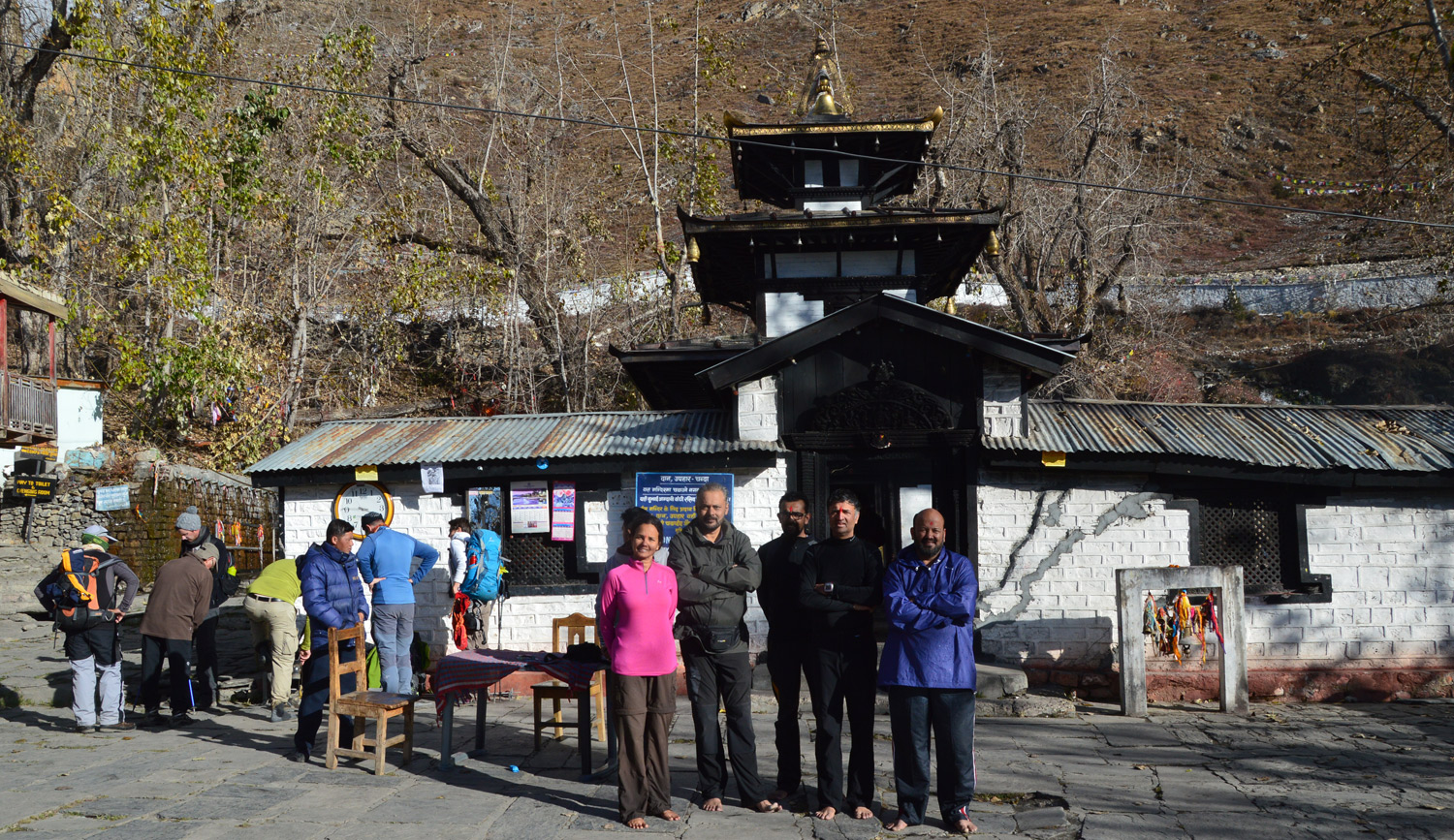
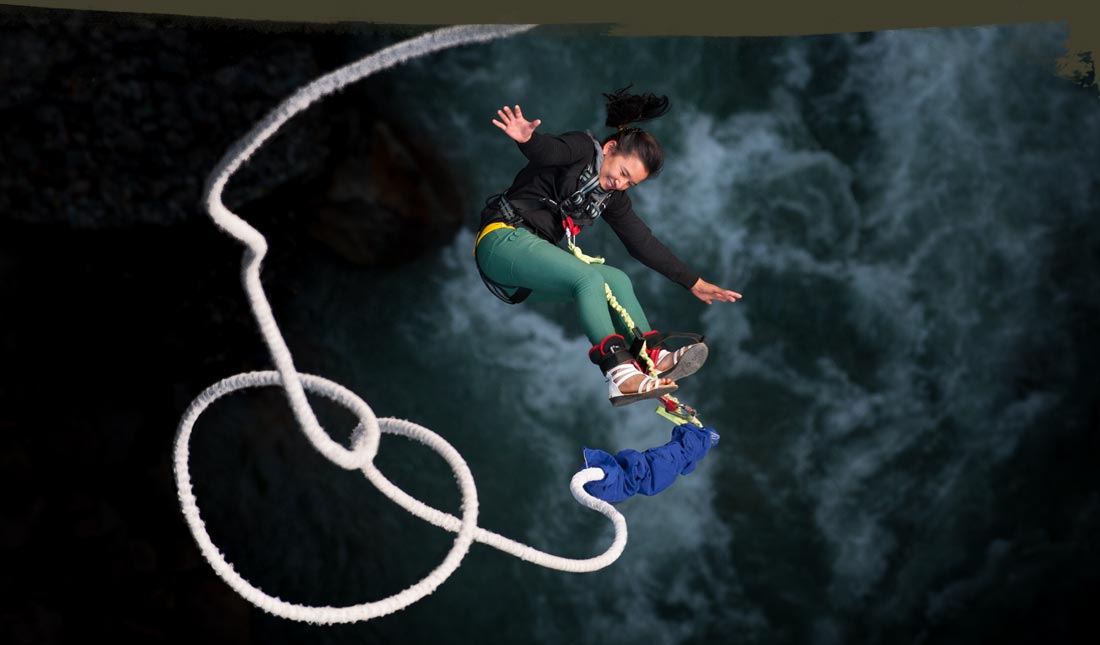
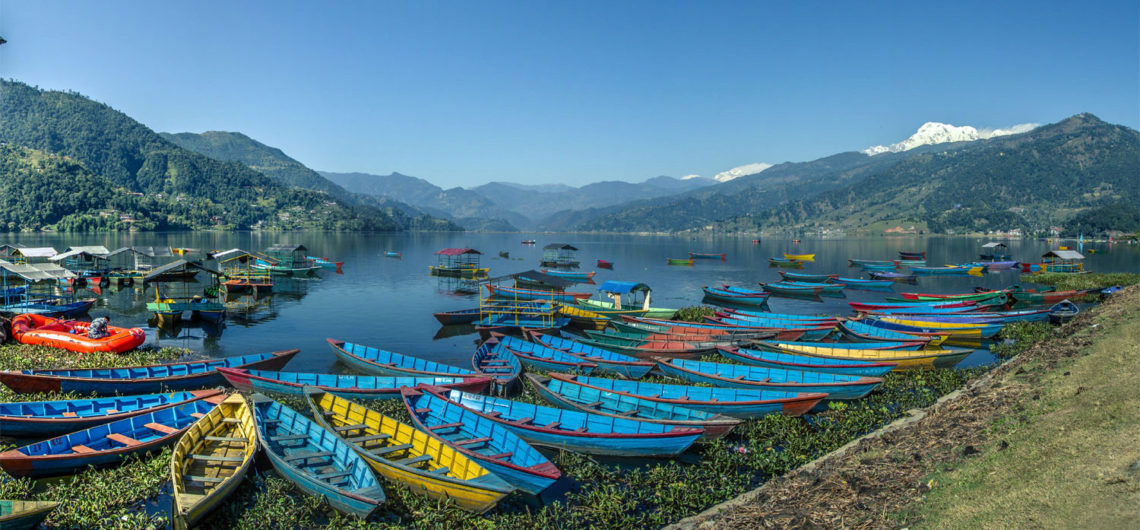
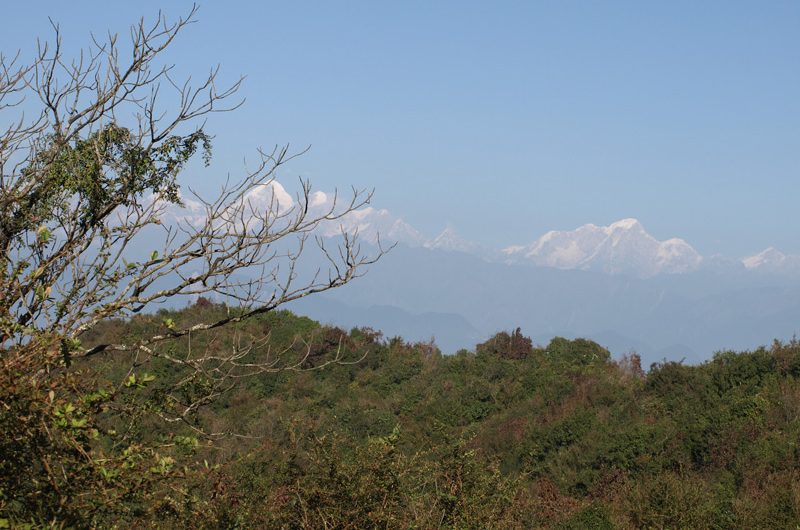
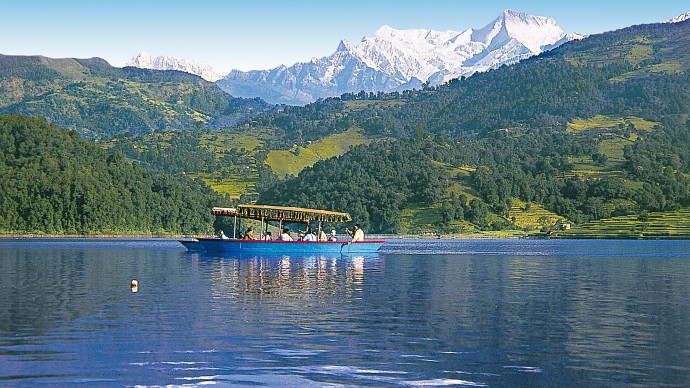
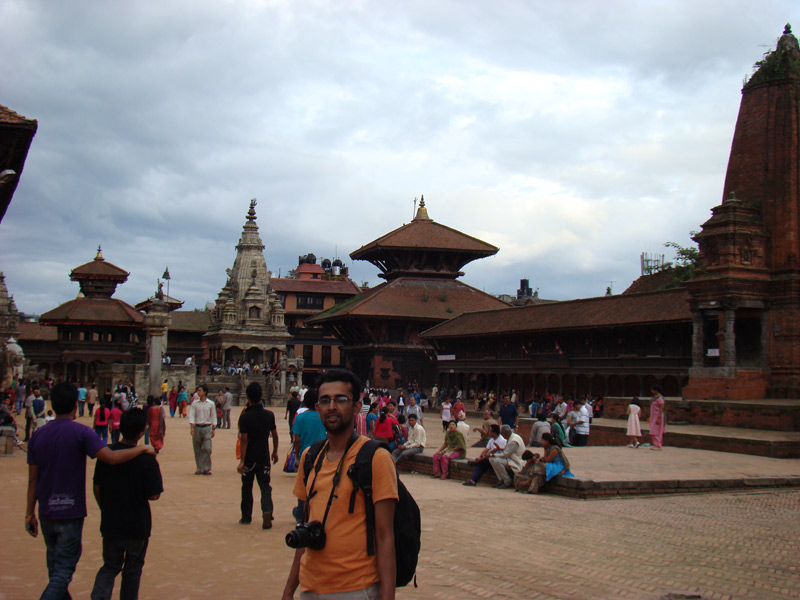 The Nepalese cuisine is extremely aromatic and rather different from Western cuisine, so you’ll see the best hidden locations with the most delicious treats.