
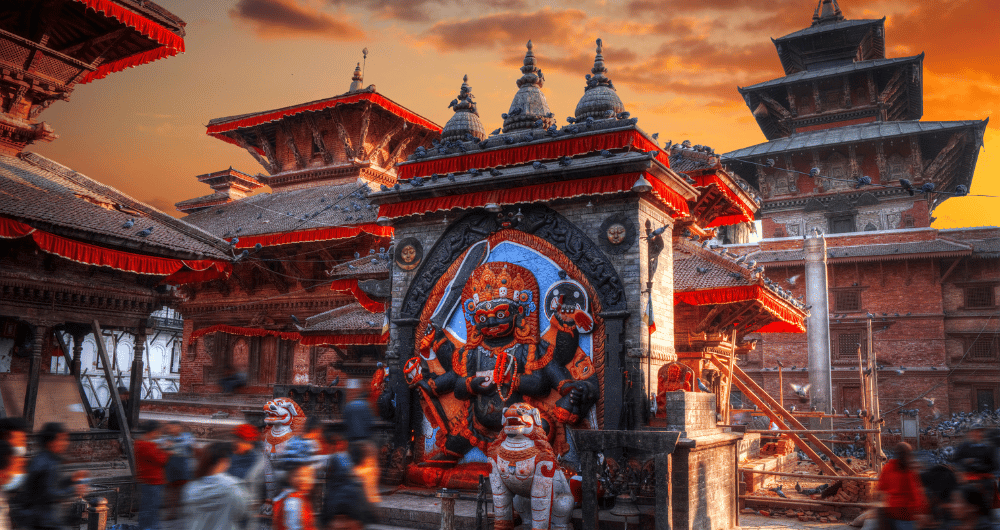
Nepal is a country where culture comes alive through its vibrant holidays and festivals. With deep roots in religion, tradition, and community life, Nepali festivals are not just events—they are experiences that reflect the country’s rich heritage and diversity.
From grand nationwide celebrations to local rituals observed in small villages, every festival carries meaning, color, and joy.
A Land of Festivals
Nepal is often called the “land of festivals” because there is almost always a celebration happening somewhere in the country. The majority of festivals are rooted in Hinduism and Buddhism, the two dominant religions, but they are celebrated with a unique Nepali flavor that blends spirituality with social harmony.
Nepali New Year / Bisket Jatra (April 14)
One of the most important holidays in the Nepali Bikram Sambat calendar, Bisket Jatra marks the Nepali New Year with vibrant and dramatic celebrations. While it is observed in many parts of Nepal, the festivities are most famously centered in the ancient Newar city of Bhaktapur, located about 15 kilometers east of Kathmandu.
The celebrations begin in Bhaktapur Durbar Square, where the city comes alive with traditional rituals and community gatherings. Events unfold across both the upper and lower parts of the city, highlighted by an intense giant tug-of-war that symbolizes the struggle between opposing forces.
A major attraction of Bisket Jatra is the dramatic chariot procession, often described as a “chariot war,” featuring effigies of male and female deities pulled through the streets by rival teams.
Rich in symbolism and energy, Bisket Jatra reflects the cultural depth and communal spirit of Nepal, blending ancient rituals with lively public celebration.
Shree Panchami
Shree Panchami, also known as Saraswati Puja, is a significant Hindu festival in Nepal dedicated to Goddess Saraswati—the deity of knowledge, wisdom, learning, and the arts. It is celebrated on the fifth day (Panchami) of the bright lunar fortnight in the month of Magh.
Shree Panchami highlights the value Nepali society places on education and knowledge. Schools and colleges organize special puja ceremonies, and the day brings together students and families in a shared celebration of learning.
Ghode Jatra (March 18)
Held in mid-March, Ghode Jatra is the horse race event of Tundikhel, with a grand horse parade honoring a victory over a dangerous demon crushed by the hooves of local fillies. Legend has it, the event keep the demon’s spirit from returning.
Another race involves an intoxicated horse and drunk rider, with Nepalese townspeople cheering on the unsteady twosome. The rider desperately tries to hang on for as long a he can, causing universal merriment.
Holi
Holi is one of the most lively festivals, celebrated with colors, water, and music. People throw colored powders and splash water on each other, symbolizing the arrival of spring and the triumph of good over evil. Cities like Kathmandu and Pokhara become especially vibrant during this time.
Mata Tirtha Puja (April 18)
Closely-knit families are a long-established tradition in Nepal, with the early May festival of Mata Tirtha Puja the Nepalese ‘Mothers Day’. Honored for their love and support with gifts, adult sons and daughters return to their family home to show appreciation.
Buddha Jayanti (May 1)
Buddha Jayanti (also called Buddha Purnima) is celebrated on the full moon day (Purnima) of the month of Baisakh in the Nepali Bikram Sambat calendar. This festival marks the birth of Siddhartha Gautama, the founder of Buddhism, who was born in Lumbini, Nepal. Devotees visit monasteries, offer prayers, and perform acts of kindness. It is a peaceful and spiritual celebration observed by both Buddhists and Hindus.
Gaijatra
Every year in late August/early September, Gaijatra honors the god of death, Yamaraj. It’s one of the most popular festivals for its procession of cows led by every person who has lost a relative during the previous year. For Hindus, cows are holy and it’s believed the parade will help the souls of the departed journey to heaven.
Teej / Nepal Women’s Festival (August 21)
Teej is a festival dedicated to women, particularly married women who pray for the well-being of their husbands. Women dress in red, sing traditional songs, and dance in groups. It is also a time for fasting and visiting temples, especially the famous Pashupatinath Temple.
Indra Jatra
Celebrated mainly in Kathmandu, Indra Jatra honors Lord Indra, the god of rain. The festival features masked dances, chariot processions, and the raising of a ceremonial pole (Yosin). It is also an opportunity to witness the living goddess Kumari being paraded through the streets.
Krishna Janmastami (September 4)
Krishna Janmashtami is one of the most sacred and widely celebrated festivals in Nepal and across the Hindu world. It marks the birth of Lord Krishna, a central figure in Hinduism known for his wisdom, playful nature, and role in guiding humanity through the teachings of the Bhagavad Gita.
Dashain / Bijaya Dashami (October 23)
Dashain is the longest and most important festival in Nepal, usually celebrated in September or October. It symbolizes the victory of good over evil, rooted in the legend of Goddess Durga defeating the demon Mahishasura. Families gather, elders give blessings (tika and jamara), and people return to their hometowns. It’s a time of reunion, feasting, and gratitude.
Tihar / Festival of Lights (November 15)
Tihar, also known as Deepawali, follows Dashain and lasts five days. Each day honors different beings—crows, dogs, cows, and brothers. Homes are decorated with oil lamps and colorful rangoli designs. The highlight is Bhai Tika, celebrating the bond between brothers and sisters. The atmosphere is filled with music, lights, and joy.
Cultural Significance
Festivals in Nepal are deeply tied to community and family. They strengthen social bonds, preserve traditions, and provide a sense of identity. Rituals, music, food, and attire all play important roles, making each celebration a multi-sensory experience.
Diversity of Traditions
Nepal’s ethnic diversity means festivals vary across regions and communities. For example, the Newar community in the Kathmandu Valley has its own unique festivals like Indra Jatra, while other groups celebrate different traditions based on their cultural backgrounds.
Conclusion
Nepal’s holidays and festivals are more than just dates on a calendar—they are reflections of faith, history, and unity. Whether it’s the grandeur of Dashain, the sparkle of Tihar, or the playful chaos of Holi, each festival offers a glimpse into the soul of Nepal.
For visitors and locals alike, these celebrations create unforgettable memories and a deeper appreciation of the country’s rich cultural tapestry.