Nepal holidays and festivals concentrate on religious and cultural events on the Hindu and Buddhist calendars and involve traditional rituals, music and dance. Due to the number of diverse ethnic and tribal groups making up the population, the variety of celebrations is fascinating for visitors. Dashain in early September is the most important, surrounded by many other events, and the Tihar Hindu festival of lights is one of the loveliest. Shree Panchami This celebration of Saraswati, the goddess of learning and sister of the elephant god Ganesh, takes place in Nepal in January. Temple images are garlanded, presented with gifts and seven grains of rice are eaten by worshippers in order to gain wisdom. It’s the most auspicious time for weddings with countless processions on the streets, as the marriage is blessed by the goddess herself. Ghode Jatra Held in mid-March, Ghode Jatra is the horse race event of Tundikhel, with a grand horse parade honoring a victory over a dangerous demon crushed by the hooves of local fillies. Legend has it, the event keep the demon’s spirit from returning. Another race involves an intoxicated horse and drunk rider, with Nepalese townspeople cheering on the unsteady twosome. The rider desperately tries to hang on for as long a he can, causing universal merriment. Holi The joyous spring festival of Holi takes place in March, and is known as the feast of colors. Based on a victory over the female demon Holika, the celebrations last a week and are a time of eating, drinking and rejoicing in the streets to welcome the warmer weather. Citizens smear themselves with brilliant, powdered colors and throw the colors over passerby’s. Bonfires and more revels end the celebration. Mata Tirtha Puja Closely-knit families are a long-established tradition in Nepal, with the early May festival of
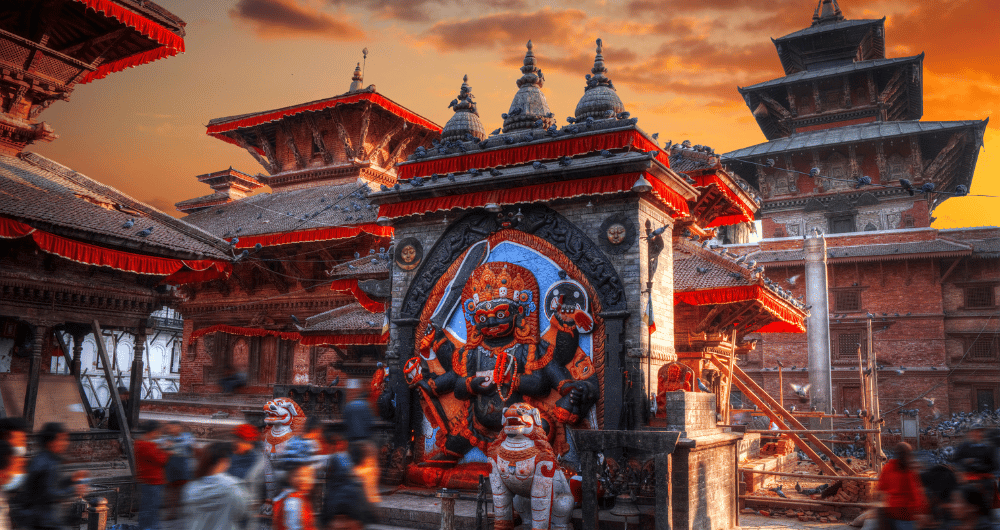
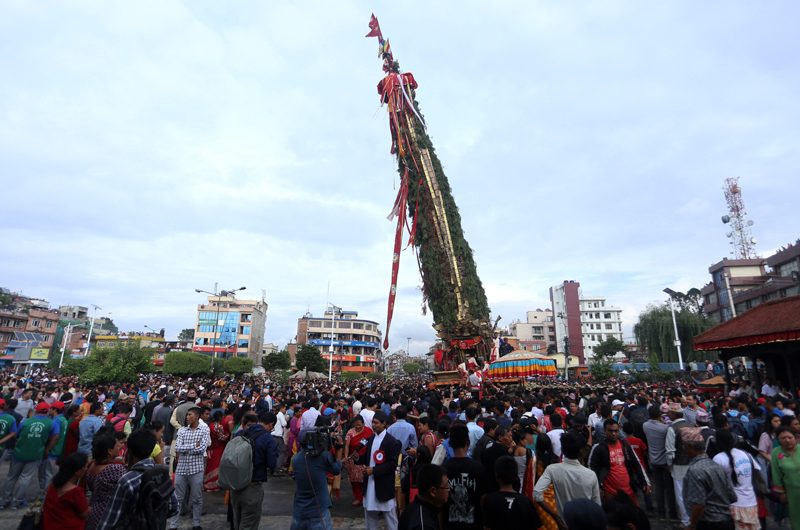
Nepal holidays and festivals concentrate on religious and cultural events on the Hindu and Buddhist calendars and involve traditional rituals, music and dance. Due to the number of diverse ethnic and tribal groups making up the population, the variety of celebrations is fascinating for visitors.
Dashain in early September is the most important, surrounded by many other events, and the Tihar Hindu festival of lights is one of the loveliest.
Shree Panchami
This celebration of Saraswati, the goddess of learning and sister of the elephant god Ganesh, takes place in Nepal in January. Temple images are garlanded, presented with gifts and seven grains of rice are eaten by worshippers in order to gain wisdom.
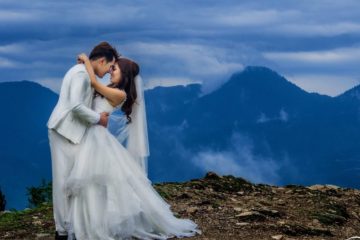
It’s the most auspicious time for weddings with countless processions on the streets, as the marriage is blessed by the goddess herself.
Ghode Jatra
Held in mid-March, Ghode Jatra is the horse race event of Tundikhel, with a grand horse parade honoring a victory over a dangerous demon crushed by the hooves of local fillies. Legend has it, the event keep the demon’s spirit from returning.
Another race involves an intoxicated horse and drunk rider, with Nepalese townspeople cheering on the unsteady twosome. The rider desperately tries to hang on for as long a he can, causing universal merriment.
Holi
The joyous spring festival of Holi takes place in March, and is known as the feast of colors. Based on a victory over the female demon Holika, the celebrations last a week and are a time of eating, drinking and rejoicing in the streets to welcome the warmer weather.
Citizens smear themselves with brilliant, powdered colors and throw the colors over passerby’s. Bonfires and more revels end the celebration.
Mata Tirtha Puja
Closely-knit families are a long-established tradition in Nepal, with the early May festival of Mata Tirtha Puja the Nepalese ‘Mothers Day’. Honored for their love and support with gifts, adult sons and daughters return to their family home to show appreciation.
Buddha Jayanti
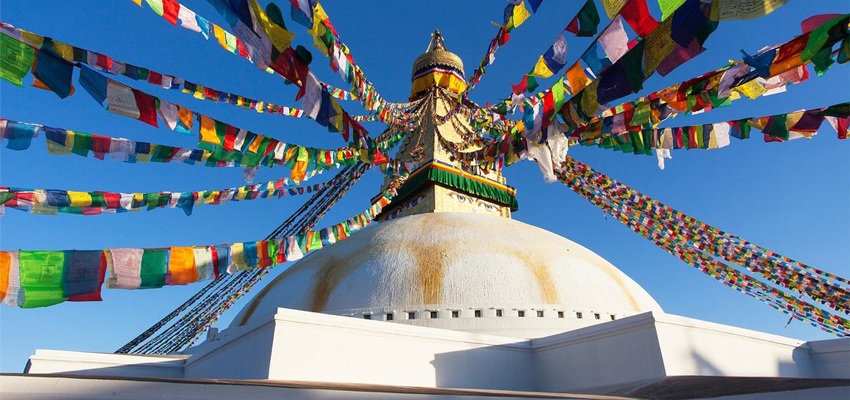
Buddhist temples are packed with worshippers on Jayanti, the celebration of the Buddha’s birthday. Held in June on a full moon day, the Nepalese festival honors the Buddha’s birth, death, and attainment of enlightenment. Huge images of the god are displayed and parades of devotees praising his life and teachings take place.
Gaijatra
Every year in late August/early September, Gaijatra honors the god of death, Yamaraj. It’s one of the most popular festivals for its procession of cows led by every person who has lost a relative during the previous year. For Hindus, cows are holy and it’s believed the parade will help the souls of the departed journey to heaven.
Indra Jatra
Taking place in late August/early September for eight days, the combined Hindu and Buddhist festival of Indra Jatra happens in Kathmandu. A celebration of traditional Nepalese classical dance, each community performs its own unique sequences in honor of the king of heaven, Lord Indra.
On the third day, the living goddess Kumari is paraded through the city on a chariot, the processional ending at Durbar Square.
Krishna Janmastami
Across Nepal, Sri Krishna, the eighth incarnation of Lord Vishnu, is celebrated on his birthday in September especially in Patan, home of the ancient Krishna Temple.
Citizens huddle together all night long, keeping vigilant and chanting the various names of the god or singing traditional hymns. Flowers, food and money are offered to Krishna’s image in the gloomy main temple.
Dashain
Held over two weeks at the end of September, Dashain is Nepal’s most important festival, celebrated across the land and ending on the day of the full moon. Dashain honors the victory of the gods over a host of demons, based on tales in the Ramayana, after invoking the powers of the goddess Durga.
Tantric rites are conducted as mother goddess temple offerings are made and specific rituals take place in all homes, towns and cities every day of the event.
Tihar
Tihar is the Nepalese version of the Hindu Festival of Lights, dedicated to the goddess of wealth, Lakshmi, and is the most dazzling of Nepal’s festivals. It takes place for five days in October, during which every home is lit up with sparkling oil lamps.
The second day is known as ‘dogs’ day’ and every four legged friend is adorned with a floral garland, given a delicious meal and worshipped for its protection of the home. Cows are given similar treatment on the third day, as representatives of wealth.
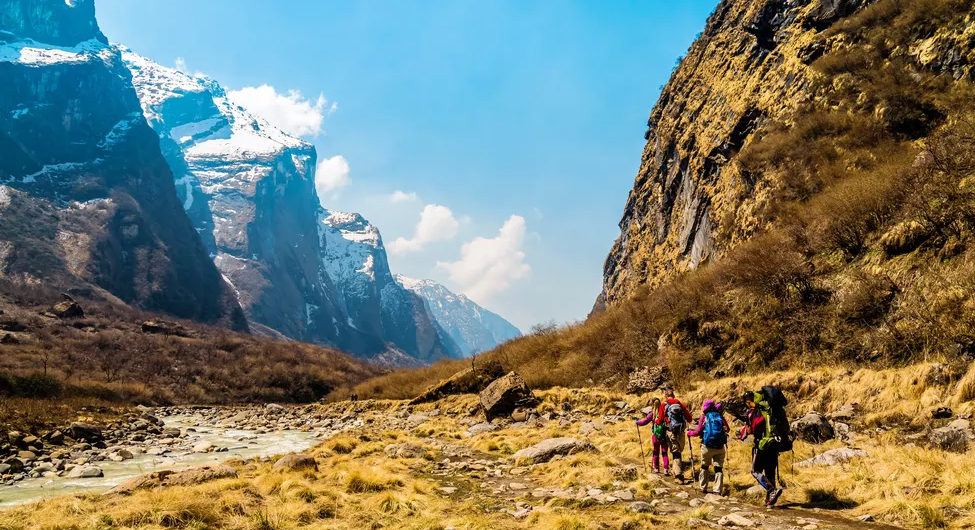
Epic Himalayan vistas, golden temples and jungle wildlife watching – Nepal is one of the world's iconic travel destinations. Here’s your fast track to getting the most from this truly amazing country. Nepal is arguably the world’s greatest trekking destination, and you could spend years exhausting all of its incredible Himalayan trails. But with such a range of routes, durations, geography and trekking styles to choose from, picking the right 2 days hiking for you can be daunting. Whether overnighting in teahouses on mountainsides, some of the best 2 days trekking on the planet are found among the peaks and valleys of Nepal. We plot a route for every kind of adventure. Nepalese villages and past Hindu pagodas as you traverse the infamous and iconic Himalayan mountain range. Even if you’re just passing through or visiting for a long weekend, trekking in Nepal is an essential experience. Here are the best 2 days trekking in Nepal that can be completed in less than three days. On these treks, you will walk in the lower altitudes with the bearable temperature and weather conditions. Along with the easy trails, these short treks best fulfill your desire to catch the stunning mountain views and the amazing landscapes. Popular Options for 2-Day Trekking in Nepal Sankhu - Nagarkot - Changunarayan Trek Sankhu to Nagarkot is among popular 2 day hiking in Kathmandu that starts from Sankhu. This trek is also called trek for nature and temples. Located just 25 miles from the capital, the Kathmandu valley trek is the perfect option if you’re just passing through the city. Don’t think you’re missing out on anything though – the valley trek offers stunning scenery, cultural heritage, and spectacular views – all rolled into just 2 days. You begin in the town of sankhu before trekking up into the
Epic Himalayan vistas, golden temples and jungle wildlife watching – Nepal is one of the world’s iconic travel destinations. Here’s your fast track to getting the most from this truly amazing country.
Nepal is arguably the world’s greatest trekking destination, and you could spend years exhausting all of its incredible Himalayan trails. But with such a range of routes, durations, geography and trekking styles to choose from, picking the right 2 days hiking for you can be daunting.
Whether overnighting in teahouses on mountainsides, some of the best 2 days trekking on the planet are found among the peaks and valleys of Nepal. We plot a route for every kind of adventure. Nepalese villages and past Hindu pagodas as you traverse the infamous and iconic Himalayan mountain range.
Even if you’re just passing through or visiting for a long weekend, trekking in Nepal is an essential experience. Here are the best 2 days trekking in Nepal that can be completed in less than three days. On these treks, you will walk in the lower altitudes with the bearable temperature and weather conditions.
Along with the easy trails, these short treks best fulfill your desire to catch the stunning mountain views and the amazing landscapes.
Popular Options for 2-Day Trekking in Nepal
Sankhu – Nagarkot – Changunarayan Trek
Sankhu to Nagarkot is among popular 2 day hiking in Kathmanduthat starts from Sankhu. This trek is also called trek for nature and temples.
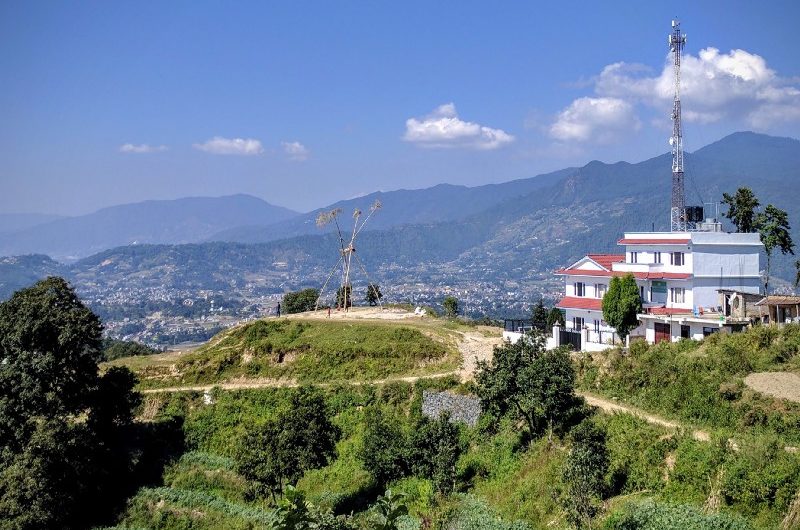
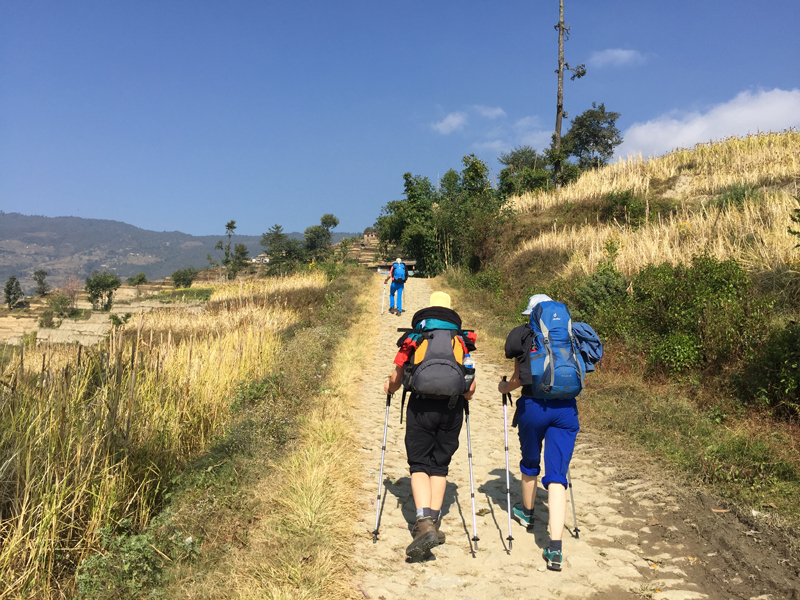
Located just 25 miles from the capital, the Kathmandu valley trek is the perfect option if you’re just passing through the city. Don’t think you’re missing out on anything though – the valley trek offers stunning scenery, cultural heritage, and spectacular views – all rolled into just 2 days. You begin in the town of sankhu before trekking up into the hills. You pass through several traditional villages, taking in the terraced rice fields and lush forests.
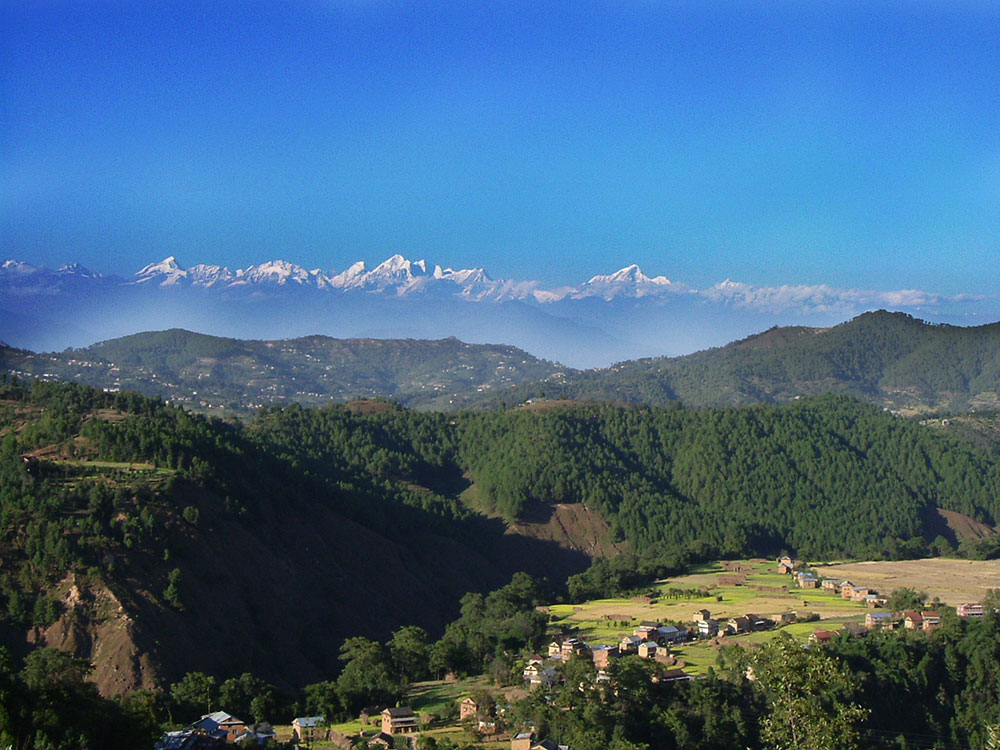
You stay overnight in the village of Nagarkot, famous for its incredible sunrise views over the Himalayas. The trek ends at the stunning Changunarayan temple – a UNESCO World Heritage listed site. The temple dates back to the 5th century AD and is considered to be the oldest temple in the Kathmandu Valley.
Itinerary at a Glance Day 01– Drive to Sankhu (1,410m), trek to Nagarkot (2,175m) (4 Hrs Trek and 1.5 Hrs drive). Overnight at Nagarkot.
Day 02– Trek Changunarayan (1,500m) and drive back to Kathmandu (1,400m). You stop for lunch or breakfast in Bhaktapur (1,401m). You can also take part in a Kathmandu Itinerary 2 Day here. (2 hours hike and 1-hour drive)
Pokhara – Australian Camp – Dhampus – Pokhara
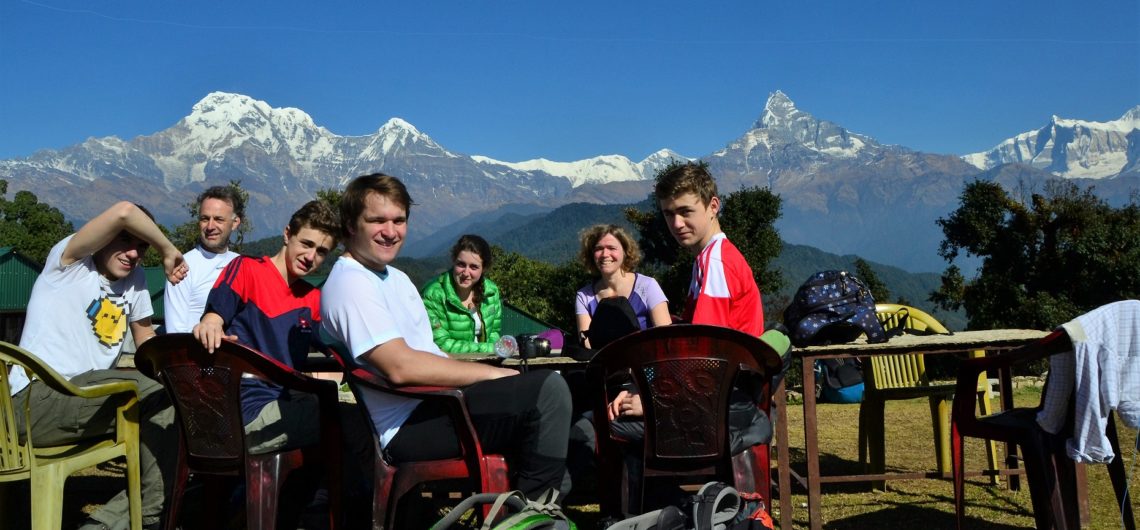
The Pokhara – Australian Camp – Dhampus Trek is a mountain trek in the beautiful mountains of the Annapurna. The trekking offers gorgeous views over the valleys and stunning views of the Annapurna Mountain range. This 2 days hiking trip can be done all year round and is also suitable for people without any hiking experience (like me) as the highest point is around 2000 meter.It gives a great impression of the Himalayas in all her magnificence. From sunrise to sunset the colors will keep on changing offering the most incredible views. You spend the night in a hut at the Australian Camp, halfway the trekking. It’s a beautiful camp surrounded by the most beautiful peaks of the Himalaya. You can go camping too. A great experience!.
Itinerary at a Glance Day 01– Drive Pokhara to Kande and trek to Australian Camp (2100m) (4 Hrs Trek and 1.5 Hrs drive). Overnight at Australian Camp.
Day 02– Trek to Phedi via beautiful village of Dhampus. Drive to Pokhara. (3 hours hike and 1-hour drive)
Pokhara – Ghandruk – Pokhara Trek
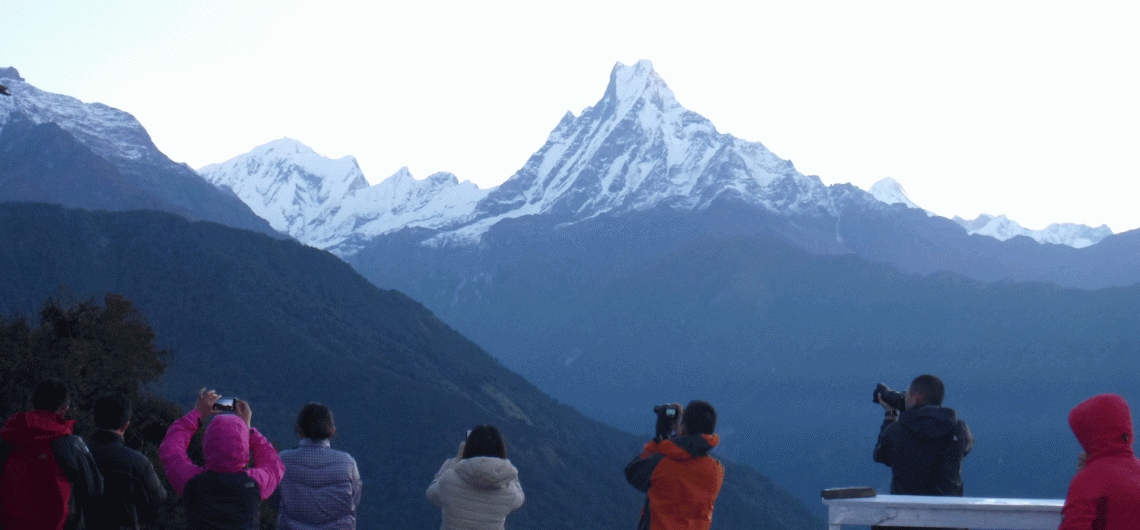
Ghandruk is a well-loved trekking destination that’s an essential stop on the short Ghandruk Trek, as well as a fixture on other longer treks in the Annapurna Himalaya, such as the Annapurna Circuit. It’s easily accessible from Pokhara through a combination of road travel and trekking. Ghandruk Trek 2 days 1 night is the best trek for those who want to see the Himalayas in a close distance, yet who has only 3 days 2 night from Pokhara. From Ghandruk Village, you can see Annapurna South (7219m), Machhapurchre (Fishtail) (6993 m), Himchuli (6441m), Gangapurna (7455m) and many more in a very close distance. As if, you can touch the mountains with your fingers. If you are looking at more challenging short treks in Pokhara, you can consider to do the Poon Hill Trek 4 days, with maximum altitude of 3210m.
Itinerary at a Glance Day 01– Pokhara to Nayapul ( By Car 1 hr drive ) – Sauwli Bazzar ( Lunch ) – Ghandruk ( nearly 6 hrs walking ). Overnight at Ghandruk.
Day 02– Trek to Ghandruk – Birethanti – Nayapul and Drive to Pokhara. (5 hours hike and 1-hour drive)
Physical Fitness for 2 Days Treks in Nepal
Two of the most common hiking injuries are ankle rolling and ankle sprains. If you’re out of shape or just haven’t been active for a while, start with some basic exercises to warm up your muscles and get your heart rate up. To enjoy your holiday to its best get yourself in good physical shape for the activity you are going to undertake. For all our 2 days trekking holidays you tend to move at a low steady pace but for a short period of time, days in the mountains can be anything from 4-5hrs or less in length.
Cost of 2 Days Hikes in Nepal
There are many factors that determine the total cost for your trek. Most tour and trek operators charge around USD $135-180 for a 2 days trekking in Nepal.
Things to Know about 2 Day Treks in Nepal
Choose off-season if you prefer quiet and peaceful trekking experience.
Wear a comfortable pair of hiking shoe as you will be walking for hours.
Choose a suitable season and pack accordingly.
You can opt for local homestays during the trek. This will help support a local family and at the same time give you an authentic Nepali culture experience.
While trekking, make sure to drink plenty of water to ensure a comfortable and safe trek.
You can take these treks Solo, in groups, and with or without guide or porters.
Walk slow and take your own pace while enjoying the surrounding nature.
For an easier and more informative trek, hire a guide.
This range is due to the inclusion or exclusion of the following cost.
Meals (Breakfast, Lunch, Dinner)
Transportation (To and from the start and end points of the actual Trek)
Transportation (To and from Kathmandu- For some treks this may be the same as the above)
Entrance Fees (Permits needed or National Park Entry Fee)
Accommodation (3-5 star Hotels or homestays)
Trekking Guide (A professional, licensed guide)
Packing Essential for 2 Days Trekking in Nepal
The time you choose to do the trek along with its weather conditions will dictate much of what you should pack. Yet, the general guideline for your 2 day treks in Nepal is as follows:
Long trousers or shorts (Depending on the weather you trek)
Full or half sleeve tops
Outer (shell) layer: A jacket or coat (heavy or light, waterproof or not depends on the weather).
Extra socks
Hat and gloves (if you choose winter for these treks)
Sunglasses
Change of innerwear (Optional)
Backpack with cover (will keep your belongings dry and clean)
Snacks (great for motivation and energy boosting)
Reusable water bottle
Sunblock/sunscreen
Bandana (to protect from the dust in the paths near the cities)
Toilet paper and hand sanitizer (some of the toilets on the way may not have toilet paper or/and soap)
Introduce Nepal as a diverse and culturally rich country, renowned for its majestic landscapes and vibrant traditions. Nestled in the heart of the Himalayas, Nepal beckons adventurers with its snow-capped peaks, lush valleys, and ancient heritage. From the bustling streets of Kathmandu to the serene villages tucked away in the mountains, Nepal offers a tapestry of experiences waiting to be explored. Its rich cultural tapestry is woven with the threads of Hinduism, Buddhism, and myriad ethnic traditions, creating a melting pot of customs, festivals, and rituals. As travelers traverse the winding paths of Nepal, they encounter not just breathtaking scenery but also the warm hospitality of its people, whose resilience and spirit are as enduring as the mountains that cradle their homes. In this land of hidden gems, every corner holds a story waiting to be told, a landscape waiting to be discovered, and an experience waiting to be cherished. Remote Villages and Communities Discovering Hidden Treasures in the Himalayan Foothills: Embark on a journey to uncover the hidden gems nestled amidst the breathtaking landscapes of the Himalayas. Tansen, Bandipur, and Marpha stand as testament to Nepal's cultural richness and natural splendor, offering a respite from the beaten path. Here, travelers are invited to immerse themselves in the rhythm of local life, where time seems to slow down amidst the tranquility of rural existence. Engage with the welcoming communities, where smiles are as warm as the mountain sun, and hospitality knows no bounds. Witness age-old traditions come to life as you participate in sacred rituals, vibrant festivals, and traditional dances that have been passed down through generations. Embarking on Authentic Homestay Experiences: Dive deep into the heart of Nepalese rural life through immersive homestay programs that offer a window into the soul of these lesser-known villages. Exchange skyscrapers for snow-capped
Introduce Nepal as a diverse and culturally rich country, renowned for its majestic landscapes and vibrant traditions. Nestled in the heart of the Himalayas, Nepal beckons adventurers with its snow-capped peaks, lush valleys, and ancient heritage.
From the bustling streets of Kathmandu to the serene villages tucked away in the mountains, Nepal offers a tapestry of experiences waiting to be explored. Its rich cultural tapestry is woven with the threads of Hinduism, Buddhism, and myriad ethnic traditions, creating a melting pot of customs, festivals, and rituals.
As travelers traverse the winding paths of Nepal, they encounter not just breathtaking scenery but also the warm hospitality of its people, whose resilience and spirit are as enduring as the mountains that cradle their homes. In this land of hidden gems, every corner holds a story waiting to be told, a landscape waiting to be discovered, and an experience waiting to be cherished.
Remote Villages and Communities
Discovering Hidden Treasures in the Himalayan Foothills:
Embark on a journey to uncover the hidden gems nestled amidst the breathtaking landscapes of the Himalayas. Tansen, Bandipur, and Marpha stand as testament to Nepal’s cultural richness and natural splendor, offering a respite from the beaten path. Here, travelers are invited to immerse themselves in the rhythm of local life, where time seems to slow down amidst the tranquility of rural existence.
Engage with the welcoming communities, where smiles are as warm as the mountain sun, and hospitality knows no bounds. Witness age-old traditions come to life as you participate in sacred rituals, vibrant festivals, and traditional dances that have been passed down through generations.
Embarking on Authentic Homestay Experiences:
Dive deep into the heart of Nepalese rural life through immersive homestay programs that offer a window into the soul of these lesser-known villages. Exchange skyscrapers for snow-capped peaks and bustling streets for serene landscapes as you become part of the local fabric. Experience the daily rhythms of village life firsthand, from tending to crops in the fields to preparing traditional meals with fresh ingredients sourced from the land.
Engage in insightful conversations with your hosts, who generously share stories of their heritage, customs, and beliefs. As night falls, gather around the hearth to savor the warmth of community bonds, fueled by laughter, song, and the timeless tales of Nepalese folklore. Through homestays, travelers not only witness but also become integral participants in the rich tapestry of Nepalese rural culture, forging connections that transcend borders and leave indelible memories.
Trekking Off the Beaten Path
Beyond the Classics:
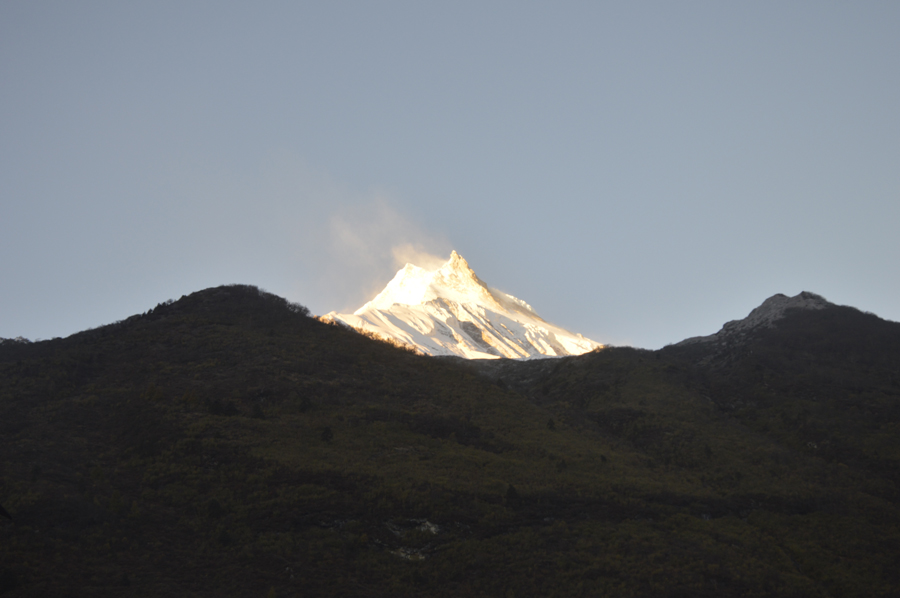
Step into the realm of adventure and exploration as you venture beyond the well-trodden paths of Nepal’s famous trekking routes. The Manaslu Circuit, Langtang Valley, and Upper Mustang beckon with their untamed beauty and promise of unforgettable experiences. Embark on the Manaslu Circuit trek to traverse rugged terrain adorned with pristine forests, roaring rivers, and cascading waterfalls.
Manaslu Larke Pass Trekking
Marvel at the towering peaks of the Langtang Valley, where the sacred glaciers of the Himalayas glisten in the sunlight, and encounter the Tamang and Sherpa communities, renowned for their hospitality and rich cultural heritage.
For an exhilarating escape into the digital realm, immerse yourself in the thrilling world of online gaming platforms like Vulkan Bet. Journey to the remote kingdom of Upper Mustang, where ancient traditions and Tibetan Buddhism intertwine amidst the stark beauty of the Mustang Valley. These lesser-known routes offer a glimpse into Nepal’s diverse landscapes and allow travelers to forge a deeper connection with the land and its people.
Cultural Encounters on Foot:
Immerse yourself in the cultural tapestry of Nepal as you traverse off-the-beaten-path trails that lead to hidden monasteries, nomadic settlements, and vibrant festivals. Explore remote monasteries like Tengboche, where the chanting of monks fills the air with a sense of serenity, or Tsum Valley, known as the “hidden valley of happiness,” where ancient Buddhist traditions thrive amidst dramatic mountain scenery.
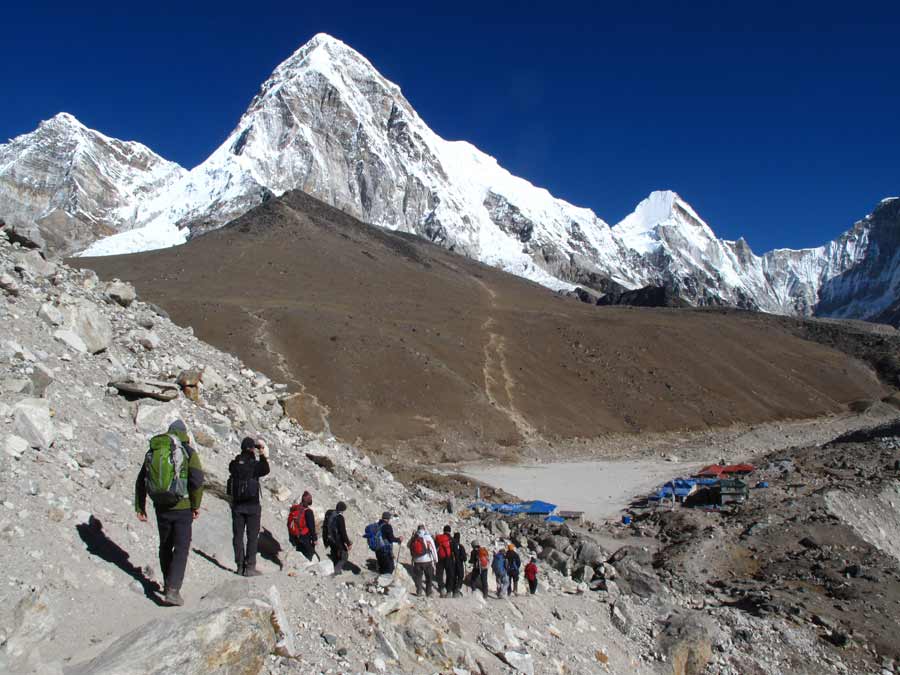
Tenzing Hillary Everest Marathon
Encounter nomadic herders as you trek through the sacred landscapes of Dolpo, where the Bonpo culture reigns supreme and yaks roam freely across the rugged terrain. Experience the magic of traditional festivals like the Mani Rimdu in the Everest region, where masked dancers perform ancient rituals to appease the gods and ward off evil spirits.
These cultural encounters offer a glimpse into a world untouched by time, where ancient customs and beliefs continue to shape the lives of those who call the Himalayas home.
Trekking Route
Main Attractions
Duration
Difficulty
Manaslu Circuit
Pristine forests, roaring rivers, Tamang and Sherpa communities
14-16 days
Challenging
Langtang Valley
Sacred glaciers, Tamang and Sherpa communities
10-12 days
Moderate
Upper Mustang
Ancient traditions, Tibetan Buddhism, stark beauty
12-14 days
Moderate
Hidden Temples and Shrines
Unveiling Nepal’s Spiritual Treasures:
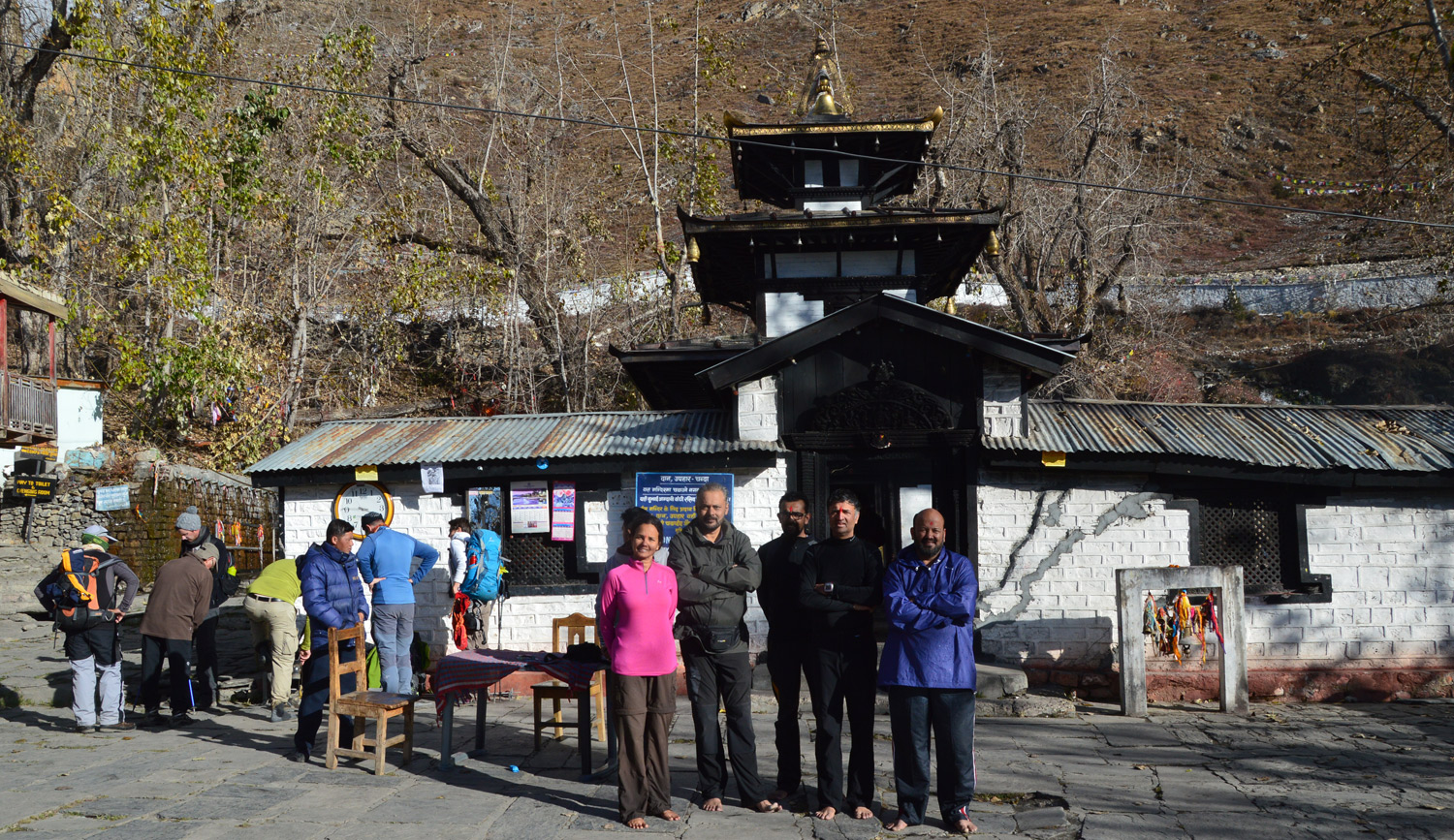
Embark on a mystical journey to uncover the hidden gems of Nepal’s spiritual landscape, where ancient temples and monasteries hold secrets waiting to be revealed. From the majestic Tengboche Monastery, perched high in the Himalayas, to the sacred Muktinath Temple, nestled in the remote Mustang region, each site boasts unique architectural marvels and profound spiritual significance. Muktinath Tour Package
Explore the Swyambhunath Stupa, also known as the Monkey Temple, where the eyes of the Buddha watch over the Kathmandu Valley, offering solace and serenity to all who visit. These spiritual sanctuaries serve as oases of tranquility, inviting travelers to connect with their inner selves and experience the profound wisdom that permeates the air.
Embarking on a Sacred Journey:
Prepare to embark on a transformative pilgrimage to the remote shrines and sacred sites that dot the Nepalese countryside. Journey to Tansen’s Palpa Bhairab Temple, where the fierce deity Bhairab stands guard, protecting the town from harm and evil spirits.
Ascend to the heights of Gorkha’s Manakamana Temple, where devotees come to seek blessings and fulfill their deepest desires. Explore the ancient Shey Gompa in Dolpo, where the echoes of ancient legends and rituals reverberate through the tranquil surroundings, offering a glimpse into Nepal’s rich spiritual heritage.
These sacred sites offer not only a chance to delve into ancient traditions but also an opportunity for personal reflection and spiritual growth amidst the serene beauty of nature.
Alternative Adventure Activities
Unraveling Thrills Beyond Trekking:
Prepare to embark on an extraordinary adventure beyond the conventional paths, exploring alternative activities that offer a fresh perspective on Nepal’s breathtaking landscapes. Feel the exhilaration of soaring through the skies as you paraglide over the tranquil waters of Pokhara’s Phewa Lake, where panoramic views of the surrounding mountains create an unforgettable experience.
Challenge your limits with a thrilling rock climbing expedition amidst the untamed wilderness of Nagarjun Forest, where rugged cliffs and dense foliage provide the ultimate adrenaline rush for outdoor enthusiasts. Alternatively, immerse yourself in the serenity of nature as you navigate the gentle currents of the Karnali River on a bamboo rafting excursion, offering a unique way to explore the natural wonders of Nepal.
Exploring Extreme Sports Hotspots:
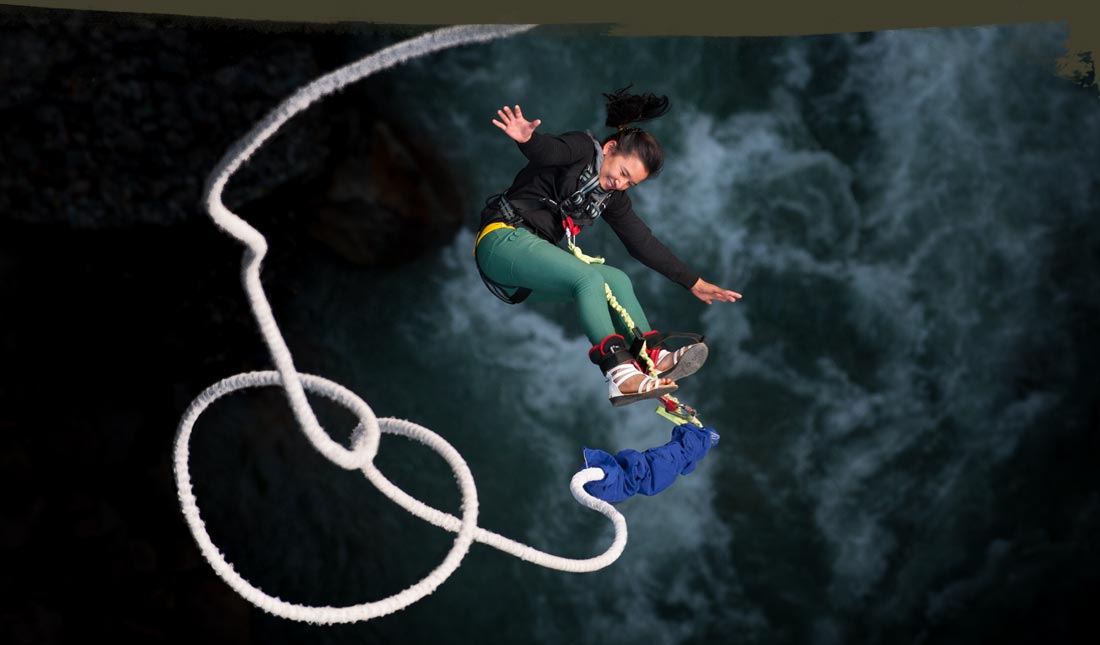
Dive into the heart of adventure in emerging hotspots such as Pokhara, Bandipur, and Bardiya National Park, where a myriad of outdoor pursuits await under the guidance of experienced instructors. Pokhara, known as the adventure capital of Nepal, offers an array of activities including paragliding, zip-lining, and bungee jumping, set against the backdrop of the majestic Himalayas. Nepal Adventure Activities
Bandipur, with its quaint charm and picturesque scenery, provides the perfect setting for mountain biking, hiking, and paragliding adventures amidst the tranquil countryside. Meanwhile, Bardiya National Park beckons with thrilling wildlife safaris, river rafting expeditions, and jungle treks, offering an immersive experience amidst the untouched wilderness of Nepal.
Activity
Location
Highlights
Difficulty
Paragliding
Pokhara
Breathtaking views, Himalayan backdrop
Moderate
Rock Climbing
Nagarjun Forest
Rugged terrain, challenging routes
Difficult
Bamboo Rafting
Karnali River
Scenic beauty, tranquil waters
Easy
Local Culinary Scene
Indulge in Culinary Adventures:
Nepal’s culinary landscape is a treasure trove of flavors waiting to be explored. From the tantalizing aromas of Newari delicacies like momos (dumplings) and chatamari (rice crepes) to the hearty comfort of Thakali specialties such as dal bhat (lentil soup with rice) and buckwheat pancakes, each dish tells a story of tradition and culture.
Venture into hidden eateries tucked away in narrow alleyways and bustling street food stalls teeming with locals, where you can dive into the heart of Nepalese cuisine and savor the authentic flavors that define the country’s culinary identity.
Culinary Experiences:
Immerse yourself in Nepal’s rich gastronomic heritage with a variety of culinary experiences that offer a deeper insight into the local way of life. Enroll in cooking classes led by skilled chefs to learn the art of crafting traditional dishes using locally sourced ingredients and time-honored techniques.
Embark on food tours guided by passionate food enthusiasts, wandering through vibrant markets and historic neighborhoods to sample a diverse array of street food and regional specialties. For a truly unforgettable experience, opt for farm-to-table adventures where you can harvest fresh produce from organic farms, participate in cooking demonstrations, and dine on freshly prepared meals in the picturesque settings of rural Nepal, all while supporting sustainable agriculture and local communities.
Ending Notes
Embracing the Journey:
As we bid farewell to our expedition through the hidden gems of Nepal, we are reminded that true adventure lies not in the destination, but in the journey itself. Venturing off the beaten path opens doors to a exciting world of enchantment and discovery, where each winding trail leads to new horizons and unforeseen treasures.
In Nepal, the allure of off-the-beaten-path travel beckons intrepid explorers with promises of enriching encounters, breathtaking landscapes, and immersive cultural experiences. Beyond the confines of tourist hotspots, hidden villages and remote temples reveal the soul of a nation steeped in tradition and heritage. It is here, amidst the rugged beauty of the Himalayas and the warm hospitality of local communities, that travelers find solace and inspiration, forging connections that transcend language and borders.
As we reflect on our journey, let us remember that the true magic of travel lies in embracing the unknown, embracing the journey, and embracing the extraordinary experiences that await those willing to explore beyond the tourist trail.
FAQ
1. What sets off-the-beaten-path travel experiences in Nepal apart?
Off-the-beaten-path travel experiences in Nepal offer a distinctive journey away from mainstream tourist destinations. These experiences allow travelers to uncover hidden treasures, immerse themselves in local cultures, and witness breathtaking landscapes that are often overlooked by conventional tourism.
2. Why should I opt for off-the-beaten-path travel in Nepal?
Choosing off-the-beaten-path travel in Nepal provides an opportunity to escape the crowds and delve deeper into the country’s authentic charm. It offers a chance to engage with local communities, experience genuine cultural immersion, and explore lesser-known destinations that hold their own unique allure.
3. Is off-the-beaten-path travel safe in Nepal?
While off-the-beaten-path travel in Nepal may involve rugged terrain and limited infrastructure, it can be safe with proper preparation and precautions. Travelers are advised to stay informed about local conditions, travel with experienced guides if necessary, and exercise caution in remote areas to ensure a secure and enjoyable journey.
4. What hidden gems can I uncover in Nepal?
Nepal boasts a myriad of hidden gems waiting to be discovered. From remote mountain villages and off-the-grid trekking trails to secluded monasteries and ancient temples, there are endless opportunities for exploration and cultural enrichment. Venturing off the beaten path allows travelers to uncover hidden treasures and experience the authentic essence of Nepal.
5. How can I support local communities during off-the-beaten-path travel in Nepal?
Supporting local communities during off-the-beaten-path travel in Nepal is crucial for sustainable tourism. Travelers can contribute by patronizing locally-owned businesses, participating in community-based initiatives, and respecting local customs and traditions. Engaging in responsible tourism practices helps empower local communities and preserves Nepal’s cultural heritage.
6. What essentials should I pack for an off-the-beaten-path adventure in Nepal?
When embarking on an off-the-beaten-path adventure in Nepal, it’s important to pack essential items such as sturdy footwear, weather-appropriate clothing, a first-aid kit, and ample water and snacks. Additionally, carrying navigation tools, a flashlight, sunscreen, and insect repellent can enhance comfort and safety while exploring remote areas.
7. How can I discover off-the-beaten-path experiences in Nepal?
Finding off-the-beaten-path experiences in Nepal requires a spirit of exploration and adventure. Travelers can seek recommendations from locals, experienced guides, and fellow travelers, as well as utilize online resources such as travel forums, blogs, and social media platforms to uncover hidden gems and unique experiences off the tourist trail.
The legendary Annapurna region is the most diverse and popular trekking area in Nepal. From the full three-week Annapurna Circuit, which stretches into the historic Mustang region to short three-day treks, there's a trek suitable for everyone here. Annapurna trek is one of the best trekking destinations in Nepal. The Annapurna region is a traveler’s favorite because of the natural and cultural beauty it serves. Annapurna range welcomes trekkers all year around as it is all seasons approved. Usually trekkers opt to trek during the autumn season. It is understandable because of the dry climate, clear skies and spectacular views. It is amazing to opt during spring. Here, Nepal Tour provide you Top 5 best Annapurna treks in Spring. These treks are bound to make your memories and pictures as bright and fresh as ever. When can I treks Annapurna June through September is the monsoon season, when as much as 70% of the annual rainfall occurs. This is also when rock fall and landslides are most likely to occur. That leaves two times when hiking the Annapurna Circuit is best: October through November and mid-March to mid-April. Annapurna Trek Difficulty The Annapurna trek is considered to be a moderate trek. It doesn’t involve technical climbing but it’s good to have some hiking experience. The Annapurna trek will go through different terrain and the roads will change. You may encounter jeep roads that get muddy after a rainfall, rock steps, steep ascents and descents full of loose rocks, and creeks crossing the trail in the most unexpected places just to name a few. The higher you climb, the harder the trek will become due to the altitude, so take some rest when needed and remember to acclimatize properly (max. 400m in altitude per day). Is Annapurna Trek are risk There
The legendary Annapurna region is the most diverse and popular trekking area in Nepal. From the full three-week Annapurna Circuit, which stretches into the historic Mustang region to short three-day treks, there’s a trek suitable for everyone here.
Annapurna trek is one of the best trekking destinations in Nepal. The Annapurna region is a traveler’s favorite because of the natural and cultural beauty it serves. Annapurna range welcomes trekkers all year around as it is all seasons approved. Usually trekkers opt to trek during the autumn season.
It is understandable because of the dry climate, clear skies and spectacular views. It is amazing to opt during spring. Here,Nepal Tour provide you Top 5 best Annapurna treks in Spring. These treks are bound to make your memories and pictures as bright and fresh as ever.
When can I treks Annapurna
June through September is the monsoon season, when as much as 70% of the annual rainfall occurs. This is also when rock fall and landslides are most likely to occur. That leaves two times when hiking the Annapurna Circuit is best: October through November and mid-March to mid-April.
Annapurna Trek Difficulty
The Annapurna trek is considered to be a moderate trek. It doesn’t involve technical climbing but it’s good to have some hiking experience. The Annapurna trek will go through different terrain and the roads will change.
You may encounter jeep roads that get muddy after a rainfall, rock steps, steep ascents and descents full of loose rocks, and creeks crossing the trail in the most unexpected places just to name a few. The higher you climb, the harder the trek will become due to the altitude, so take some rest when needed and remember to acclimatize properly (max. 400m in altitude per day).
Is Annapurna Trek are risk
There is a risk since you will be hiking above 3000m. Different people react to altitude in different ways, no matter their fitness level or experience in the mountains. That’s why you should learn and understand what altitude sickness is and what the symptoms are beforehand.
You can ask your local travel medicine specialist, search online or attend one of the lectures organized in Kathmandu. There’s also an option to attend the high altitude sickness lecture in Manang organized by the Himalayan Rescue Association.
What is the lodging facility in Annapurna Trek
The whole Annapurna region has a teahouse facility, which means there are guesthouses in almost every village. Some are better than others, but generally rooms are basic and come with shared bathrooms. Blankets are provided but it’s a good idea to bring your own sleeping bag as it gets chilly in the higher levels and there are no heating systems inside the buildings.
Usually you will have to dine at your lodge in order to get a room. Some places may offer hot gas showers for an additional fee, so take advantage of that while you can because above Manang you won’t get the chance to shower at all until you reach Muktinath, on the other side of the pass.
Annapurna Trekking Permits
Trekkers Information Management System (TIMS).
TIMS or Trekkers Information Management System is a must for every trekker wishing to trek in Nepal. This is a basic permit implemented jointly by Nepal Tourism Board (NTB). Trekking Agencies Association of Nepal (TAAN) to ensure the safety and security of every trekker wishing to trek in Nepal.
The cost for TIMS per person is as follows:
SAARC nationals: NPR 600, about $6
All other nationals: NPR 2000, about $20
Annapurna Conservation Area Entry Permit
The Annapurna region was gazette a conservation area by the government of Nepal in 1992 and is the largest protected area in Nepal. Every trekker wishing to trek in the Annapurna region needs to purchase ANCAP or Annapurna Conservation Area Entry Permit.
The Annapurna Conservation area is located across Manang, Myagdi, Lamjung, Mustang districts of Nepal. It was established with the aim of creating a sustainable economic and social development to benefit the local people of the region. It is managed by the National Trust for Nature Conservation.
ACAP Cost:
The per person cost for entering the Annapurna Conservation Area or ACAP for a foreign trekker is as follows:
SAARC nationals: NPR 200, about $2
ALL other nationals: NPR 3000, about $30
Top 5 best Annapurna treks in Spring
Annapurna Circuit Trek – 16 Days
The Annapurna Circuit is a trek within the mountain ranges of central Nepal. The total length of the route varies between 160–230 km, depending on where motor transportation is used and where the trek is ended. This trek crosses two different river valleys and encircles the Annapurna Massif. The Annapurna Circuit is considered moderately difficult. A good level of fitness is required, as you will be walking long distances each day for two consecutive weeks. The toughest part of the circuit is going from Thorong Phedi to Thorong La pass (5,416m). There is a steep 45 minute climb at this altitude, which will take the breath out of you.
The Annapurna Circuit trek is as challenging as it is beautiful. It is arguably still one of the best treks in the world which sees tens of thousands of people undertake it each year. If you open yourself to this experience, you will not be disappointed. The views are worth it though!.
Annapurna Base Camp (ABC) Trek is one of the most popular treks in Nepal. It is quite easy and shorter trek than other high altitude treks in Nepal. This trek incorporates diverse terrain, culture, and wildlife. Along with the most spectacular and close up view of Annapurna range, Machhapuchhre, Hiunchuli, and Dhaulagiri.
In Spring, it showcases many beautiful flowers including the national flower of Nepal.. Rhododendron. Orchids, Machhapuchhre massif and the deepest gorge Kali Gandaki accompanies you during the trek.
You will spot at times high cascading waterfalls. And, you will get to learn about people of different ethnicity, especially Gurung people when visiting the Ghandruk museum.
Depending on which route you take, you may not pass through Ghandruk though. The trail is the same from Chomrung onwards but you can choose to include or not include Ghorepani Poon Hill and Ghandruk. Poon hill is a vantage point for the view of Annapurna plus other peaks and for sunrise and sunset.
Other highlights of this trek are the hot springs! Very relaxing and healing for your aching muscles.
The Ghorepani Poon Hill trek is perhaps the ultimate short trek in the Himalayas! Suitable for people of all ages, particularly good for families with children, this trek can be 4 or 5 days in length and still gets into the heart of the Annapurna. Poon Hill (3,210m) is the ultimate viewing point for the Annapurna range, Dhaulagiri, Nilgiri, Tukuche, Varaha Shikhar, and Lamjung Himal. Hiking up to Poon Hill to watch the sunrise over these stunning snow covered mountains is something to be treasured. This trek also includes hiking through colourful villages and rhododendron forests, with the backdrop of the Annapurna always present.
Even for experienced trekkers, this is a great introduction to the Himalayas, especially if time is short. Accommodation along this established route is very comfortable and the menus are not disappointing. And of course the mountains never disappoint either in their fully photogenic beauty!.
Mardi Himal trek was accessed only by limited trekking groups with tents and catering team for long time. The trek follows beaten trails of shepherds as it still provides summer grazing. The trek was officially opened in 2012 and is still pristine. There are limited teahouses with basic facilities. This is a short relatively easy and unspoiled trek not far from Pokhara. Yet it is highly diverse with cultural insight, beautiful forest walks and alpine landscape. As the trail mostly stays along the ridge, the altitude gain becomes more gradual.
Mardi Himal Trek can be one of the magnificent treks for any trekkers. You will get a marvelous outlook of Mt. Macchapuchre, Mt. Annapurna and Mt. Hiunchuli. Fragrant and colorful Rhododendron forest will steal your heart. You will get a great chance to know socio-cultural values and lifestyle of Magar and Gurung community. This trek is suitable for both solo trekker and group trekkers. You will appreciate the fascinating view of the Annapurna range. During the trek, the astonishing sunrise and sunset views are outstanding.
Alternative trekking trail for short time visitors around Pokhara the Khopra Danda Trek is perfect massive view trails in Annapurna region. The week long trek to little off the beaten route with perfect vistas of white peaks and green hills would be best choice.
The Khopra Ridge trek presents what Nepal has to offer including eye-catching peaks, rice fields and cultural villages along the route. Having great trek just few people know about this trail in Annapurna. Starting your trip from Pokhar and passing best view point of Annapurna ‘Poon Hill’ via front face of Mt Annapurna South (7219m) the trek decends to Magar community village called Narchyang and leads to Natural Hot spring spot in Tatopani. The less touristy Khopra ridge community trekking through nature walk along with Rhododendron forests and if you walking on March, April and may months the Rhododendron flowers blossoms and makes your walk fruitful and panoramic. You will be observing dozens of snow-covered peaks which located in Annapurna region.
The best part of the trek is also to gain knowledge cultural Magar ethnic group of Nepal, ending your trek with natural bath at Tatopani and drive out to Pokhara.
Indians often finalise on Nepal as their vacation destination, owing to numerous reasons. While it is abroad, it is one of the closest of neighbours to India. Additionally, vacations in Nepal are not too costly, contributing as one of the primary reasons for the country being a popular choice for Indian travellers.
With many Indians choosing to visit Nepal, it is important that relevant visa requirements are understood properly before planning the vacation. Furthermore, it is also important to have a fair knowledge of the Nepal immigration rules for India, especially since it is unique from that of other countries.
Do Indians Need a Visa to Visit Nepal?
No, Indian passport holders do not require a visa to travel to Nepal. It is important to note that citizens from most other nations must have a visa to enter Nepal. This exception is only extended to Indian citizens.
However, Indians are required to carry proper credentials issued by the Government of India, the Election Commission of India, etc.
Is Visa on Arrival/e-Visa Available in Nepal for Indians?
No, since Indian travellers do not require a visa to travel to Nepal, the need for a visa on arrival or E-visa also becomes redundant.
Indians can simply travel to Nepal with their passport or other applicable documents which are mentioned later in this article to gain entry to the country, be it the immigration centre at Kathmandu airport or elsewhere.
Do Indian Travellers Need to Possess a Passport to Visit Nepal?
Yes, it is vital for Indians travelling to Nepal to carry their valid passports. However, tourists who do not possess their passport for Nepal from India can produce a few other documents in its stead to enter the country. These documents are mentioned later in this article.
Documents Required for Indian Citizens to Enter Nepal
While Nepal visa requirements for Indian citizens is redundant, the undermentioned documents must be carried by Indians to gain entry.
Any photo-identity proof issued by Central/State/UT authorities.
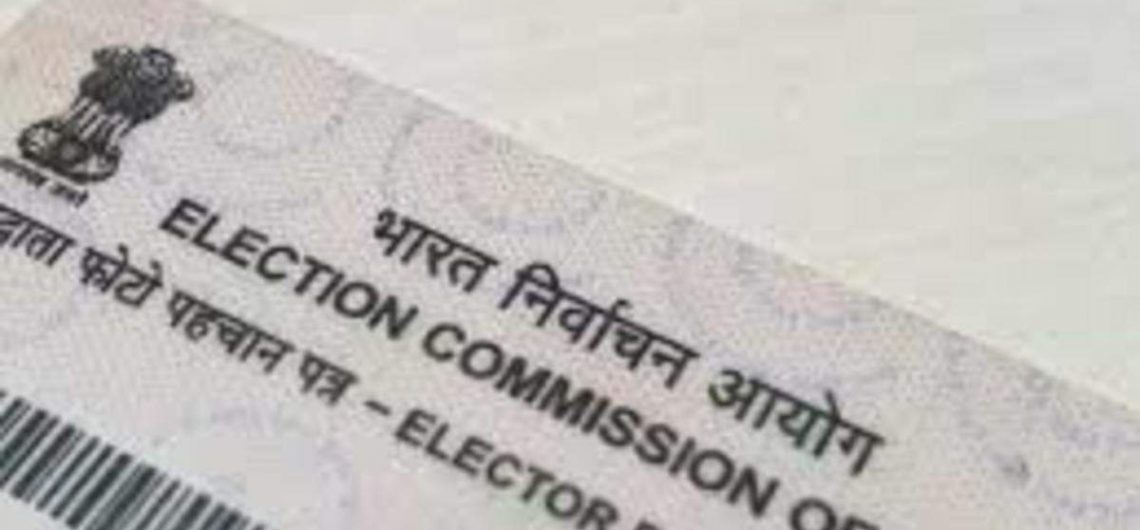
A voter ID card issued by the Election Commission of India.
Emergency Certificate issued by the Indian Embassy in Kathmandu.
The following Nepal entry requirements for Indian citizens should also be noted carefully.
Indians aged above 65 years or below 15 years can enter Nepal by producing a photo-identity proof like PAN card, driving license, ration card, etc.
Indians between the age group of 15 and 18 years can enter Nepal using their Identity Certificate issued by the principal of their academic institution.
What are the Documents Required if You Enter by Road?
Indian citizens entering Nepal by road with their own vehicle need to submit the following documents, along with their proof of citizenship, at the Nepal border:
Planning to Nepal? Everyone needs a visa (except Indian nationals), but luckily it’s an easy process. Here’s the latest information on obtaining a tourist visa and how it works for visa-on-arrival. Once you land at the Tribhuvan International Airport, you can get the visa on arrival. Following certain regulations and formalities, you can get a visa for Nepal (90 days) in less than an hour. Documents You Need for visa Check your Passport. Make sure that your passport is valid for six months within arrival in Nepal. Passport Photos. You only need a single photo for your visa application, but you’ll need a lot of them if you plan to go trekking and do other activities in Nepal. Keep your passport-size photos in person for accessibility. There are also photo booths at the airport in case you forget to bring. Keep at least 4 copies of your passport-size photos. Nepal visa photo size is not specified so just bring the regular passport size photo that you use in your country. Immigration Papers (Arrival card). Typically, you will get the immigration papers while on the plane before you land. Make sure to fill out these forms right away to pass immigration upon arriving. Tourist Visa. All foreigners entering Nepal, except Indians, require a visa. You can acquire a visa from the Nepali embassy in your country or upon arrival at the airport. Tourists visas are valid for 3-6 months within your travel to Nepal. Single entry visas are valid for 15/ 30 and 90 days which respectively costs $30, $50 and $125. You will get a multiple-entry visa. Visa Application Process at the Airport A lot of foreigners opt to get their Nepalese visa at the airport upon arrival. Bring your documents to the visa registration machines. Scan the barcode of
Planning to Nepal? Everyone needs a visa (except Indian nationals), but luckily it’s an easy process. Here’s the latest information on obtaining a tourist visa and how it works for visa-on-arrival. Once you land at the Tribhuvan International Airport, you can get the visa on arrival. Following certain regulations and formalities, you can get a visa for Nepal (90 days) in less than an hour.
Documents You Need for visa
Check your Passport.
Make sure that your passport is valid for six months within arrival in Nepal.
Passport Photos.
You only need a single photo for your visa application, but you’ll need a lot of them if you plan to go trekking and do other activities in Nepal. Keep your passport-size photos in person for accessibility. There are also photo booths at the airport in case you forget to bring. Keep at least 4 copies of your passport-size photos. Nepal visa photo size is not specified so just bring the regular passport size photo that you use in your country.
Immigration Papers (Arrival card).
Typically, you will get the immigration papers while on the plane before you land. Make sure to fill out these forms right away to pass immigration upon arriving.
Tourist Visa.
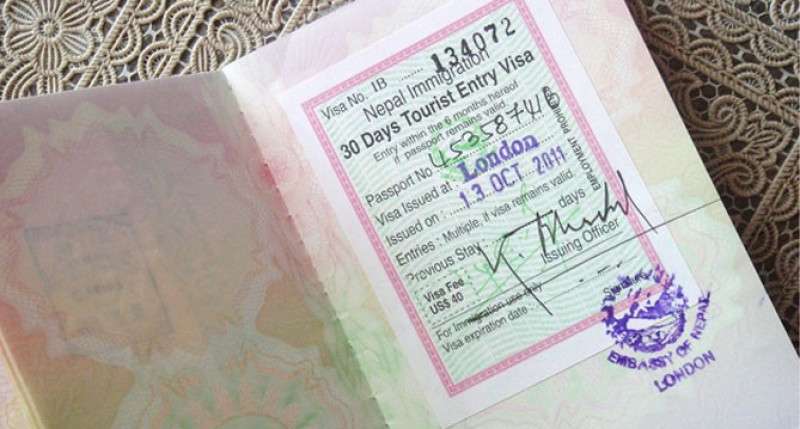
All foreigners entering Nepal, except Indians, require a visa. You can acquire a visa from the Nepali embassy in your country or upon arrival at the airport. Tourists visas are valid for 3-6 months within your travel to Nepal. Single entry visas are valid for 15/ 30 and 90 days which respectively costs $30, $50 and $125. You will get a multiple-entry visa.
Visa Application Process at the Airport
A lot of foreigners opt to get their Nepalese visa at the airport upon arrival. Bring your documents to the visa registration machines. Scan the barcode of your passport and take your photo. Get the slip of paper that the machine generates and bring this to the counter, along with the payment. Finally, have your passport stamped and get your visa.
Online Nepal Visa Application Form.
You can fill out the application form online at home before traveling to Nepal. You can visit this site to fill out your immigration papers: https://online.nepalimmigration.gov.np/tourist-visa and print the confirmation. You can submit the printed confirmation at the immigration desk. This is valid for 15 days only.
Extending Your Visa.
You can extend your Nepal visa for up to 150 days at the Immigration Department in Kathmandu or Pokhara. It costs $30 for 15 days and $2 per day after that. Usually, the turn-around is the same day, and you’ll need to submit your passport, extension fee, one photo, and the application extension form to complete the process.
Permits.
Many remote rural areas, especially those close to the Tibet border, require a restricted area permit. This applies to those trekking in the Manaslu, Mustang, Nar-Phu, Tsum Valley, Dolpo, Humla and Kanchenjunga regions. Permits range from US$10 to US$500 per week and you will need the help of a registered trekking agency to secure one.
Final Notes.
In the arrivals’ hall, you’ll find electronic registration machines that read your passport, take your photo, and print out a completed form to submit to immigration. Be sure to have the following items handy:
Cash to pay the visa fee (USD is best, especially at land crossings, but you can also pay with EUR, CHF, GBP, AUD, CAD, HKD, SGD, and JPY).
A passport that is valid for at least six months.
Please note that the following nationalities cannot obtain a visa-on-arrival:
AFG, IRQ, CMR, GHA, SOM, SWZ, PSE, ZWE, NGA, ETH, and LBR.
Asia has so many amazing parts to it - as well as the beauty of Nepal, there’s also the bright metropolis of Singapore, the ancient traditions of Japan, or the countryside of the Philippines. Each country offers a once-in-a-lifetime experience to reward visitors who go off the well-beaten tourist tracks of these places. Here’s how you can do that in three of our best picks of Asia. Singapore - take a tour at night This small country encapsulates what modern Asia is all about: sleek, modern buildings, stunning structures and bright lights. When is it best to see the bright lights? At night, of course! Take a river cruise and see the city from the water, or explore the Marina Bay area - which really comes alive once the sun sets. If there’s one place you go to after dark, though, it’s the Gardens by the Bay. This is where you can stare up in awe at the Supertree Grove with its beautiful plants and light displays, then wander through the calming gardens after a day of sightseeing. You can maybe pop in to the Flower Dome for its continuous spring-like conditions that present visitors with bright blooms. Japan - make traditional foods If you think of Japan, you may have an image of buzzing cities, something kawaii or even the beautiful cherry blossoms in spring. Great though those images may be, you just can’t take that feeling back home with you when your trip comes to an end. What if you could? Nothing gets our memories going more than a smell or taste of a meal that we’ve had before. It takes us back to that time and place, so going for a cooking class means you can try and recreate the experience when you’re back home. You can
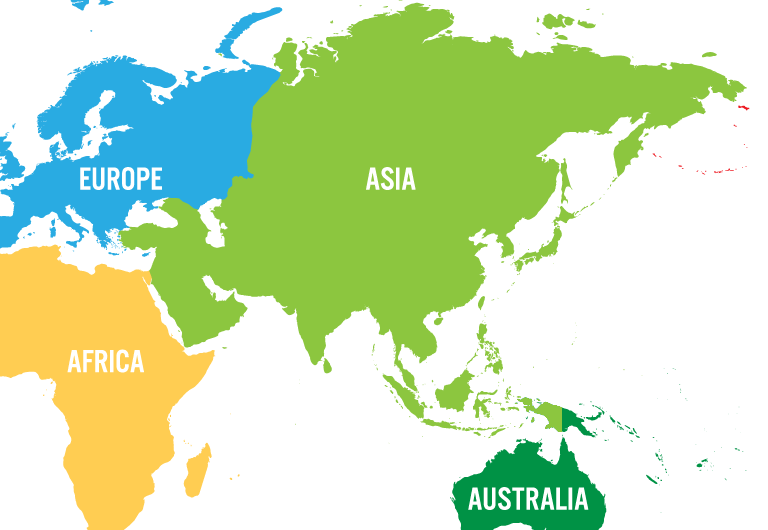
Asia has so many amazing parts to it – as well as the beauty of Nepal, there’s also the bright metropolis of Singapore, the ancient traditions of Japan, or the countryside of the Philippines. Each country offers a once-in-a-lifetime experience to reward visitors who go off the well-beaten tourist tracks of these places. Here’s how you can do that in three of our best picks of Asia.
Singapore – take a tour at night
This small country encapsulates what modern Asia is all about: sleek, modern buildings, stunning structures and bright lights. When is it best to see the bright lights? At night, of course!
Take a river cruise and see the city from the water, or explore the Marina Bay area – which really comes alive once the sun sets. If there’s one place you go to after dark, though, it’s the Gardens by the Bay.
This is where you can stare up in awe at the Supertree Grove with its beautiful plants and light displays, then wander through the calming gardens after a day of sightseeing. You can maybe pop in to the Flower Dome for its continuous spring-like conditions that present visitors with bright blooms.
Japan – make traditional foods
If you think of Japan, you may have an image of buzzing cities, something kawaii or even the beautiful cherry blossoms in spring. Great though those images may be, you just can’t take that feeling back home with you when your trip comes to an end. What if you could?
Nothing gets our memories going more than a smell or taste of a meal that we’ve had before. It takes us back to that time and place, so going for a cooking class means you can try and recreate the experience when you’re back home. You can also get to learn more about the traditional Japanese culture through making your food and from your host.
You can book classes to make any of the local delicacies, from sushi to noodles to gyoza (dumplings). They can be booked in most of the larger, popular tourist towns and cities of Japan.
Philippines – see the rainforest
The capital city, Manila, can get hot and busy so it might not be for everyone at first, but it’s worth the trip because it’s a fantastic base to explore this gorgeous country.
One must-do experience is to visit the Masungi Georeserve. It’s just over an hour’s drive from Manila, but the views you get when you arrive (and on the road journey there) are more than worth it.
Make sure you take a sturdy pair of boots when you go; there are rope courses on the main trail, as well as a hanging bridge, and the terrain is not for the faint-hearted. Yet the adventure of trekking through this rainforest, and the reward you’ll get as you reach the summit of each peak and obstacle, will give you memories that will stay with you for a lifetime.
Nepal, officially Federal Democratic Republic of Nepal, is a landlocked country in South Asia. It is located mainly in the Himalayas, but also includes parts of the Indo-Gangetic Plain. With an estimated population of 26.4 million, it is 48th largest country by population and 93rd largest country by area. Sandwiched between China and India, Nepal is one of the most fascinating places to visit on earth. Before you set foot on the hiking trails or tours the streets of Kathmandu. Every travellers think about how many days required to visit Nepal?. How many days will be sufficient in Nepal?. How many days should i spend in Kathmandu?. Here are the useful information before your travel to Nepal. Here are some suggested Nepal Itineraries, from one day to four weeks. How to Spend Day in Kathmandu How to Spend 1 day in Kathmandu is our most popular Package. It is the easiest and simple way to know Nepal and its culture in a day. Real Kathmandu Tour offers Mountain flights + Short Hiking + visit to UNESCO World Heritage sites in a one day tour. You will visit the oldest Hindu and Buddhist shrines and your day will end with a very nice dinner. If you wanted to go a little further afield and get some mountain views, follow this Kathmandu Day Tour, which includes Nagarkot Hiking, Bhaktapur, and Changu Narayan. How to Spend 2 Days in Kathmandu 2 Days in Kathmandu, who have a very short time and willing to visit most important monuments, this is a ideal way to do a guided city tour of Kathmandu valley with Patan & Bhaktapur. This cultural day tour gives you rich heritage of world heritages sites. The Kathmandu Valley is so full of historical, architectural, and religious treasures that you don't need
Nepal, officially Federal Democratic Republic of Nepal, is a landlocked country in South Asia. It is located mainly in the Himalayas, but also includes parts of the Indo-Gangetic Plain. With an estimated population of 26.4 million, it is 48th largest country by population and 93rd largest country by area. Sandwiched between China and India, Nepal is one of the most fascinating places to visit on earth. Before you set foot on the hiking trails or tours the streets of Kathmandu. Every travellers think about how many days required to visit Nepal?. How many days will be sufficient in Nepal?. How many days should i spend in Kathmandu?. Here are the useful information before your travel to Nepal. Here are some suggested Nepal Itineraries, from one day to four weeks.
How to Spend Day in Kathmandu
How to Spend 1 Day in Kathmandu
How to Spend 1 day in Kathmandu is our most popular Package. It is the easiest and simple way to know Nepal and its culture in a day. Real Kathmandu Tour offers Mountain flights + Short Hiking + visit to UNESCO World Heritage sites in a one day tour. You will visit the oldest Hindu and Buddhist shrines and your day will end with a very nice dinner.
If you wanted to go a little further afield and get some mountain views, follow this Kathmandu Day Tour, which includes Nagarkot Hiking, Bhaktapur, and Changu Narayan.
How to Spend 2 Days in Kathmandu
How to Spend 2 Days in Kathmandu
2 Days in Kathmandu, who have a very short time and willing to visit most important monuments, this is a ideal way to do a guided city tour of Kathmandu valley with Patan & Bhaktapur. This cultural day tour gives you rich heritage of world heritages sites.
The Kathmandu Valley is so full of historical, architectural, and religious treasures that you don’t need to leave to have a rich experience in Nepal. Spend first two days checking out the most famous sites of Kathmandu. The Kathmandu durbar square and Patan Durbar Squares, Swayambhunath Stupa, Pashupatinath Temple and Boudhanath Stupa.
This Kathmandu Itinerary 2 days prioritizes all aspects of Kathmandu at its best- Hindu and Buddhist culture mixed with historical monument manifesting artistic opulence of medieval Nepal.
If you wanted to go a little further afield and get some mountain views, follow this 2 Days in Kathmandu Tour, which includes 2 full day cultural tours.
How to Spend 3 Days In Kathmandu
How to Spend 3 Days In Kathmandu
Three days in Kathmandu is enough time to get a feel for the city and its culture. Visit UNESCO World Heritage sites, including sacred Hindu and Buddhist temples. Here are some great things to do in Kathmandu. Chisapani Nagarkot Trek is short and sweet trip for 3 days tea house trek to Chisapani and to Nagarkot if the tour is extended for another 2 days.
The trekking to Chispani Nagarkot offers beautiful nature and village walk experience, natural environment, stunning Himalayan views. Where you can see Manaslu, Ganesh Himal, Langtang Himal and even Mt. Everest in far distance.
For detailed itinerary suggestions, check out 3 Days in Kathmandu: 3 Days Kathmandu Itineraries, including a short trek
How to Spend 4 Days In Nepal
how to spend 4 days in Nepal
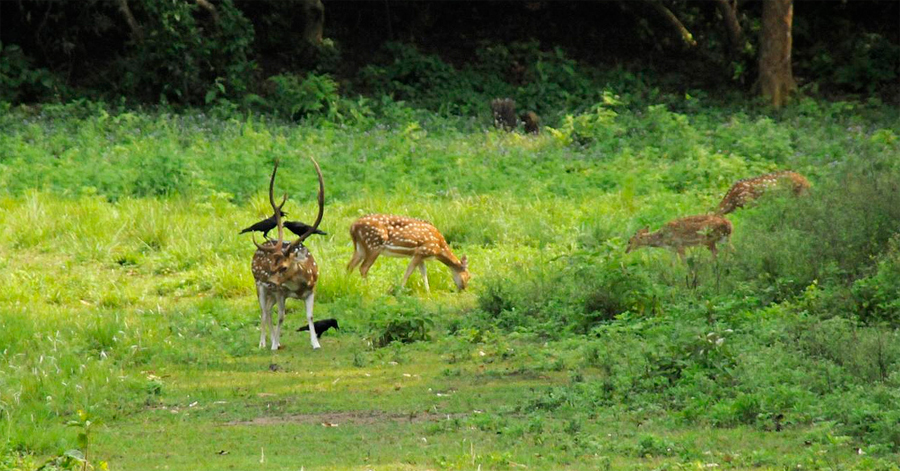
If you think how to spend 4 days in Nepal then go to Chitwan National Park. Chitwan jungle safari tour is one of most popular adventure tours for those who has dream to see wild animals, green forest. Chitwan National Park was declared UNESCO Natural Heritage Site in 1979. Chitwan national park is situated in southern central Nepal. Covering 932 sq.km covered with deciduous forests overlooking the floodplains of Narayani, Rapti and Reu rivers. The park headquarters at Kasara is 21 km drive from Bharatpur which is 20 minutes by air or 146 km by road from Kathmandu. In this park there are many Resorts hotels and lodge to accommodate. Chitwan wildlife safari tour fit for all age group travelers
For detailed itinerary suggestions, check out 4 Days in Nepal: 4 Days Nepal Itineraries, including a wildlife tours
How to Spend 5 Days In Nepal
5 Days in Nepal
If you think how to spend 5 days in Nepal then go to Kathmandu & Pokhara. Nepal is a country that has a lot of amazing attractions within a small area, and the diverse culture and landscape are enough to make you want to stay a lot longer than just 5 days. But if you are limited on time, then here are a few ideas for things that you can do to make the most of your short visit to one of the last Himalayan kingdoms. Pokhara is one of the cleanest and the most beautiful cities of Nepal. Also known as the city of Lakes, Pokhara offers the spectacular view of mountains, namely Annapurna, Mannchapuchhre, Manalsu, and Dhaulagiri. The places that you visit in Pokhara are David falls and Mahendra cave.
For detailed itinerary suggestions, check out 5 Days in Nepal: 5 Days Nepal Itineraries, including Kathmandu and Pokhara cities.
How to Spend 4 Days In Nepal
how to spend 4 days in Nepal
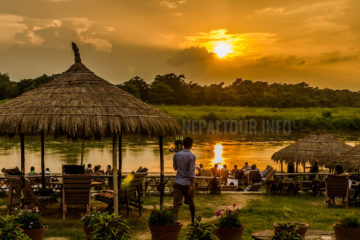
If you think how to spend 4 days in Nepal then go to Chitwan National Park. Chitwan jungle safari tour is one of most popular adventure tours for those who has dream to see wild animals, green forest. Chitwan National Park was declared UNESCO Natural Heritage Site in 1979. Chitwan national park is situated in southern central Nepal. Covering 932 sq.km covered with deciduous forests overlooking the floodplains of Narayani, Rapti and Reu rivers. The park headquarters at Kasara is 21 km drive from Bharatpur which is 20 minutes by air or 146 km by road from Kathmandu. In this park there are many Resorts hotels and lodge to accommodate. Chitwan wildlife safari tour fit for all age group travelers
For detailed itinerary suggestions, check out 4 Days in Nepal: 4 Days Nepal Itineraries, including a wildlife tours
How to Spend Luxury Day Trip in Kathmandu with Kids
Luxury Day trips from Kathmandu with Kids
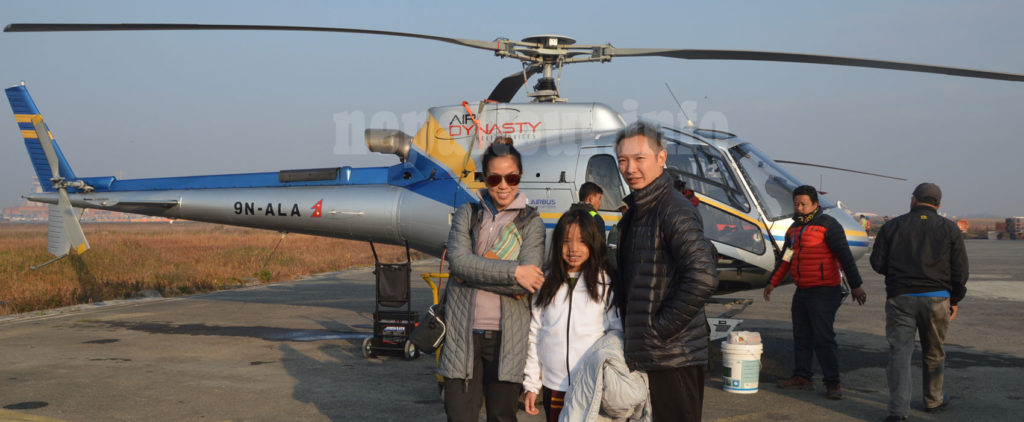
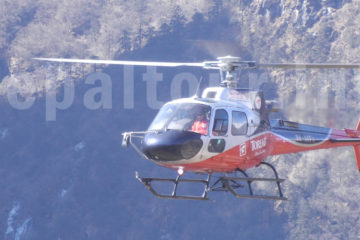
If you think how to spend luxury day trip with kids then go to helicopter ride. Everest helicopter charter offers one of the most pleasing and adventurous flight which also offers to land at high altitude. It is the most exciting and thrilling lifetime helicopter tour experience in Nepal with the front face of Mount Everest in a day. Helicopter Ride in Nepal can be your ideal choice as it provides the dream comes true moment for those who fantasize to explore different places with different attractions but are not able to do so in the precise period of time. In this Himalayan country, you can have different scenic flights for exploring beautiful mountain panorama, Himalayan glaciers, national parks, city areas, green hills, and many more mysterious and remote destinations with the help of these helicopters in Nepal.
For detailed itinerary suggestions, check out How to Spend Luxury Day Trip in Kathmandu with Kids: Day Tour of Everest Base Camp in Helicopter including Kalapathar landing.
The Ghorepani Poon Hill Trek is a hiking tour for 4-5 days in the Annapurna Mountain range located in Nepal. It actually needs a moderate level of fitness to complete this trek and the maximum elevation of this trek is 3,210 meters. Part of this trek is a natural trail that heads through the rhododendron forests with some rainforest-like flora all around. Other parts of this trek include stone staircases, which head from one village to another and therefore this route is used by both visitors and locals. The Poon Hill Trek is really popular as the costs are low, packing is easy and permits are also really easy to obtain. These are also the reasons why this mountain trail remains congested during the peak season. Best things about the Ghorepani Poon Hill Trek The trek is pleasant and it also follows a part of the earlier Trans-Himalayan Salt Trade Route. The views during the trek change from terraced rice fields, farms to gorges, waterfalls, and forests. There are also some amazing views of mountains along the way through clouds. The entire trek is hardly on the flat ground. Sunrise from the Poon Hill: The main highlight of this trek is the trip to Poon Hills. There at the elevation of 10,230 feet, one can get to see 360-degree views of the surrounding mountains. Besides, one can get to see the peaks like Annapurna, Tukuche, Dhaulagiri, Hiunchuli, Nilgiri, Gangapurna, Annapurna South and Macchapucchre or the Fish Tail from here. The views are amazing to justify the strenuous climb. Travel itinerary: Drive to Nayapul and hike to Tikhedhunga: The Ghorepani trek starts with a few minutes’ drive to Nayapul through a beautiful landscape. This route mainly follows a lush green jungle and terraced grasslands along the rushing river. During the trek,
The Ghorepani Poon Hill Trek is a hiking tour for 4-5 days in the Annapurna Mountain range located in Nepal. It actually needs a moderate level of fitness to complete this trek and the maximum elevation of this trek is 3,210 meters. Part of this trek is a natural trail that heads through the rhododendron forests with some rainforest-like flora all around. Other parts of this trek include stone staircases, which head from one village to another and therefore this route is used by both visitors and locals.
The Poon Hill Trek is really popular as the costs are low, packing is easy and permits are also really easy to obtain. These are also the reasons why this mountain trail remains congested during the peak season.
Best things about the Ghorepani Poon Hill Trek
The trek is pleasant and it also follows a part of the earlier Trans-Himalayan Salt Trade Route. The views during the trek change from terraced rice fields, farms to gorges, waterfalls, and forests. There are also some amazing views of mountains along the way through clouds. The entire trek is hardly on the flat ground.
Sunrise from the Poon Hill:
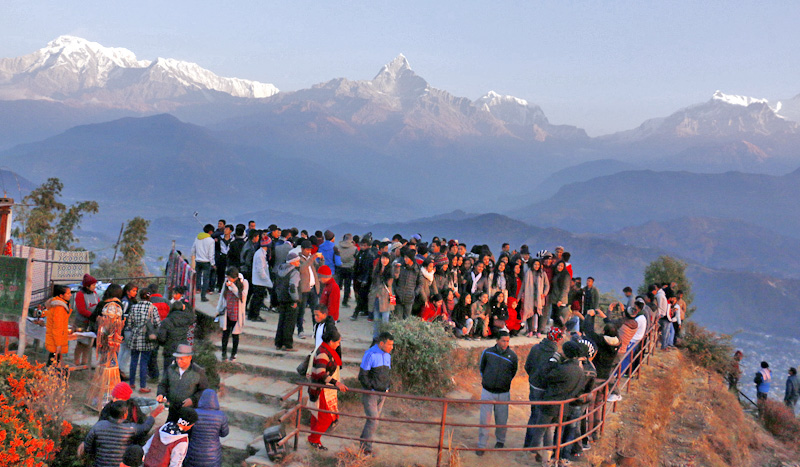
The main highlight of this trek is the trip to Poon Hills. There at the elevation of 10,230 feet, one can get to see 360-degree views of the surrounding mountains. Besides, one can get to see the peaks like Annapurna, Tukuche, Dhaulagiri, Hiunchuli, Nilgiri, Gangapurna, Annapurna South and Macchapucchre or the Fish Tail from here. The views are amazing to justify the strenuous climb.
Travel itinerary:
Drive to Nayapul and hike to Tikhedhunga: The Ghorepani trek starts with a few minutes’ drive to Nayapul through a beautiful landscape. This route mainly follows a lush green jungle and terraced grasslands along the rushing river. During the trek, the tourists have to walk through the Birethanti village (1,015m), therefore the north side of the Bhurung Khola and therefore up to the side area of the valley to Hille to reach Tikhedhunga at the height of 1570mm.
Trek to Ghorepani: This day mainly includes a sudden ascent. On this day, the tourists need to go across the Tikhedhunga Khola through a cable bridge, therefore go downward and then go across the Bhurung Khola. After that, they have to climb a steep and long chain of stone footsteps to Ulleri. On the way to Ulleri, travelers can enjoy an amazing view of the snow-white peaks of Hiunchuli, Annapurnas, and Machhapuchhare. After that, the tourists have to climb more gently to Nanghethani through the rhododendron forest. It takes another hour of time to reach Ghorepani . It is a beautiful settlement situated on the ridgeline.
On the next day, the tourists have to hike to the Poon Hill Viewpoint. From where they can enjoy a breathtaking view of sunrise. After watching the beautiful views, tourists can follow a wonderful forest trail through the oak and rhododendron woods to Deurali. Next, they have to climb through the steep woods for around twenty minutes to arrive at Tadapani.
Best time to go for Ghorepani Poon Hill Trek:
Although trekking is possible all around the year, every season has some different advantages as well as attractions. The temperature in this hill also depends on the basis of the altitude range- lower the temperature, higher the altitude.
December-February: These are the coldest times of the year and the temperature can often drop to -5°C at the higher altitudes. Despite being so cold, the sky remains really clear and the mountain views look the best. Because of the snowy weather, these months are not perfect for the beginner hikers, but the experienced hikers can continue.
April-May: The trekking season mainly starts from April and the route becomes more beautiful with full blossom rhododendron of different colors like white, pink and red. Although the temperature remains cool at this time, the temperature starts rising. The sky remains really clear at these months, therefore the tourists can enjoy a great view of the mountains.
September-October: This is the favorite time of trekking for the tourists due to the perfect climate and favorable weather condition. The sky remains really clear at these months, therefore the tourists can enjoy a great view of the mountains. These months are also the best time for the daytime trek. During this period, the weather also ranges from mild to warm.
November: This is another popular season of trekking with a sparkling and crisp sky. The daytime temperature of this month is most stable from cool to mild conditions. But the nights remain cold. Therefore, the travelers need to be a bit careful.
How many days does it take to complete the Ghorepani Poon Hill Trek?
For the fit and young hikers, 4 days are perfect for completing the Ghorepani Poon Hill Trek. Guides often split the entire route into some manageable chunks and also explain the highlights of this trail along the way. But for the hikers, who have any physical limitations or who are not acclimated to the altitude, completing the Ghorepani Poon Hill Trek in 5 days works as a smarter bet.
Why choose a Nepal Tours website for the Ghorepani Poon Hill Trek?
It is better to choose a Nepal Tour website for the Ghorepani Poon Hill Trek as this type of company mainly offers an adventurous, successful and memorable experience to all the hikers. With the devoted and excellent management team of this company, the main aim of this company is to offer a friendly, safe and sound environment where the hikers can enjoy their experience while being completely secured.
So, by choosing the company like “Nepal Tours”, you can get the best hiking experience while getting complete information about the cultures, tradition, flora and fauna and customs of the trekking area.
The Himalaya form Nepal’s backbone and provide a rugged backdrop to a variety of trekking options. Our specialists have spent much of their time exploring the region on foot and can advise on the best trails to follow depending on your ability and preferences. Our itinerary ideas are inspired by routes that we have particularly enjoyed and that showcase the true spirit of Nepal. These holiday suggestions also work as an informed starting point and can be used as a springboard for your own holidays ideas. Children of all ages, from babies to teenagers, will love the sights and activities of Nepal. It can be a chaotic and challenging country to travel around in some respects (the busy cities, the traffic, the long travel distances), but with good planning, you can have a best holidays ideas that will keep every member entertained. Here are some top picks. Best Tips & Local Advice Take domestic flights to save valuable time. The flights are scenic, too! If traveling during the monsoon (June to Aug), stick to the cities and cultural sites Trekking and water sports are best from March to May & September to November Focus on one region: although Nepal's a small country, poor roads & mountainous terrain can lead to longer travel times and unexpected delays Besides these classic tourist attractions, the Durbar Square in Patan, the grand Stupa in Boudhanath and the typical mountain life in Gorkha are equally sensational landmarks for those looking to discover the profound, typical and authentic aspects of Nepal. A trip to Kathmandu is the ideal opportunity to follow the trails of a tiger in Chitwan National Park as well as in Bardiya National Park. So, it's now up to you to decide which of these ideas will inspire your upcoming trip to Nepal!
The Himalaya form Nepal’s backbone and provide a rugged backdrop to a variety of trekking options. Our specialists have spent much of their time exploring the region on foot and can advise on the best trails to follow depending on your ability and preferences.
Our itinerary ideas are inspired by routes that we have particularly enjoyed and that showcase the true spirit of Nepal. These holiday suggestions also work as an informed starting point and can be used as a springboard for your own holidays ideas.
Children of all ages, from babies to teenagers, will love the sights and activities of Nepal. It can be a chaotic and challenging country to travel around in some respects (the busy cities, the traffic, the long travel distances), but with good planning, you can have a best holidays ideas that will keep every member entertained. Here are some top picks.
Best Tips & Local Advice
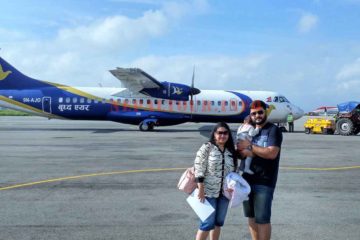
Take domestic flights to save valuable time. The flights are scenic, too!
If traveling during the monsoon (June to Aug), stick to the cities and cultural sites
Trekking and water sports are best from March to May & September to November
Focus on one region: although Nepal’s a small country, poor roads & mountainous terrain can lead to longer travel times and unexpected delays
Besides these classic tourist attractions, the Durbar Square in Patan, the grand Stupa in Boudhanath and the typical mountain life in Gorkha are equally sensational landmarks for those looking to discover the profound, typical and authentic aspects of Nepal. A trip to Kathmandu is the ideal opportunity to follow the trails of a tiger in Chitwan National Park as well as in Bardiya National Park.
So, it’s now up to you to decide which of these ideas will inspire your upcoming trip to Nepal!
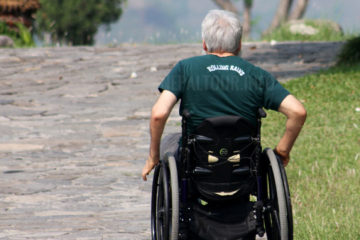
Do you require disabled holidays, wheelchair access, have difficulty walking long distances or need guaranteed-accessible accommodation?. Nepal Tours provide 100%
We use cookies to ensure that we give you the best experience on our website. If you continue to use this site we will assume that you are happy with it.